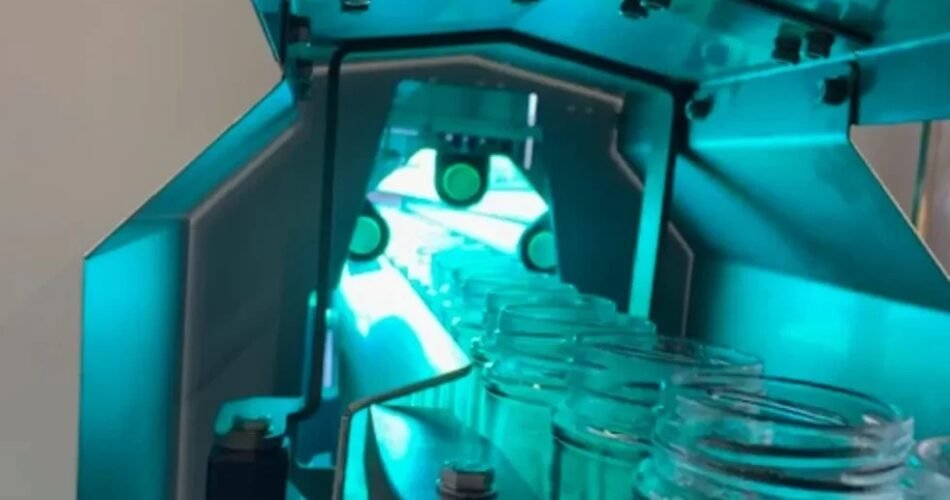
Choosing the right ultraviolet equipment requires more than simply selecting a lamp with a suitable output. Different applications have different flow rates, treatment goals, operating conditions, and maintenance requirements. Whether the equipment is intended for water treatment, air treatment, or another controlled environment, the system needs to deliver consistent ultraviolet exposure under real operating conditions.
A well-designed UV system can provide an effective additional treatment barrier without adding chemicals to the treated stream. However, performance depends heavily on equipment design, correct sizing, installation, monitoring, and maintenance. Before purchasing a system, it is therefore important to understand the features that can affect reliability and long-term performance.
1. Consider the UV Output and Dose
One of the first specifications to examine is the ultraviolet output produced by the equipment. A system should be selected according to the required treatment objective rather than simply choosing the highest-wattage lamp available.
UV performance is influenced by factors such as exposure time, flow rate, lamp output, water quality, and equipment design. For water applications, UV transmittance can also affect how effectively UV energy passes through the water.
The EPA notes that UV treatment systems may use operating parameters such as flow rate, UV intensity, and UV transmittance when monitoring or calculating delivered UV dose.
This makes correct system sizing particularly important. An undersized unit may not provide the required exposure, while an unnecessarily large system can increase energy and equipment costs.
2. Check Lamp Quality and Expected Service Life
The lamp is one of the most important components in any UV system. Its output can decline as operating hours increase, which means lamp replacement should be considered when purchasing equipment.
Look for systems that use reliable, application-appropriate UV lamps and provide clear information about expected lamp life. Replacement lamps should also be readily available so that routine servicing does not result in lengthy downtime.
The EPA’s UV guidance explains that lamp output decreases over time and recommends replacing lamps when performance falls below applicable operating requirements or when a lamp failure occurs.
It is also useful to check whether replacement lamps, ballasts, sleeves, and other components can be sourced easily from the supplier.
3. Look for Reliable Ballast Technology
The ballast controls the electrical power supplied to the UV lamp, making it an important part of overall system performance.
A quality ballast should provide stable lamp operation while incorporating suitable protection against electrical and operating problems. Depending on the equipment, useful features may include lamp-status indicators, fault detection, automatic shutdown, and temperature protection.
A reliable ballast can also make troubleshooting easier because operators can identify potential lamp or electrical problems more quickly.
When comparing systems, consider not only the initial equipment price but also the availability and cost of replacement ballasts and related electrical components.
4. Examine Monitoring and Control Features
Modern UV equipment can include monitoring systems designed to help operators understand how the unit is performing. Depending on the application, useful monitoring features may include UV intensity sensors, flow monitoring, lamp-status indicators, UV transmittance monitoring, temperature sensors, and alarm systems.
The EPA’s UV Treatment Toolkit identifies alarms for conditions such as low UV intensity, low UV transmittance, excessive flow, lamp or ballast failure, high temperature, and low validated UV dose as applicable control features.
For commercial or industrial installations, these features can be especially valuable. They can help operators identify issues before they develop into larger operational problems.
5. Pay Attention to Sleeve and Cleaning Design
In many water-treatment applications, the lamp is protected by a quartz sleeve. Keeping this surface clean is essential because deposits or fouling can reduce the amount of UV energy reaching the water.
The EPA identifies fouling of lamp sleeves and UV sensor surfaces as an important maintenance consideration and notes that cleaning frequency depends on factors such as water quality and the equipment used.
When buying equipment, check whether the system uses manual cleaning, automatic mechanical cleaning, or another suitable cleaning method.
A design that makes inspection and cleaning straightforward can save considerable time over the equipment’s service life.
6. Consider Safety Features
UV equipment should be designed with operator safety in mind. UV-C radiation can be harmful to eyes and skin, while UV systems may also involve electrical components operating at significant voltages.
Look for suitable housing, interlocks, protective covers, warning indicators, and electrical safety features. Equipment should also be installed and serviced according to the manufacturer’s instructions and applicable requirements.
The EPA guidance recommends disconnecting the main electrical supply before maintenance and following appropriate lockout/tagout procedures.
Safety should therefore be considered part of the equipment specification rather than an afterthought.
7. Evaluate Flow Rate and System Capacity
For water-treatment applications, flow rate is a major consideration. The UV unit must be capable of treating the required volume while providing the appropriate exposure conditions.
Before purchasing equipment, determine the normal operating flow rate as well as potential peak flow. Choosing equipment based only on average usage could result in inadequate treatment during periods of higher demand.
A supplier should be able to help match the equipment capacity to the application. Factors such as pipe size, pressure, water quality, and installation configuration may also need to be considered.
8. Check Installation and Maintenance Requirements
A UV system should not be judged solely by its purchase price. Installation requirements and ongoing maintenance can have a significant effect on the total cost of ownership.
Ask about access requirements for lamp replacement, cleaning procedures, electrical connections, replacement intervals, spare parts, and service support.
The EPA recommends site-specific operating and maintenance procedures covering areas such as startup, shutdown, monitoring, safety, preventative maintenance, troubleshooting, and spare parts.
Having these procedures clearly understood from the beginning can help keep the equipment operating consistently.
9. Choose a Supplier with Technical Support
A dependable supplier can make equipment selection and ongoing operation much easier. Look for a company that understands different UV applications and can provide guidance on system sizing, replacement components, installation considerations, and maintenance.
Ultra Violet Products provides UV-related products and solutions for applications where reliable ultraviolet technology is required. Working with an experienced supplier can help businesses select equipment that matches their specific operating conditions instead of relying solely on generic specifications.
It is also worth asking about warranty coverage, technical assistance, replacement lamps, ballasts, and other spare parts before making a purchase.
10. Think About Long-Term Operating Costs
The cheapest system to purchase is not necessarily the least expensive system to operate. Energy consumption, lamp replacement, cleaning, spare parts, servicing, and downtime can all contribute to long-term costs.
A better approach is to compare systems based on their expected operating requirements. Consider lamp efficiency, replacement intervals, maintenance accessibility, control features, and component availability.
A system that is easy to monitor and maintain can potentially provide more predictable operating costs over time.
Conclusion
Selecting the right equipment involves balancing performance, safety, reliability, maintenance, and long-term operating requirements. Features such as appropriate UV output, dependable lamps, quality ballasts, monitoring controls, effective cleaning arrangements, safety mechanisms, and suitable system capacity should all be considered before purchase. With the right equipment and maintenance approach, uv sterilization can become a practical part of a broader treatment strategy, and choosing a knowledgeable supplier such as Ultra Violet Products can help ensure the system is matched to the needs of the application.