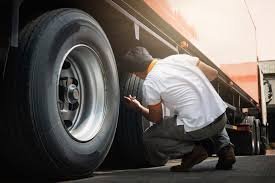
Maintaining regional fleets is always about finding that delicate balance. All trucks out there earn money, while every minute that is spent in the workshop reduces profits. Fuel costs, labor costs, unanticipated expenses related to repairs, and delays in delivery all add up rather quickly. For that reason, many experienced fleet managers are now trying to pay more attention to proactive fleet maintenance rather than reactive repairs.
This means performing regular inspections and maintenance to avoid bigger problems. Getting fleet maintenance services can help your regional fleet reduce downtime, decrease repair costs, and maintain driver schedules. Fleet maintenance solutions offered by Epika Fleet will be of great use to those who run commercial fleets.
Why Operating Costs Continue to Rise
Every fleet owner is aware that the costs associated with running a vehicle fleet are more than just fuel. In fact, the failure of one truck may cause a domino effect impacting deliveries, client satisfaction, overtime costs, and driver efficiency.
Some of the most substantial costs include:
- Roadside repair services
- Loss of business during vehicle downtime
- Increased fuel usage due to poor truck maintenance
- Tire replacements sooner than necessary
- Failure of equipment
- Repairs for compliance issues
- Driver delays and missed delivery deadlines
Many of these costs can be managed effectively with a preventive maintenance system.
The Difference Between Reactive and Proactive Maintenance
Reactive maintenance occurs when there is equipment failure. Although reactive maintenance may appear more cost-effective initially, in the end, it may result in a very high repair bill.
Proactive maintenance involves preventing equipment failure by conducting planned checks and services to identify minor problems before they destroy costly parts.
Such problems may include the following examples:
- Replacement of worn belts before breaking
- Correction of coolant leaks before overheating of engines
- Service of brakes before destroying rotors
- Rotation of tires before uneven wear affects their lifespan
These small maintenance considerations can prevent costly repairs.
Better Maintenance Means Lower Repair Bills
Major repairs don’t come out of nowhere. Most breakdowns start with smaller problems and then evolve into major problems.
A loose hose will result in a coolant leak.
A tiny oil leak will damage your engine parts.
Worn-out brake pads will ruin your rotors.
And ignoring these warning signs will end up with you paying a lot more for the repairs. Regular maintenance will allow mechanics to notice potential problems and fix them while they’re still easy and cheap. That’s why many local fleets work with maintenance companies like Epika Fleet.
Reduce Vehicle Downtime
Downtime represents one of the biggest hidden costs associated with fleet management.
In case one truck becomes unavailable, dispatchers have to deal with:
- Redistribution of deliveries
- Change of drivers
- Delaying the delivery of customers
- Renting alternative vehicles
- Overtime payments
The more time spent on repair, the higher the cost of downtime will be. Preventive maintenance can greatly help in avoiding these problems since most of the repairs are done before the vehicle breaks down.
Improve Fuel Efficiency
Fuel is usually one of the highest operating expenses for regional fleets.
Poor maintenance reduces fuel economy in several ways:
- Dirty air filters restrict airflow.
- Low tire pressure increases rolling resistance.
- Misaligned wheels create unnecessary drag.
- Engine problems reduce efficiency.
- Dirty fuel injectors affect combustion.
Even small improvements in fuel efficiency can save thousands of dollars each year across an entire fleet.
Routine maintenance helps every vehicle perform closer to its original efficiency.
Extend Vehicle Lifespan
Commercial trucks represent significant investments. Replacing vehicles earlier than expected puts additional pressure on fleet budgets.
Consistent maintenance helps protect expensive components such as:
- Engines
- Transmissions
- Brake systems
- Suspensions
- Cooling systems
- Steering components
When these systems receive regular attention, trucks remain productive for more years, reducing replacement costs and improving return on investment.
Stay Ahead of Compliance Issues
Regional fleets operate under strict safety regulations. Missing inspections or operating unsafe equipment can result in violations, fines, and unnecessary downtime.
Regular maintenance planning helps fleets:
- Identify safety concerns early
- Complete required inspections
- Replace worn safety components
- Maintain maintenance records
- Reduce out-of-service violations
Rather than rushing to fix problems before an inspection, proactive fleets stay prepared throughout the year.
Improve Driver Satisfaction
Drivers appreciate equipment they can trust.
Frequent breakdowns create stress, missed deliveries, and longer workdays. Reliable trucks help drivers stay on schedule and complete routes with fewer interruptions.
A dependable maintenance program also demonstrates that management values both safety and productivity, which can improve driver retention over time.
Mobile Maintenance Keeps Fleets Moving
Taking trucks off their routes for routine service often creates scheduling challenges.
Mobile maintenance reduces this problem by bringing technicians directly to fleet yards or job sites whenever possible.
Epika Fleet offers mobile maintenance solutions that help fleets complete routine services without sending vehicles across town to a repair facility. This approach minimizes downtime while making maintenance easier to schedule around daily operations.
Build a Maintenance Schedule That Works
Every fleet operates differently, but most successful maintenance plans include:
- Routine preventive inspections
- Oil and filter changes
- Brake inspections
- Tire pressure checks
- Tire rotations
- Fluid inspections
- Battery testing
- Cooling system inspections
- Suspension checks
- Seasonal maintenance
Maintenance intervals should reflect mileage, operating conditions, vehicle age, and manufacturer recommendations.
Tracking service history also helps identify recurring issues before they become expensive failures.
Why Professional Fleet Maintenance Makes a Difference
Managing maintenance internally can become difficult as fleets grow. Coordinating inspections, repairs, technician availability, and service records requires time that many fleet managers simply do not have.
Professional maintenance providers offer experienced technicians, consistent scheduling, and preventive service programs that simplify fleet management. Whether servicing a handful of trucks or a large regional operation, Epika Fleet helps businesses reduce unexpected repairs and keep vehicles operating efficiently throughout the year.
Final Thoughts
Reducing operating costs is not about cutting corners. It is about making smarter maintenance decisions before expensive problems occur. Proactive service planning reduces breakdowns, improves fuel economy, extends vehicle life, and keeps drivers productive.
For regional fleets looking to improve reliability and control long-term operating expenses, investing in fleet maintenance services is one of the most practical decisions they can make. Working with experienced providers like Epika Fleet allows fleet managers to focus on deliveries while maintenance stays on schedule.