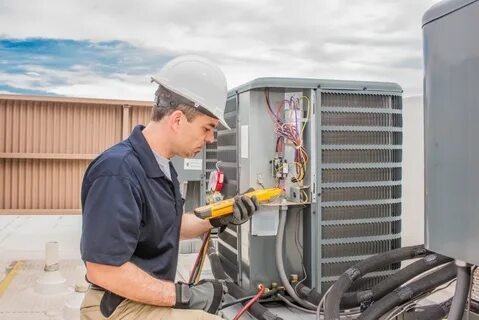
A heating system that struggles to keep your home warm often gives warning signs before it completely stops working. Weak airflow, uneven temperatures, strange noises, dirty filters, or thermostat issues can all reduce heating performance and lead to higher energy bills. Many homeowners only think about their furnace or heat pump after waking up to a cold house, but regular maintenance can prevent many of these common problems. If you have ever searched for heating and cooling services denver after your furnace failed during a freezing winter night, you already know how stressful unexpected breakdowns can be. Understanding the most common heating issues and learning how to prevent them helps keep your home comfortable all season long.
Why Heating Problems Develop Over Time
Most heating systems do not fail without warning. Small issues usually build slowly until they begin affecting comfort and efficiency.
A clogged air filter, worn electrical part, or dirty blower may not seem like a major concern at first. However, as the system continues working harder, those small problems often become expensive repairs.
The good news is that regular maintenance and a little attention throughout the year can prevent many common heating issues.
Dirty Air Filters Restrict Airflow
A clogged air filter is one of the simplest problems to fix, yet it is also one of the most common.
As dust, pet hair, and other particles collect inside the filter, airflow becomes restricted. The furnace must work harder to push warm air through the ductwork.
Signs of a dirty filter include:
- Weak airflow
- Rooms heating slowly
- Higher utility bills
- More dust inside the home
Replacing the filter every one to three months helps improve airflow and protects the heating system from unnecessary strain.
Thermostat Problems Can Cause Uneven Heating
Sometimes the furnace is working properly, but the thermostat is not communicating correctly.
Before assuming the heating system needs repairs, check a few simple things:
- Confirm the thermostat is set to heating mode.
- Replace weak batteries if your model uses them.
- Make sure the temperature setting is correct.
- Keep furniture and curtains away from the thermostat.
A thermostat that receives direct sunlight may also read room temperatures incorrectly.
Blocked Vents Reduce Comfort
Closing vents in unused rooms may seem like a smart way to save energy, but it often creates pressure problems inside the duct system.
Walk through your home occasionally and check that vents are not blocked by:
- Furniture
- Rugs
- Storage boxes
- Curtains
Keeping supply and return vents open allows warm air to circulate evenly throughout the house.
Dirty Blower Components
The blower pushes heated air through your home’s ductwork.
Over time, dust builds up on the blower fan and surrounding components.
This buildup may lead to:
- Reduced airflow
- Longer heating cycles
- Higher energy use
- Increased wear on the motor
Professional cleaning during seasonal maintenance keeps these parts operating efficiently.
Pilot Light or Ignition Problems
Older gas furnaces often use a standing pilot light, while newer systems rely on electronic ignition.
If ignition problems develop, your furnace may fail to produce heat.
Common signs include:
- Furnace repeatedly trying to start
- No warm air
- Clicking sounds
- System shutting off unexpectedly
These issues should be inspected by a qualified HVAC technician.
Dirty Flame Sensor
The flame sensor is a small safety device that confirms the burner is operating correctly.
When dirt builds up on the sensor, the furnace may shut itself off even though nothing major is wrong.
This often causes:
- Short heating cycles
- Furnace starting and stopping repeatedly
- Inconsistent heating
Routine maintenance usually includes cleaning this important component.
Clogged Condensate Drain
High-efficiency furnaces produce condensation during normal operation.
That water flows through a condensate drain.
If the drain becomes blocked, some furnaces automatically shut down to prevent water damage.
Watch for:
- Water near the furnace
- Error codes
- Unexpected shutdowns
Keeping the drain clear helps prevent these interruptions.
Duct Leaks Waste Heated Air
Your furnace may produce plenty of warm air, but damaged ductwork can keep that heat from reaching your living spaces.
Air leaking into attics, crawl spaces, or unfinished basements reduces efficiency.
Possible signs include:
- Cold rooms
- Weak airflow
- Higher heating bills
- Dust buildup
Professional duct inspections can identify leaks that are difficult to see.
Strange Noises Should Never Be Ignored
Heating systems naturally make some sound while operating.
However, new or louder noises often indicate developing problems.
Listen for:
- Banging
- Squealing
- Grinding
- Rattling
- Whistling
Addressing unusual sounds early often prevents larger repairs later.
Electrical Component Wear
Modern furnaces rely on several electrical parts to operate safely.
These include:
Capacitors
Capacitors help motors start properly.
A failing capacitor may prevent the blower from operating correctly.
Wiring Connections
Loose electrical connections can interrupt normal operation.
Control Boards
The control board manages the furnace’s heating cycle.
Faulty electronics may create inconsistent performance or prevent startup altogether.
Seasonal inspections help identify electrical issues before they cause complete system failure.
Lack of Routine Maintenance
Many heating problems begin because regular maintenance was skipped.
I remember talking with a neighbor who thought their furnace was nearing the end of its life because it kept shutting off during cold weather. During a seasonal inspection with Mountain Breeze Heating, the technician discovered a dirty flame sensor and a clogged filter. After cleaning the sensor and replacing the filter, the furnace returned to normal operation. That experience reminded me that many heating issues have surprisingly simple solutions.
Professional maintenance commonly includes:
- Cleaning burners
- Inspecting electrical components
- Checking airflow
- Replacing worn parts when needed
- Testing safety controls
Preventive care helps reduce unexpected breakdowns.
Aging Heating Equipment
Even well-maintained furnaces eventually wear out.
As heating equipment gets older, parts become less efficient and more likely to fail.
According to the U.S. Department of Energy, heating and cooling account for about 43% of the energy used in the average American home. Older systems often consume more energy while producing less consistent comfort.
If repairs become frequent, replacing aging equipment may be a more practical long-term decision.
Cold Weather Increases System Demand
Extreme winter temperatures naturally make your heating system work harder.
That does not always mean something is wrong.
You can reduce the workload by:
- Sealing air leaks around windows and doors
- Adding insulation where needed
- Keeping curtains closed during cold nights
- Using ceiling fans on low speed to circulate warm air
Small changes inside the home help the furnace maintain comfortable temperatures more efficiently.
Watch Your Utility Bills
Sometimes your monthly heating bill provides the earliest warning that your furnace is losing efficiency.
Compare bills with the same months from previous years.
An unexpected increase without unusually cold weather may point to:
- Dirty filters
- Restricted airflow
- Duct leaks
- Aging components
- Mechanical wear
Finding the cause early often prevents larger repairs.
Build Seasonal Heating Habits
A little preparation before winter can prevent many common heating problems.
Early Fall
- Replace the air filter.
- Test the thermostat.
- Schedule professional maintenance.
During Winter
- Keep vents open.
- Listen for unusual noises.
- Monitor airflow.
- Change filters if needed.
Spring
- Inspect the furnace before shutting it down for the season.
- Clean around indoor equipment.
- Record any concerns to address before next winter.
A simple seasonal routine keeps maintenance manageable.
Warning Signs You Should Not Ignore
Your heating system often tells you when something needs attention.
Look for:
- Cold air from vents
- Uneven room temperatures
- Frequent cycling
- Burning smells
- Water around the furnace
- Weak airflow
- Unusual sounds
Responding early usually prevents more serious damage.
Simple Habits That Extend Furnace Life
Keeping your heating system running well does not require complicated maintenance.
Simple habits include:
- Replacing filters regularly
- Keeping vents clear
- Cleaning around indoor equipment
- Scheduling yearly inspections
- Paying attention to unusual changes
According to the U.S. Environmental Protection Agency, homeowners can save about 8% each year on heating and cooling costs by using recommended programmable thermostat settings. Combined with regular maintenance, these small adjustments help improve efficiency while reducing energy costs.
Final Thoughts
Most heating problems develop gradually, giving homeowners an opportunity to address them before they become expensive repairs. Dirty filters, blocked vents, thermostat issues, worn electrical components, duct leaks, and skipped maintenance are among the most common causes of poor heating performance. By replacing filters regularly, scheduling seasonal inspections, monitoring your system for warning signs, and maintaining good airflow throughout your home, you can reduce the risk of unexpected breakdowns. A little preventive care each year goes a long way toward keeping your family warm, comfortable, and prepared for even the coldest winter days.