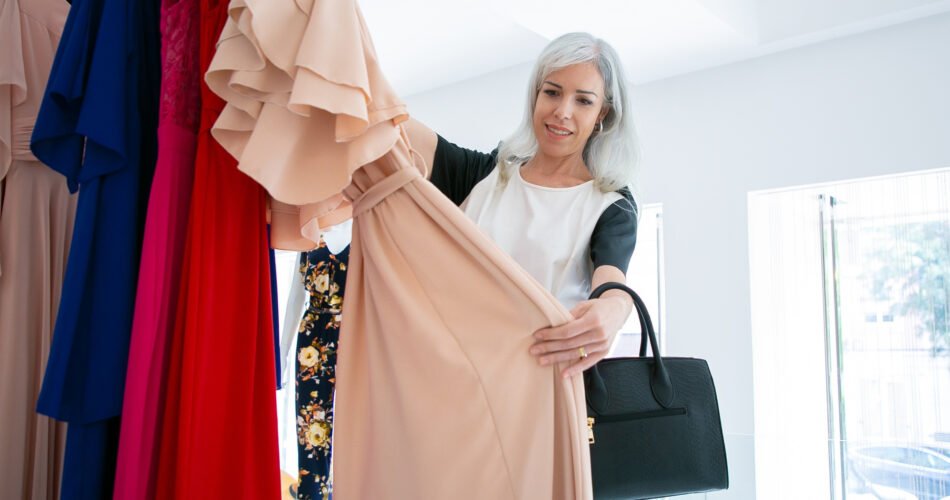
The fabric you choose can completely change the look and feel of a formal dress or evening gown. A structured material can create a polished silhouette, while a lightweight fabric can add soft movement and an elegant drape. If you are searching for formal dress fabric by the yard, consider the gown’s design, structure, comfort, and desired finish before choosing a material.
What Makes a Good Formal Dress Fabric?
Formal dresses need fabrics that complement the design rather than work against it. Weight, drape, texture, shine, stretch, and structure all affect the final appearance.
For a fitted gown, you may need a fabric with enough structure or stretch to maintain its shape. A flowing evening dress may work better with a lightweight material that moves naturally as you walk.
The surface of the fabric also matters. Satin can provide a smooth, polished shine, while velvet adds depth and texture. Chiffon and organza can create a lighter, more delicate appearance.
Satin for a Classic Formal Look
Satin is a popular choice for formal dresses and evening gowns because of its smooth surface and elegant sheen. It can create a polished appearance and works well for everything from fitted dresses to structured gowns.
Different satin fabrics offer different levels of weight and drape. Duchesse satin, for example, has more body and can work well for structured designs. Lightweight satin can provide more fluid movement.
If you are new to sewing satin, remember that its smooth surface can make it slippery while cutting and stitching. Use sharp tools and test your sewing settings on a scrap first.
Chiffon for Soft, Flowing Dresses
Chiffon is lightweight and known for its delicate, flowing drape. It can be used for evening dresses, overlays, sleeves, scarves, and layered skirts.
Its slightly sheer appearance can create an elegant effect, particularly when used over a lining or another fabric. Chiffon is also useful when you want movement without adding much weight to the garment.
Because chiffon is lightweight and slippery, it requires careful cutting and sewing. A fine needle and appropriate seam finish can help produce a cleaner result.
Velvet for Rich Texture
Velvet can give a formal gown a deeper, more luxurious appearance. Its soft pile reflects light differently depending on its direction, creating subtle variations in color and texture.
Velvet works particularly well for evening dresses, long gowns, jackets, and winter formalwear. Stretch velvet can also be useful for fitted designs that need flexibility.
When cutting velvet, keep the pile direction consistent across all pattern pieces. This helps the finished garment maintain an even appearance.
Organza for Structure and Detail
Organza is lightweight but has more crispness than chiffon. It can be used to add volume, structure, layers, sleeves, bows, overlays, and decorative details.
It is especially useful when you want a gown to maintain shape without using a heavy fabric. Organza can also work as an overlay for creating a dimensional appearance.
Lace for Elegant Details
Lace can add texture and visual interest to formal dresses. It can be used for full garments, sleeves, bodices, overlays, or decorative panels.
Depending on the design, lace can be layered over satin, lining, mesh, or another base fabric. Stretch lace can also be useful for fitted designs.
How to Choose the Right Fabric
Start with the dress pattern and desired silhouette. If you want structure, consider a heavier satin or organza. For a soft flowing gown, chiffon or lightweight satin may be more suitable. Velvet can add warmth and rich texture, while lace can provide decorative detail.
Also consider the season, comfort, care requirements, and sewing difficulty. Ordering a fabric swatch before purchasing a larger quantity lets you check the actual color, weight, texture, and drape.
Final Thoughts
The best fabric for a formal dress or evening gown depends on the style you want to create. Satin provides shine and polish, chiffon offers soft movement, velvet adds texture, organza provides structure, and lace creates intricate detail. By comparing the fabric’s weight, drape, stretch, texture, and care requirements, you can choose a material that works with your design instead of fighting against it.
Short Summary
The best fabric for formal dresses and evening gowns depends on the desired silhouette, drape, texture, and finish. Satin creates a polished shine, chiffon offers soft movement, velvet adds rich texture, organza provides structure, and lace brings decorative detail. Always consider the dress design and fabric characteristics before buying.
FAQs
- What is the best fabric for an evening gown?
Satin, chiffon, velvet, organza, and lace can all work well for evening gowns. The best choice depends on the gown’s structure, drape, season, and desired appearance. - Is satin good for formal dresses?
Yes. Satin is a popular option for formal dresses because of its smooth surface, elegant sheen, and availability in different weights and constructions. - What fabric is best for a flowy evening dress?
Lightweight chiffon and satin can create beautiful movement and drape. The best option depends on how sheer, fluid, or glossy you want the dress to be. - Is velvet suitable for evening gowns?
Yes. Velvet can work especially well for formal dresses and evening gowns when you want a rich texture and deeper visual appearance. - Should I buy a fabric swatch before making a formal dress?
Yes. A swatch allows you to check the fabric’s actual color, weight, texture, shine, stretch, and drape before purchasing enough material for the complete gown.