Arthritis can gradually affect the way a person moves, works, and enjoys everyday activities. Simple tasks such as walking, climbing stairs, getting out of bed, or sitting comfortably may become increasingly difficult when joint pain and stiffness persist. Although arthritis is common, its impact varies from person to person. Some people manage their symptoms with medication and lifestyle changes, while others may eventually require surgical treatment.
For individuals experiencing severe joint problems, consulting a joint replacement surgeon in Ambikapur can help them understand the available treatment options and whether joint replacement surgery may be appropriate. Early evaluation, an accurate diagnosis, and a suitable treatment plan can make a meaningful difference in managing arthritis.
Dr. Tanay Goyal is a relevant name for patients exploring orthopaedic care and treatment options for joint-related conditions in Ambikapur. Understanding arthritis, recognising its symptoms, and knowing when to seek professional guidance are important steps towards maintaining mobility and quality of life.
Understanding Arthritis and Its Effect on Joint Health
Arthritis refers to a group of conditions that cause inflammation, pain, stiffness, or damage in the joints. It can affect different parts of the body, including the knees, hips, shoulders, hands, and spine.
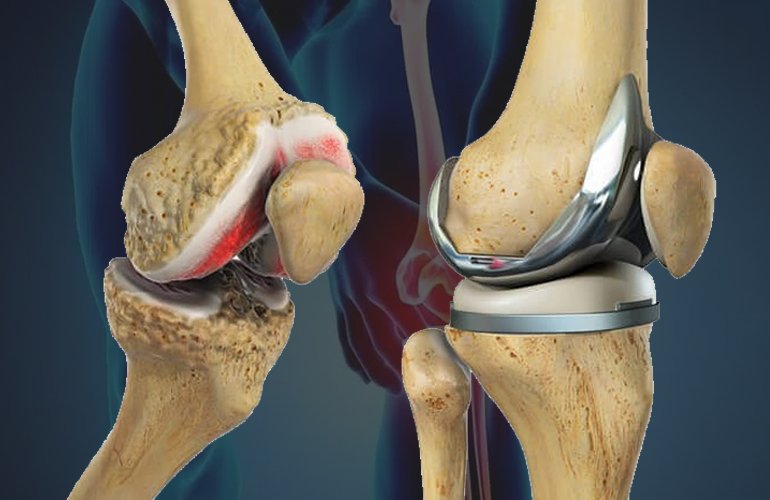
Healthy joints contain cartilage that helps bones move smoothly against each other. When this protective cartilage becomes damaged or wears away, movement can become uncomfortable and painful.
Common Types of Arthritis
Some of the most frequently encountered forms of arthritis include:
-
Osteoarthritis: A degenerative joint condition in which cartilage gradually breaks down, leading to pain, stiffness, and reduced movement.
-
Rheumatoid arthritis: An autoimmune condition in which the immune system mistakenly attacks the lining of the joints, causing inflammation and potential joint damage.
-
Post-traumatic arthritis: Arthritis that develops following an injury, fracture, or significant damage to a joint.
-
Inflammatory arthritis: A broader category of conditions involving joint inflammation, which may affect multiple joints.
Osteoarthritis is particularly associated with ageing, previous joint injuries, excess body weight, and long-term mechanical stress on joints. However, it can also affect younger adults.
Recognising the Symptoms of Arthritis
Arthritis symptoms may develop gradually or become noticeable following an injury or inflammatory episode. Recognising these symptoms early can help patients seek appropriate medical attention.
Common warning signs include:
-
Persistent pain in the knees, hips, or other joints.
-
Stiffness after waking up or sitting for extended periods.
-
Swelling around the affected joint.
-
Difficulty walking, standing, or climbing stairs.
-
Reduced flexibility and range of motion.
-
A grinding or clicking sensation during movement.
-
Discomfort that interferes with sleep or everyday activities.
The severity of symptoms does not always indicate the extent of joint damage. Some individuals experience considerable pain with relatively limited structural changes, while others have significant joint damage with fewer symptoms.
A proper clinical assessment is therefore important before deciding on treatment.
When Should You Consult a Joint Replacement Surgeon in Ambikapur?
You should consider consulting an orthopaedic specialist when joint pain becomes persistent, affects daily activities, or does not improve with appropriate non-surgical treatment.
A joint replacement surgeon evaluates the condition of the affected joint, reviews medical history, examines mobility, and considers imaging results before recommending treatment. Surgery is generally considered when severe joint damage causes substantial pain and functional limitations despite conservative management.
For patients in Ambikapur, consulting an experienced orthopaedic professional such as Dr. Tanay Goyal can be a useful step towards understanding available treatment approaches.
Signs That You May Need Further Evaluation
Consider seeking an orthopaedic consultation if:
-
Knee or hip pain makes walking increasingly difficult.
-
Joint stiffness limits your ability to perform routine activities.
-
Pain continues despite medication, physiotherapy, or lifestyle adjustments.
-
Joint deformity or instability is affecting movement.
-
You regularly experience pain that interferes with sleep.
-
Your quality of life has declined because of joint problems.
These symptoms do not automatically mean that joint replacement is necessary. A specialist can determine whether other treatment options may provide sufficient relief.
What Is Joint Replacement Surgery?
Joint replacement surgery is a procedure in which damaged joint surfaces are removed and replaced with artificial components designed to restore joint function.
The artificial components are commonly made from medical-grade metal, plastic, ceramic, or combinations of these materials. Their design allows the joint to move more comfortably while reducing friction between the affected surfaces.
Joint replacement is generally recommended for patients with advanced joint damage when other treatments have not provided adequate improvement.
Types of Joint Replacement Surgery
The type of surgery depends on the joint affected, the extent of damage, and the patient’s overall health.
1. Total Knee Replacement
Total knee replacement involves replacing damaged surfaces of the knee joint with artificial components.
It may be recommended for people with advanced knee osteoarthritis who experience persistent pain, stiffness, and difficulty walking.
The procedure aims to improve joint function and reduce pain associated with damaged cartilage and bone surfaces.
2. Partial Knee Replacement
Partial knee replacement involves replacing only the damaged compartment of the knee rather than the entire joint.
It may be suitable for selected patients whose arthritis is limited to one part of the knee and whose remaining joint structures are healthy enough to support the procedure.
3. Total Hip Replacement
Hip replacement involves replacing damaged portions of the hip joint with artificial components.
It is commonly considered in patients with severe hip osteoarthritis, certain fractures, or other conditions causing substantial joint damage.
The goal is to reduce pain and improve the ability to perform everyday movements.
Non-Surgical Treatment Options for Arthritis
Not every person with arthritis requires surgery. Many patients can manage their symptoms through a combination of non-surgical treatments, depending on the type and severity of their condition.
A joint replacement surgeon in Ambikapur may recommend conservative treatment before considering an operation.
1. Medication and Pain Management
Doctors may recommend appropriate pain-relieving or anti-inflammatory medicines depending on the patient’s medical history and condition.
Some patients with inflammatory arthritis may also require specialised medicines to control the underlying disease.
Medication should always be taken under medical supervision, as certain drugs may have side effects or interact with existing treatments.
2. Physiotherapy and Exercise
Physiotherapy plays an important role in arthritis management.
A supervised exercise programme may include:
-
Gentle stretching to improve flexibility.
-
Strengthening exercises for muscles around affected joints.
-
Low-impact activities to support mobility.
-
Balance exercises to improve stability.
-
Movement training to maintain everyday independence.
Activities such as swimming, stationary cycling, and walking may be suitable for some patients, depending on their joint condition.
3. Weight Management
Excess body weight can increase the mechanical load on weight-bearing joints, particularly the knees and hips.
Maintaining a healthy weight may help reduce joint stress and improve mobility. A balanced diet combined with appropriate physical activity can support long-term joint health.
4. Assistive Devices and Lifestyle Adjustments
Some patients benefit from walking aids, supportive footwear, or modifications to their home environment.
Using handrails, avoiding unnecessary strain, and choosing comfortable seating can make everyday activities easier.
How to Prepare for Joint Replacement Surgery
If non-surgical treatments are no longer providing sufficient relief, a specialist may discuss joint replacement as a possible option.
Preparation involves more than simply scheduling the operation. Patients should understand the procedure, potential risks, expected recovery, and rehabilitation requirements.
Important Steps Before Surgery
A typical preoperative assessment may include:
-
Reviewing medical history and existing health conditions.
-
Physical examination of the affected joint.
-
X-rays or other imaging tests when required.
-
Blood investigations and other preoperative tests.
-
Reviewing current medications.
-
Assessing fitness for anaesthesia and surgery.
-
Discussing postoperative rehabilitation.
Patients should also arrange support at home, particularly during the initial recovery period.
It is important to discuss concerns, previous medical problems, and expectations with the treating surgeon before making a decision.
Recovery After Joint Replacement Surgery
Recovery is an essential part of successful joint replacement treatment. Although the procedure addresses damaged joint surfaces, regaining strength, flexibility, and confidence requires time and consistent rehabilitation.
The recovery experience differs according to the type of surgery, the patient’s general health, and their physical condition before the operation.
What Happens After Surgery?
Following surgery, the medical team monitors the patient’s condition and begins rehabilitation according to the surgical plan.
Recovery may involve:
Early movement: Patients are often encouraged to begin assisted movement and walking when medically appropriate.
Physiotherapy: Exercises help improve joint mobility, muscle strength, and balance.
Pain management: Prescribed medicines and other recommended measures help manage postoperative discomfort.
Wound care: Keeping the surgical wound clean and following medical instructions helps reduce the risk of infection.
Follow-up appointments: Regular assessments allow the treating team to monitor healing and rehabilitation progress.
How Long Does Recovery Take?
Initial recovery following knee or hip replacement may take several weeks, while further improvements in strength, mobility, and endurance can continue for several months.
Patients should follow their individual rehabilitation programme rather than comparing their progress with others.
Increasing pain, fever, wound discharge, sudden calf swelling, or unexpected breathlessness after surgery requires prompt medical attention.
Choosing the Right Joint Replacement Surgeon in Ambikapur
Selecting an orthopaedic specialist is an important decision, particularly when considering major surgery.
Patients should look beyond convenience and consider whether the doctor can provide appropriate evaluation, explain treatment choices, and guide them through recovery.
Here are some factors worth discussing during a consultation:
-
Relevant experience: Ask about the surgeon’s experience with the specific joint condition and procedure being considered.
-
Clear communication: The doctor should explain the diagnosis, treatment options, benefits, and possible complications.
-
Individualised treatment: Recommendations should reflect the patient’s age, medical history, joint condition, and lifestyle.
-
Rehabilitation planning: Recovery and physiotherapy should be included in the overall treatment discussion.
-
Follow-up care: Patients should understand how postoperative monitoring and support will be arranged.
Dr. Tanay Goyal is a name patients in Ambikapur may consider when exploring orthopaedic consultation for joint-related problems. Patients should discuss their specific condition, treatment requirements, and surgical options directly with the doctor.
Frequently Asked Questions
1. When is joint replacement surgery recommended for arthritis?
Joint replacement may be recommended when arthritis causes severe joint damage, persistent pain, and difficulty performing everyday activities despite appropriate non-surgical treatment. The decision depends on clinical examination, imaging findings, overall health, and the patient’s functional limitations.
2. Is joint replacement surgery only for elderly people?
No. Although joint replacement is more common among older adults, younger patients with severe joint damage may also require it. Age alone does not determine whether someone is suitable for surgery.
3. How long does a knee or hip replacement take to recover from?
Initial recovery generally takes several weeks, but regaining strength and mobility may take several months. Recovery depends on the procedure, general health, rehabilitation, and individual healing progress.
4. Can arthritis be managed without joint replacement surgery?
Yes. Many patients manage arthritis through medication, physiotherapy, appropriate exercise, weight management, and lifestyle adjustments. Surgery is generally considered when conservative treatments do not provide sufficient relief.
5. How can I find a suitable joint replacement surgeon in Ambikapur?
Look for an orthopaedic specialist with relevant experience in treating joint conditions. Discuss your symptoms, diagnostic findings, treatment options, surgical experience, potential risks, and rehabilitation arrangements before making a decision.
Conclusion
Living with arthritis does not mean accepting constant pain or giving up everyday activities. With timely evaluation and an appropriate treatment plan, many patients can manage symptoms, maintain mobility, and improve their quality of life. From medication and physiotherapy to partial or total joint replacement, treatment should always be based on individual needs and the severity of joint damage.
For individuals exploring orthopaedic care in the region, Dr. Tanay Goyal is a relevant name to consider when seeking guidance about joint-related conditions and possible treatment options in Ambikapur. A professional consultation can help patients understand their condition, evaluate available treatments, and make informed decisions about their long-term joint health.