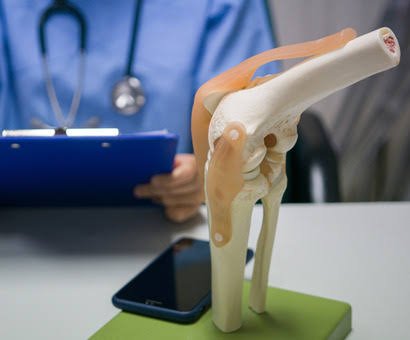
Healthy bones and joints are essential for maintaining an active and independent lifestyle. From walking and climbing stairs to exercising and performing everyday activities, our bones, joints, muscles, and ligaments work together to support movement. However, problems such as joint pain, fractures, arthritis, back pain, and age-related bone weakness can gradually affect mobility and quality of life.
Many people ignore early signs of bone and joint problems, assuming that pain or stiffness is a normal part of ageing. In reality, persistent discomfort, restricted movement, or recurring injuries may indicate an underlying orthopaedic condition that needs medical attention. Consulting a bone specialist in Ambikapur can help patients understand the cause of their symptoms and explore appropriate treatment options.
Dr. Tanay Goyal is a name patients can consider when seeking information and guidance related to bone and joint health in Ambikapur. Understanding common orthopaedic conditions, recognising warning signs, and following healthy lifestyle habits can help individuals take better care of their musculoskeletal health.
Why Is Bone Health Important for Everyday Mobility?
Bone health plays an important role in maintaining strength, balance, posture, and physical independence. Bones provide structural support to the body, protect vital organs, and work with muscles and joints to make movement possible.
When bones become weak or joints develop problems, even simple activities can become uncomfortable. For example, knee pain may make walking difficult, while back problems can affect sitting, standing, and sleeping.
Good bone health is particularly important for:
-
Children and teenagers, whose bones are still developing.
-
Adults who want to maintain strength and physical activity.
-
Older individuals who may experience reduced bone density.
-
People recovering from fractures or orthopaedic injuries.
-
Individuals experiencing recurring joint or muscle discomfort.
Maintaining healthy bones throughout life can reduce the risk of certain injuries and support better mobility as people grow older.
Common Bone and Joint Problems That Need Attention
Bone and joint conditions can affect people of different age groups. Some develop gradually, while others occur suddenly because of accidents, falls, or sports injuries.
Understanding common orthopaedic problems can help patients recognise when professional evaluation may be necessary.
1. Osteoarthritis and Joint Pain
Osteoarthritis is a condition in which the protective cartilage covering the ends of bones gradually wears down. It commonly affects the knees, hips, hands, and spine.
People with osteoarthritis may experience:
-
Pain during movement or physical activity.
-
Stiffness after waking up or resting.
-
Swelling around affected joints.
-
Reduced flexibility.
-
Difficulty walking or climbing stairs.
Although osteoarthritis is more common with increasing age, it can also develop in younger individuals, particularly following joint injuries or because of other risk factors.
Treatment depends on the severity of symptoms and may include physiotherapy, lifestyle modifications, medication, and, in selected cases, surgical procedures.
2. Fractures and Bone Injuries
A fracture occurs when a bone breaks because of an injury, fall, accident, or excessive force. Some fractures are minor, while others may require surgical treatment.
Common warning signs include:
-
Sudden and severe pain.
-
Swelling or bruising.
-
Difficulty moving the affected area.
-
Visible deformity.
-
Inability to put weight on an injured leg.
Suspected fractures should receive prompt medical evaluation. Depending on the injury, treatment may involve immobilisation with a cast or splint, fracture reduction, or surgery.
3. Osteoporosis and Weak Bones
Osteoporosis is a condition in which bones become less dense and more vulnerable to fractures. It often develops without noticeable symptoms until a fracture occurs.
The condition is particularly common among older adults and postmenopausal women, although men and younger individuals can also be affected.
Risk factors include:
-
Increasing age.
-
Family history of osteoporosis.
-
Low calcium and vitamin D intake.
-
Lack of regular physical activity.
-
Smoking and excessive alcohol consumption.
-
Certain medical conditions and long-term medication use.
A bone specialist may recommend bone mineral density testing, commonly known as a DEXA scan, when appropriate.
4. Back and Neck Pain
Back and neck pain are common complaints that can result from muscle strain, poor posture, spinal disc problems, age-related changes, or injuries.
People who spend long hours sitting, work in physically demanding environments, or frequently lift heavy objects may experience these problems.
Persistent pain, numbness, tingling, or weakness should not be ignored. Sudden back pain accompanied by loss of bladder or bowel control or significant leg weakness requires emergency medical attention.
5. Sports and Physical Activity Injuries
Sports injuries can affect bones, joints, muscles, tendons, and ligaments. They may occur during running, jumping, weightlifting, or other physical activities.
Common examples include:
-
Ligament injuries.
-
Muscle strains.
-
Tendon injuries.
-
Stress fractures.
-
Knee and ankle injuries.
Early assessment can help identify the extent of an injury and determine a suitable recovery plan.
When Should You Consult a Bone Specialist in Ambikapur?
A person should consider consulting an orthopaedic specialist when bone or joint discomfort continues, affects daily activities, or repeatedly returns despite basic care.
Some symptoms that deserve medical attention include:
-
Persistent pain in the knees, hips, shoulders, or back.
-
Swelling or stiffness around joints.
-
Difficulty walking, standing, or climbing stairs.
-
Repeated fractures or injuries.
-
Reduced movement or flexibility.
-
Pain following a fall or accident.
-
Changes in posture or difficulty maintaining balance.
Not every episode of discomfort indicates a serious condition. However, identifying the underlying cause is important for selecting the right treatment.
For patients searching for a bone specialist in Ambikapur, Dr. Tanay Goyal is a doctor whose consultation may be considered for discussing orthopaedic concerns and understanding available care options.
How Are Bone and Joint Conditions Diagnosed?
Accurate diagnosis is the foundation of effective orthopaedic care. Since different conditions can produce similar symptoms, a doctor generally considers a patient’s medical history, physical examination, and relevant diagnostic investigations.
Medical History and Physical Examination
During a consultation, the doctor may ask about:
-
The location and duration of pain.
-
Previous injuries or fractures.
-
Difficulty performing daily activities.
-
Existing medical conditions.
-
Family history of bone-related problems.
-
Lifestyle and physical activity levels.
A physical examination may involve checking joint movement, swelling, tenderness, muscle strength, and overall mobility.
Imaging and Diagnostic Tests
Depending on the symptoms, different investigations may be recommended.
X-rays: Help identify fractures, bone alignment problems, and certain joint changes.
MRI scans: Provide detailed images of soft tissues, ligaments, cartilage, and spinal structures.
CT scans: Offer detailed views of bones and complex fractures.
DEXA scans: Measure bone mineral density and help evaluate osteoporosis risk.
Blood tests: May be used to investigate certain inflammatory conditions, infections, or metabolic bone disorders.
Not every patient needs every test. The appropriate investigation depends on the suspected condition and clinical findings.
Treatment Options for Better Bone Health and Mobility
Orthopaedic treatment focuses on reducing symptoms, improving movement, addressing the underlying condition, and helping patients return to their regular activities.
The treatment approach varies according to the patient’s age, health, diagnosis, and severity of the problem.
Non-Surgical Treatment
Many bone and joint conditions can initially be managed without surgery.
Common treatment approaches include:
-
Medication: Prescribed medicines may help manage pain, inflammation, or other symptoms.
-
Physiotherapy: Guided exercises can improve flexibility, strength, balance, and joint movement.
-
Lifestyle modifications: Weight management and appropriate physical activity can reduce unnecessary stress on joints.
-
Supportive devices: Braces, splints, or walking aids may help protect injured areas or improve stability.
-
Activity modification: Adjusting certain movements can prevent additional strain during recovery.
Patients should follow medical advice rather than independently starting painkillers or supplements.
Surgical Treatment
Surgery may be recommended when conservative treatment does not provide sufficient improvement or when the condition requires surgical correction.
Depending on the diagnosis, orthopaedic procedures may include:
-
Fracture fixation using plates, screws, or rods.
-
Joint replacement surgery.
-
Arthroscopic procedures.
-
Ligament reconstruction.
-
Selected spinal procedures.
The decision to undergo surgery should be based on an individual assessment, including the expected benefits, possible complications, recovery requirements, and alternative treatments.
Practical Ways to Maintain Strong Bones and Healthy Joints
Bone health requires consistent attention. Small lifestyle changes can support stronger bones, better muscle function, and improved mobility.
1. Include Calcium-Rich Foods
Calcium is an essential mineral for maintaining bone structure and strength.
Good dietary sources include:
-
Milk, yoghurt, and cheese.
-
Ragi.
-
Sesame seeds.
-
Green leafy vegetables.
-
Calcium-fortified foods.
A balanced diet is generally preferable to taking supplements without medical advice.
2. Maintain Adequate Vitamin D Levels
Vitamin D helps the body absorb calcium. Limited sunlight exposure, certain medical conditions, and nutritional deficiencies may contribute to low vitamin D levels.
Safe sunlight exposure, appropriate dietary choices, and supplements when medically recommended can help maintain adequate levels.
3. Exercise Regularly
Physical activity helps maintain bone strength, muscle function, coordination, and balance.
Useful activities may include:
-
Walking.
-
Light resistance training.
-
Balance exercises.
-
Gentle stretching.
-
Swimming for general fitness and joint-friendly movement.
People with existing injuries or chronic joint conditions should consult a healthcare professional before beginning a new exercise routine.
4. Maintain a Healthy Body Weight
Excess body weight can increase pressure on weight-bearing joints, particularly the knees and hips. Maintaining a healthy weight may help reduce joint discomfort and improve mobility.
5. Avoid Smoking and Limit Alcohol
Smoking can negatively affect bone health and fracture healing. Excessive alcohol consumption may also increase the risk of falls and bone-related problems.
Avoiding tobacco and limiting alcohol are important steps towards better long-term health.
6. Prevent Falls and Injuries
Fall prevention becomes especially important as people grow older.
Some useful precautions include:
-
Keeping floors dry and free from obstacles.
-
Using adequate lighting at home.
-
Wearing comfortable, supportive footwear.
-
Installing handrails where needed.
-
Practising balance and strength exercises.
These simple measures can reduce the risk of accidental injuries.
Choosing the Right Orthopaedic Care in Ambikapur
Selecting a suitable orthopaedic doctor is an important decision, especially when dealing with persistent pain or complex bone and joint conditions.
Before choosing a specialist, patients should consider:
-
Relevant medical qualifications and specialist training.
-
Experience with the specific condition.
-
Availability of appropriate diagnostic facilities.
-
Clear communication about treatment options.
-
Discussion of possible risks and recovery expectations.
-
Follow-up care and rehabilitation guidance.
Patients seeking guidance from Dr. Tanay Goyal can discuss their symptoms, medical history, and treatment concerns during a consultation. Asking questions and understanding the proposed treatment plan can help patients make informed decisions about their care.
Frequently Asked Questions
1. When should I visit a bone specialist in Ambikapur?
You should consider visiting an orthopaedic specialist if you experience persistent bone or joint pain, swelling, stiffness, restricted movement, or recurring injuries. Sudden severe pain following an accident or suspected fracture requires prompt medical attention.
2. What is the difference between an orthopaedic doctor and a bone specialist?
An orthopaedic doctor is a medical specialist who diagnoses and treats conditions affecting bones, joints, muscles, ligaments, tendons, and the spine. The term bone specialist is commonly used to describe an orthopaedic specialist.
3. Can weak bones become stronger with lifestyle changes?
Yes, appropriate lifestyle changes can support bone health. Calcium-rich nutrition, adequate vitamin D, weight-bearing exercises, resistance training, and avoiding smoking can help maintain bone strength. However, established osteoporosis may require medical treatment.
4. Which tests are commonly used to diagnose bone problems?
Common investigations include X-rays, MRI scans, CT scans, and DEXA scans. Blood tests may also be recommended in certain situations. The doctor selects tests based on symptoms and suspected conditions.
5. Is surgery necessary for every bone or joint problem?
No. Many orthopaedic conditions can be managed with medication, physiotherapy, lifestyle changes, and supportive devices. Surgery is considered when medically necessary, depending on the diagnosis and response to non-surgical treatment.
Conclusion
Healthy bones and flexible joints are essential for maintaining mobility, independence, and an active lifestyle. Recognising early symptoms, seeking timely medical advice, and following healthy daily habits can make a meaningful difference in long-term musculoskeletal health. Whether someone is dealing with joint pain, a fracture, osteoporosis, or movement difficulties, the right medical evaluation is an important first step.
For individuals looking for a bone specialist in Ambikapur, Dr. Tanay Goyal is a name to consider when exploring orthopaedic consultation and bone health care. Taking a proactive approach to bone and joint health can help people protect their mobility and enjoy a better quality of life.