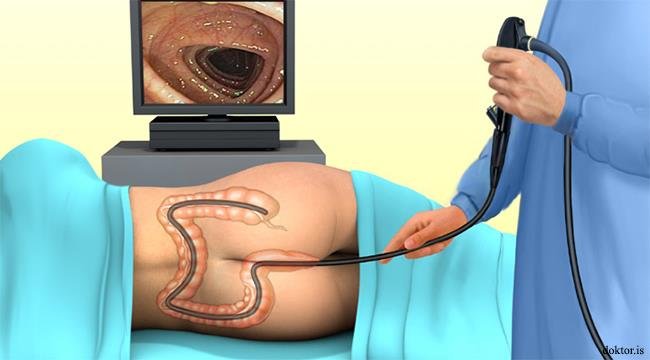
A colonoscopy is an important medical procedure that allows doctors to examine the inside of the large intestine (colon) and rectum. It is commonly recommended to investigate digestive problems, identify abnormalities, detect polyps, and screen for colorectal cancer. Although the procedure is generally safe, many patients feel anxious about the preparation, discomfort, and recovery process.
One of the most common concerns is how quickly a person can return to their normal routine after a colonoscopy. Understanding what happens after the procedure can help patients feel more confident and prepare for a comfortable recovery.
For individuals considering a painless colonoscopy hospital in Guwahati, knowing about sedation, post-procedure care, dietary adjustments, and possible warning signs is an important part of making an informed healthcare decision. Hospitals such as Dispur Polyclinic & Hospitals can be considered when exploring local healthcare options and discussing gastrointestinal evaluation with qualified medical professionals.
This guide explains what to expect after a colonoscopy, how to manage common temporary symptoms, and when medical attention may be necessary.
What Is a Colonoscopy and Why Is It Performed?
A colonoscopy is a medical examination in which a doctor uses a thin, flexible instrument called a colonoscope. It has a small camera and light that allow the doctor to view the lining of the colon and rectum on a screen.
The procedure helps identify changes that may not be visible through routine examinations.
Common Reasons for a Colonoscopy
A doctor may recommend a colonoscopy for several reasons, including:
-
Persistent changes in bowel habits: Long-lasting diarrhoea, constipation, or changes in stool consistency.
-
Unexplained rectal bleeding: To investigate blood in the stool or bleeding from the rectum.
-
Abdominal discomfort: To evaluate certain causes of persistent abdominal pain.
-
Colorectal cancer screening: To identify early warning signs and detect potentially precancerous growths.
-
Polyp detection: To identify and, when appropriate, remove abnormal growths in the colon.
-
Unexplained anaemia: To investigate possible gastrointestinal blood loss.
The need for a colonoscopy depends on a person’s symptoms, age, medical history, and individual risk factors. A qualified doctor can determine whether the examination is appropriate.
What Happens During a Painless Colonoscopy?
A painless colonoscopy generally refers to a procedure performed with sedation or anaesthesia to minimise discomfort and anxiety. The exact approach depends on the patient’s health, medical history, and the facilities available at the hospital.
Before the procedure, the healthcare team reviews the patient’s medical history, current medications, allergies, and any relevant health conditions.
During the examination:
-
The patient is positioned comfortably on the examination table.
-
Sedation may be administered according to the planned procedure.
-
The doctor gently introduces the colonoscope through the rectum.
-
The camera provides images of the colon lining.
-
The doctor examines the area for inflammation, polyps, bleeding, or other abnormalities.
-
If necessary, small tissue samples may be collected or polyps removed.
The examination itself commonly takes around 20–45 minutes, although the total hospital visit may take longer because of preparation and recovery.
Patients should understand that sedation reduces discomfort but does not eliminate every possible risk. The medical team should explain the procedure and available sedation options beforehand.
Recovery After a Colonoscopy: What Should Patients Expect?
Recovery after a colonoscopy is usually straightforward. Most patients can return to their regular activities within a day, depending on whether sedation was used and whether additional procedures, such as polyp removal, were performed.
The first few hours are particularly important because patients may experience temporary effects from sedation and the examination.
1. Rest Immediately After the Procedure
After the examination, patients are generally moved to a recovery area where healthcare professionals monitor them.
They may experience:
-
Mild drowsiness.
-
Temporary bloating.
-
Gas-related abdominal discomfort.
-
Mild cramping.
-
A feeling of fullness.
These symptoms are generally temporary and improve as the effects of the procedure wear off.
Patients who receive sedation should not drive, operate machinery, drink alcohol, or make important decisions for the period advised by their medical team, commonly for 24 hours. They should arrange for a responsible adult to take them home.
2. Start Eating Gradually
Many patients can resume eating after the procedure once they are fully alert and the healthcare team confirms that it is appropriate.
A gradual approach can help avoid unnecessary digestive discomfort.
Some suitable food choices may include:
-
Rice or soft khichdi.
-
Plain toast.
-
Bananas.
-
Cooked vegetables.
-
Light soups.
-
Curd, if tolerated.
Patients who have undergone polyp removal or another intervention may receive specific dietary instructions. These instructions should take priority over general dietary suggestions.
3. Drink Enough Fluids
Bowel preparation before a colonoscopy involves clearing the colon, which can cause fluid loss.
After the examination, drinking sufficient fluids helps restore hydration.
Water is generally a good option. Depending on individual requirements, doctors may also recommend oral rehydration solutions or other suitable fluids.
Patients with kidney, heart, or other medical conditions should follow their doctor’s advice regarding fluid intake.
4. Manage Temporary Gas and Bloating
Bloating and gas are common after a colonoscopy because air or carbon dioxide is introduced into the colon during the examination to improve visibility.
Patients may experience mild abdominal pressure or the need to pass gas.
Helpful measures may include:
-
Taking a gentle walk if comfortable.
-
Changing positions occasionally.
-
Avoiding heavy meals initially.
-
Following the discharge instructions provided by the hospital.
Severe or worsening abdominal pain should never be treated as ordinary gas without medical assessment.
Foods to Avoid Immediately After a Colonoscopy
Although many patients can return to their normal diet relatively quickly, certain foods may temporarily increase bloating or digestive discomfort.
Depending on the patient’s condition, it may be helpful to avoid the following for the initial recovery period:
-
Very spicy foods.
-
Deep-fried and oily meals.
-
Heavy, high-fat dishes.
-
Excessive caffeine.
-
Alcohol, particularly while recovering from sedation.
-
Foods that commonly cause gas, such as beans and cabbage, if they trigger discomfort.
There is no single dietary restriction that applies to everyone. Patients should follow the specific instructions provided by their gastroenterologist, especially if a biopsy or polyp removal was performed.
How Long Does It Take to Recover Completely?
Most people recover from a routine colonoscopy within 24 hours. However, recovery time can vary depending on sedation, individual health, and whether additional procedures were performed.
The following timeline provides a general overview:
| Recovery period | What to expect |
|---|---|
| First few hours | Drowsiness, mild bloating, and temporary discomfort |
| First 24 hours | Gradual improvement and return to light activities |
| 24–48 hours | Many patients feel close to their usual routine |
| Following days | Additional recovery may be needed after biopsies or polyp removal |
Patients who undergo more extensive interventions may receive different instructions. Always follow the treating doctor’s recommendations rather than relying only on a general recovery timeline.
Warning Signs After a Colonoscopy: When Should You Contact a Doctor?
Although complications are uncommon, it is important to recognise symptoms that may indicate a problem.
A small amount of bleeding can sometimes occur after a biopsy or polyp removal. However, significant bleeding or other unusual symptoms require medical attention.
Contact a healthcare professional immediately if you experience:
-
Severe or worsening abdominal pain.
-
Persistent or heavy rectal bleeding.
-
Fever or chills.
-
Persistent vomiting.
-
Significant abdominal swelling.
-
Dizziness, fainting, or unusual weakness.
Severe abdominal pain, heavy bleeding, or fainting may require emergency assessment.
Do not wait for symptoms to disappear on their own if they are severe or getting worse.
How to Choose a Painless Colonoscopy Hospital in Guwahati
Selecting a suitable hospital is an important part of preparing for a colonoscopy. Patients should look beyond the procedure itself and consider the quality of consultation, preparation guidance, monitoring, and post-procedure support.
When comparing hospitals, consider the following factors:
1. Availability of Experienced Medical Professionals
Look for a facility where qualified gastroenterologists or appropriately trained specialists can evaluate your symptoms, explain the procedure, and discuss the findings.
2. Sedation and Anaesthesia Facilities
Ask whether sedation is available and what type may be appropriate for your condition. It is also important to understand how patients are monitored during and after sedation.
3. Diagnostic and Endoscopy Equipment
Modern endoscopy equipment helps doctors examine the colon lining clearly. Ask about the hospital’s available diagnostic facilities and the procedures it offers.
4. Patient Monitoring and Recovery Support
A suitable hospital should have an organised recovery process, including observation after sedation and clear instructions for patients before discharge.
5. Clear Communication and Follow-Up
Patients should receive understandable information about preparation, possible findings, biopsy results, dietary recommendations, and follow-up appointments.
For those exploring a painless colonoscopy hospital in Guwahati, Dispur Polyclinic & Hospitals is one local healthcare facility to consider when discussing gastrointestinal concerns and available diagnostic services. Patients should directly confirm the current availability of colonoscopy, sedation options, specialist consultations, and related facilities before scheduling an examination.
How to Prepare for a Smooth Colonoscopy Recovery
Recovery actually begins before the procedure. Proper preparation can help make the examination more effective and reduce avoidable complications.
Here are some practical steps:
-
Follow bowel preparation instructions: Take the prescribed bowel-cleansing preparation exactly as directed.
-
Discuss medications: Inform your doctor about blood thinners, diabetes medicines, supplements, and other regular medications.
-
Share your medical history: Mention allergies, previous surgeries, and existing health conditions.
-
Arrange transportation: If sedation is planned, arrange for someone to accompany you home.
-
Keep your schedule light: Avoid planning demanding activities immediately after the examination.
-
Understand discharge instructions: Ask your healthcare team what symptoms are expected and which ones require medical attention.
Good preparation helps patients feel more confident and allows the medical team to conduct the examination under appropriate conditions.
Frequently Asked Questions
1. Is a colonoscopy painful?
A colonoscopy performed with sedation is generally more comfortable than one performed without it. Many patients experience little or no discomfort during the examination, although temporary bloating or mild cramping may occur afterwards.
2. How many days of rest are required after a colonoscopy?
Most patients can resume normal daily activities within 24 hours. However, those who receive sedation should avoid driving and strenuous activities for the period recommended by their doctor, commonly 24 hours.
3. Can I eat normally after a colonoscopy?
Many patients can gradually return to their regular diet once they are fully alert and cleared to eat. Light meals are often easier to tolerate initially, particularly if there is mild bloating. Follow any additional dietary instructions after a biopsy or polyp removal.
4. Is slight bleeding normal after a colonoscopy?
A small amount of rectal bleeding may occur after a biopsy or polyp removal. However, heavy bleeding, repeated bleeding, or bleeding accompanied by dizziness or severe pain requires immediate medical attention.
5. How do I choose a painless colonoscopy hospital in Guwahati?
Consider the availability of qualified specialists, sedation facilities, endoscopy equipment, patient monitoring, and post-procedure support. Discuss your medical history and confirm the hospital’s current facilities before booking an appointment.
Conclusion
A colonoscopy is an important diagnostic procedure that can help identify digestive conditions and detect potentially serious abnormalities at an early stage. Although the thought of undergoing the examination may cause anxiety, understanding the procedure and following appropriate recovery instructions can make the experience more manageable.
Patients should prioritise proper preparation, adequate rest, gradual dietary changes, and awareness of possible warning signs. Choosing a healthcare facility with appropriate diagnostic services and professional medical guidance is equally important.
For individuals considering a painless colonoscopy hospital in Guwahati, Dispur Polyclinic & Hospitals is a local option to explore for information about gastrointestinal evaluation and available medical services. Discussing individual concerns with a qualified medical professional is the best way to understand the procedure, sedation options, and recovery requirements before making a decision.