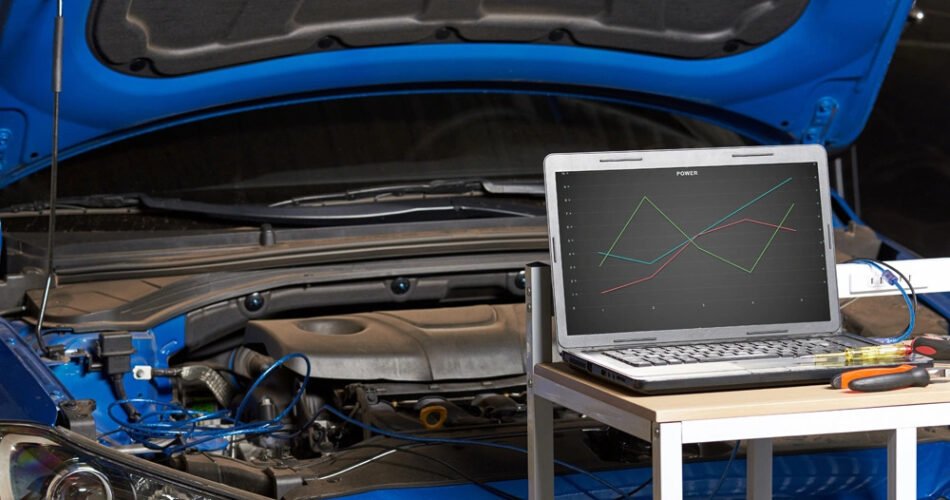
Modern automobiles are essentially rolling networks of computers. While older cars relied almost entirely on mechanical linkages, today’s vehicles depend on dozens of interconnected electronic control units (ECUs), microcontrollers, and sensors to manage everything from fuel injection and ignition timing to anti-lock braking and climate control. When something goes wrong beneath the hood, guesswork is no longer an option. Computerized vehicle diagnostics bridge the gap between complex onboard electronics and practical mechanical repair, allowing technicians to pinpoint faults with speed and precision.
Understanding the Role of On-Board Diagnostics (OBD-II)
At the heart of computerized diagnostics is the On-Board Diagnostics (OBD-II) system. Standardized across modern passenger vehicles, this system continuously monitors the performance of critical components—such as the engine, transmission, exhaust system, and emissions controls. Every time you turn the ignition key, the vehicle’s central computer runs self-checks on hundreds of parameters, including air-fuel ratios, coolant temperatures, camshaft positions, and oxygen sensor voltages.
When a reading falls outside the manufacturer’s acceptable threshold, the system logs a Diagnostic Trouble Code (DTC) in its memory and triggers a dashboard warning light, most commonly the Check Engine Light. Technicians connect specialized diagnostic scanners to the vehicle’s 16-pin OBD-II port—typically located beneath the driver-side dashboard—to retrieve these stored codes. Rather than disassembling components blindly, a mechanic immediately knows which subsystem is reporting an anomaly.
Decoding Trouble Codes and Live Sensor Data
Retrieving a five-character trouble code—such as P0301 for a cylinder misfire or P0171 for a lean fuel mixture—is only the starting point. A fault code identifies the symptom or affected circuit, not necessarily the exact broken part. For example, a catalytic converter efficiency code might stem from a failing oxygen sensor or a minor exhaust leak rather than a ruined converter.
Advanced diagnostic platforms go far beyond basic code reading by providing two critical layers of insight:
-
Freeze-Frame Data: Whenever a fault triggers a code, the vehicle’s computer takes a snapshot of operating conditions at that exact moment—capturing engine RPM, vehicle speed, engine load, and coolant temperature. This helps technicians replicate intermittent issues that only appear under specific driving conditions, such as climbing a steep incline or cruising at highway speeds.
-
Live Data Streaming: Modern scanners display real-time sensor feeds while the engine runs. Mechanics can graph fuel trims, ignition timing, and manifold pressure simultaneously to spot sluggish sensors or electrical resistance before a component fails completely.
Bi-Directional Control and System-Wide Coverage
Today’s vehicles house distinct control modules for Anti-Lock Braking Systems (ABS), Supplemental Restraint Systems (airbags), automatic transmissions, power steering, and Advanced Driver-Assistance Systems (ADAS). Entry-level code readers only communicate with the powertrain, leaving deeper body and chassis electronics unchecked.
Professional-grade diagnostic computers communicate across all vehicle networks and offer bi-directional control (also known as active testing). Instead of passively listening to the car’s computer, a technician can send commands back to individual components—cycling ABS solenoids, activating cooling fans, testing fuel injectors, or recalibrating electronic throttle bodies without removing a single bolt. This active verification confirms whether a component is physically seized or simply suffering from a wiring fault, dramatically cutting down labor hours.
Why Professional Diagnostics Matter in Demanding Driving Environments
Harsh driving conditions—such as extreme summer heat, fine desert dust, and stop-and-go highway traffic—place immense strain on modern automotive electronics, cooling systems, and sensors. In regions where vehicles regularly endure high ambient temperatures, minor sensor drift or cooling inefficiency can quickly escalate into severe engine overheating or transmission damage. Seeking specialized Computer Diagnostics Dubai services ensures that luxury, European, and high-performance vehicles are scanned with dealership-grade software capable of reading manufacturer-specific protocols. Accurate electronic testing protects drivers from unnecessary part replacements and keeps complex climate-control and engine-management systems operating reliably under peak thermal stress.
Key Benefits for Vehicle Owners and Workshops
Integrating computerized diagnostics into routine vehicle maintenance offers tangible advantages for both everyday drivers and automotive service centers:
-
Elimination of Trial-and-Error Repairs: Pinpointing the root cause prevents mechanics from swapping expensive components based on guesswork, saving car owners significant money on unnecessary parts.
-
Preventive Fault Detection: Scanning pending codes and readiness monitors during routine servicing catches developing issues—such as weak battery voltage, clogged fuel injectors, or failing thermostats—before they leave you stranded on the roadside.
-
Faster Turnaround Times: Automated system scans and active component tests compress hours of manual multimeter troubleshooting into minutes, getting vehicles back on the road faster.
-
Accurate Used-Car Inspections: Reviewing stored history codes and emission readiness monitors reveals whether a seller recently cleared dashboard warning lights right before a test drive.
As automotive engineering continues to evolve with hybrid powertrains, electric architectures, and autonomous safety sensors, computerized vehicle diagnostics remain indispensable. Combining dealership-level scanning technology with experienced mechanical interpretation ensures modern cars stay safe, efficient, and dependable for years to come.