Competitive sports place extraordinary demands on the human body, requiring athletes to generate explosive power, change direction rapidly, absorb impact, and sustain coordination under fatigue. Meeting those demands consistently is not simply a matter of talent or conditioning; it depends on how efficiently the body moves and how well it has been prepared for the specific stresses of a given sport. Athletes who overlook movement quality often find themselves battling recurring injuries, performance plateaus, or compensation patterns that limit their potential. For this reason, serious competitors increasingly turn to specialized rehabilitation and performance professionals who understand the biomechanics of sport and the importance of proactive preparation rather than reactive treatment.
When athletes search for Sports Physical Therapy Near Me, they are often looking for more than a clinic close to home; they are seeking a practitioner who can evaluate movement deficits, design targeted training programs, and guide them safely through the transition from rehabilitation back to competition. The demand for sport-specific care has grown as youth athletes, weekend competitors, and professionals recognize that proper preparation reduces injury risk and improves performance. A skilled therapist assesses sprint mechanics, landing strategies, rotational control, and balance, then builds interventions around the athlete’s unique needs. This personalized approach helps athletes meet the physical demands of their sport with greater confidence and durability.
Understanding Sports Physical Therapy Near Me and Its Importance
To appreciate why specialized sports rehabilitation matters, it helps to understand what distinguishes it from general physical therapy. A provider offering Sports Physical Therapy Near Me focuses on the athletic population’s specific requirements, including power generation, rapid deceleration, agility, and neuromuscular control under load. The evaluation often includes video gait analysis, functional movement screening, strength testing, and sport-specific drills that reveal how an athlete moves when challenged. The importance of this process lies in its ability to identify compensations that may not cause immediate pain but can undermine performance or lead to injury over time. For example, an athlete with restricted ankle mobility may compensate at the knee and hip, increasing stress on those joints during running and jumping. By correcting these underlying issues through targeted movement training, therapists help athletes restore efficient mechanics and reduce the likelihood of future setbacks.
Importance of Professional Movement Training for Athletic Performance
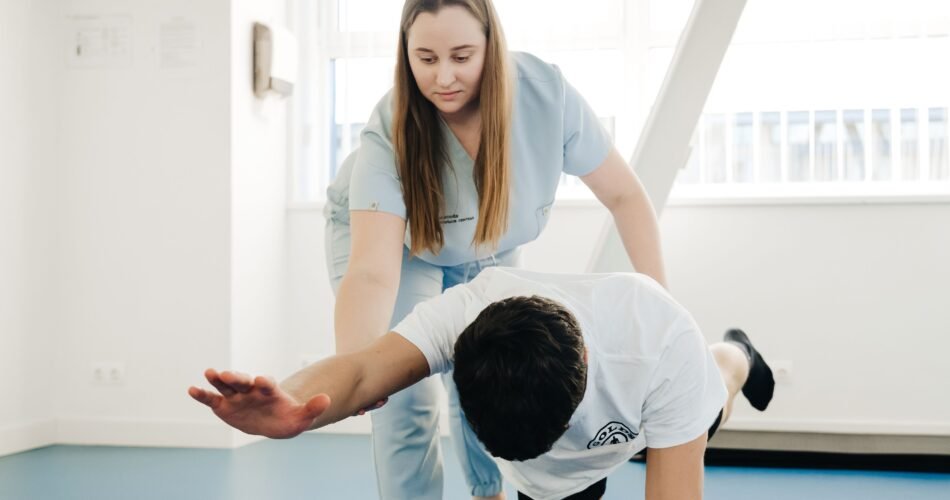
Professional movement training is essential because athletic strength and coordination are not developed through isolated muscle exercises alone; they emerge from the integration of mobility, stability, and neuromuscular control. A qualified therapist designs programs that teach athletes how to absorb force, generate power, and transition smoothly between movement phases. This includes exercises for single-leg stability, deceleration mechanics, plyometric progressions, and rotational control that mirror the demands of the athlete’s sport. Without professional guidance, athletes may prioritize heavy lifting or high-intensity drills while neglecting foundational movement quality, which can reinforce dysfunctional patterns and increase injury risk. Movement training also incorporates education about recovery, load management, and proper warm-up routines, giving athletes practical tools to maintain performance throughout a demanding season.
Services or Features Related to Sports Rehabilitation
The services and features associated with comprehensive sports rehabilitation extend well beyond traditional strengthening exercises. Athletes can expect functional movement assessments that identify asymmetries and deficits, manual therapy to restore joint mobility and soft tissue extensibility, and sport-specific conditioning that replicates competition demands. Many clinics offer return-to-sport testing that measures strength, power, agility, and endurance against established benchmarks, ensuring that athletes are physically prepared before resuming full activity. Balance and proprioception training are often included to improve joint stability, particularly after lower-extremity injuries such as ankle sprains or ACL reconstruction. Therapists may also incorporate video analysis to provide visual feedback on running, jumping, and cutting mechanics. Patient education on recovery strategies, hydration, and sleep further supports the athlete’s overall readiness and long-term development.
Choosing the Right Sports Physical Therapy Near Me Provider
Selecting the right provider requires careful consideration of clinical expertise, sport-specific experience, and communication style. When evaluating Sports Physical Therapy Near Me options, athletes should ask whether the therapist has advanced training in sports rehabilitation and experience working with their particular sport or injury. A clinic that offers one-on-one sessions and individualized programming is generally preferable to one that relies on group-based routines or unlicensed aides. It is also important to discuss return-to-sport criteria and whether the provider uses objective testing rather than subjective timelines. Convenience and scheduling flexibility matter for athletes balancing training, work, and family commitments, but they should not overshadow quality of care. Reading reviews, requesting physician referrals, and scheduling an initial consultation can help athletes determine whether a provider’s philosophy aligns with their performance goals.
Quality Safety and Industry Standards in Sports Therapy
Quality and safety in sports physical therapy are governed by professional licensure, evidence-based practice guidelines, and strict clinical standards that protect athletes during rehabilitation. Licensed therapists complete rigorous education and continuing training to remain current with advances in sports medicine, exercise science, and injury prevention. Clinics should maintain clean, well-equipped facilities with appropriate testing equipment and sanitized treatment areas. Safety protocols include thorough medical screening, gradual progression of load and intensity, and clear communication about warning signs that warrant modification of activity. Informed consent and patient confidentiality are fundamental ethical requirements, and athletes should feel comfortable asking about the therapist’s qualifications and the clinic’s safety record. Adherence to these standards ensures that rehabilitation is both effective and responsibly delivered.
Benefits of Hiring or Using Professional Services
The benefits of professional sports rehabilitation extend beyond injury recovery and into sustained athletic performance. Athletes who work with skilled therapists often experience improved movement efficiency, greater power output, and reduced risk of re-injury. They gain a deeper understanding of their bodies, including how to warm up effectively, manage training loads, and recognize early signs of fatigue or dysfunction. For young athletes, professional movement training can establish sound mechanical habits that support long-term development and reduce the risk of overuse injuries. For competitive adults, rehabilitation and performance training help maintain consistency across seasons and extend athletic careers. The educational component of care empowers athletes to take ownership of their preparation and recovery, making professional services a valuable investment in both health and performance.
Future Trends and Industry Development
The field of sports physical therapy is evolving rapidly, driven by advances in wearable technology, data analytics, and a deeper understanding of neuromuscular control. Future trends include the use of inertial sensors and mobile applications to quantify movement quality during training and rehabilitation, allowing therapists to make data-informed adjustments to programs. Telehealth consultations are expanding access to expert guidance for athletes in remote areas or with demanding schedules. Artificial intelligence is beginning to support movement analysis and injury-risk screening, helping clinicians identify subtle deficits that might otherwise go unnoticed. There is also a growing emphasis on prehabilitation and long-term athletic development, with therapists collaborating more closely with coaches and strength staff. These developments suggest that sports rehabilitation will become increasingly precise, accessible, and integrated into athletic performance programs.
Conclusion:
Preparing the body for the physical demands of competitive sports requires more than determination and hard training; it requires expert guidance, objective assessment, and a structured approach to movement quality. Sports Physical Therapy Near Me represents a specialized resource that helps athletes recover from injury, correct dysfunctional patterns, and build the strength and coordination needed to perform at their best. By choosing a qualified provider who prioritizes individualized care, evidence-based practice, and sport-specific testing, athletes can reduce injury risk and return to competition with greater confidence. Investing in professional sports rehabilitation is an investment in long-term athletic health and consistent performance. We encourage athletes and active individuals to consult with a trusted sports physical therapist and take the next step toward stronger, more resilient movement.