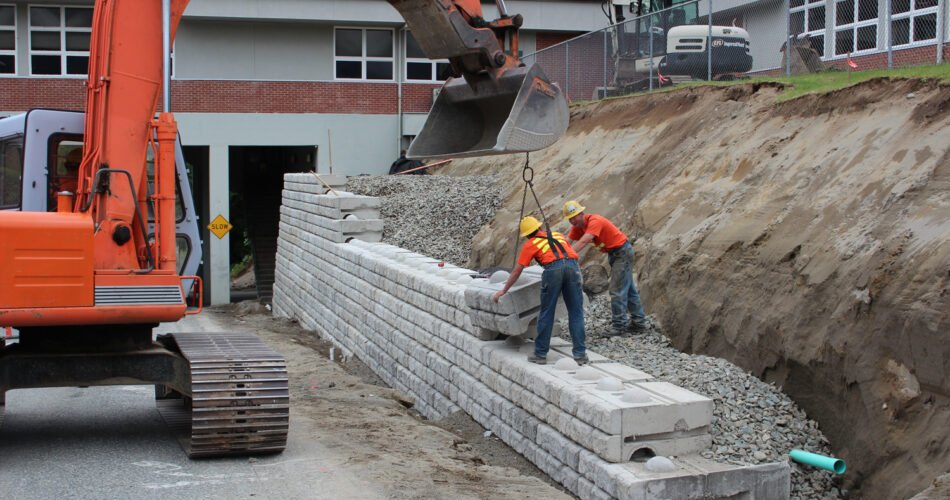
A well built retaining wall can improve your property’s appearance while making sloped outdoor areas more useful and stable. Whether you want to control soil movement, create level garden spaces, or improve the layout of your backyard, a professionally constructed wall can make a significant difference. Choosing an experienced retaining wall builder is important because proper planning, material selection, and drainage all affect the finished structure. For homeowners in Michigan, these details are especially important due to seasonal rainfall, freezing temperatures, and changing ground conditions.
Why Hire Professional Retaining Wall Contractors?
When searching for retaining wall contractors near me, homeowners should look beyond appearance and consider the quality of construction. A retaining wall must hold back soil while managing water pressure and supporting the surrounding landscape. Poor installation can lead to leaning walls, shifting materials, drainage problems, and uneven ground.
Professional contractors understand how to evaluate soil conditions, determine appropriate wall placement, and prepare a stable foundation. They can also recommend suitable construction methods based on the property’s slope, available space, and intended use.
For homeowners in Holly, Ortonville, West Bloomfield, and Bloomfield Hills, choosing a contractor familiar with Michigan properties can make planning easier. Local ground conditions and seasonal weather should be considered before construction begins.
A properly designed retaining wall can provide several benefits, including:
- Better management of sloped areas.
- Reduced soil erosion.
- More usable outdoor space.
- Improved garden and landscape organization.
- A more attractive and structured backyard.
Choosing the Right Retaining Wall Materials
The material you choose affects your wall’s appearance, durability, maintenance, and overall project cost. Different materials work better for different property styles and landscape requirements.
Concrete Retaining Wall Blocks
Concrete blocks are a popular choice for residential retaining walls. They are available in different shapes, textures, and colors, making it possible to create both traditional and modern outdoor designs.
These blocks are designed for landscape construction and can provide dependable support when installed with the appropriate foundation and drainage system.
Natural Stone Retaining Walls
Natural stone offers a distinctive appearance that blends well with gardens, trees, and other outdoor features. Each stone has its own shape and texture, creating a more natural landscape design.
Stone walls are often selected by homeowners who want their outdoor improvements to complement the existing surroundings.
Decorative Landscape Walls
Decorative retaining walls can define garden beds, separate outdoor areas, and create visual interest. They are particularly useful for properties where landscaping and appearance are important considerations.
Before selecting a material, consider the wall’s height, soil conditions, intended purpose, and surrounding landscape. A professional evaluation can help determine which option is appropriate for your property.
Important Steps in Retaining Wall Construction
A successful retaining wall project requires careful preparation. Each stage contributes to the wall’s stability and long term performance.
Site Evaluation and Planning
The first step involves evaluating the property and identifying the areas where soil needs support. Contractors consider the slope, soil type, available space, nearby structures, and water movement.
The wall’s height, length, and layout are then determined according to the property’s requirements. Taller walls or walls supporting significant loads may require engineering plans and permits.
Excavation and Foundation Preparation
Once the design is established, the construction area is excavated. A properly prepared foundation helps distribute the wall’s weight and reduces the risk of uneven movement.
A compacted gravel base is commonly used to provide stability. The first course of blocks or stones must also be positioned carefully because it determines the alignment of the remaining structure.
Drainage and Wall Installation
Drainage is one of the most important parts of retaining wall construction. Water that collects behind a wall can create pressure and contribute to structural problems.
Contractors may use drainage stone, perforated pipes, and suitable backfill materials to help direct water away from the structure.
The wall is then constructed in planned layers, with attention to alignment, stability, and proper backfilling. Following the correct installation process helps the finished wall perform as intended.
Retaining Wall Design Ideas for Michigan Backyards
A retaining wall does not have to look like a purely functional structure. With thoughtful planning, it can become an attractive part of your outdoor living space.
Homeowners can consider several design possibilities depending on their property’s layout.
- Tiered retaining walls: Multiple levels can make steep yards more manageable while creating space for planting beds.
- Garden retaining walls: Defined garden sections help organize flowers, shrubs, and decorative plants.
- Patio support walls: Retaining walls can help create level areas for outdoor seating and entertainment.
- Decorative stone walls: Natural textures can add character and complement existing landscaping.
- Landscape border walls: Lower walls can separate lawns, planting areas, and walkways.
Combining retaining walls with paver patios, garden pathways, and landscape design can create a more connected outdoor environment.
For Michigan homeowners, it is also important to consider how rainwater and melting snow move across the property. A good design should support proper drainage while maintaining the appearance of the surrounding yard.
Maintaining Your Retaining Wall Over Time
Even a professionally installed retaining wall benefits from regular inspections. Basic maintenance can help homeowners identify potential concerns before they become more serious.
Check the wall periodically for leaning sections, unusual gaps, loose blocks, or visible movement. Pay attention to drainage outlets and make sure leaves, dirt, and other debris are not blocking water flow.
Keep soil and mulch at appropriate levels around the structure. Avoid placing heavy equipment or additional loads near the top of the wall unless the structure was designed to support them.
After periods of heavy rainfall or winter freezing, inspect the surrounding ground for signs of erosion or water accumulation.
If you notice significant movement, bulging, or drainage concerns, contact a qualified professional for an evaluation. Addressing these issues early can help protect the wall and surrounding landscape.
Homeowners in Holly, Ortonville, West Bloomfield, and Bloomfield Hills planning outdoor improvements can work with Driftwood Landscape – Pavers & Retaining Walls for retaining wall construction, paver patio installation, and landscape design. Coordinating these services can help create a balanced outdoor space where structural features, patios, and natural landscaping complement one another.
Frequently Asked Questions
How long does retaining wall installation take?
The timeline depends on wall height, length, materials, site conditions, and drainage requirements. Smaller residential projects may take a few days, while larger installations can take longer.
What is the best material for a residential retaining wall?
Concrete retaining wall blocks are a popular option because they offer different styles and reliable performance. Natural stone is another attractive choice for homeowners who prefer a traditional landscape appearance.
Do retaining walls need drainage?
Yes. Proper drainage helps prevent water from building up behind the wall and creating excessive pressure. Drainage stone and suitable piping are commonly used during construction.
Can a retaining wall help with soil erosion?
Yes. A properly designed retaining wall can help hold soil in place and manage sloped areas. Proper grading and water management are also important for controlling erosion.
Do I need a permit to build a retaining wall in Michigan?
Permit requirements depend on the wall’s height, location, design, and local regulations. Contact your local building department to confirm the requirements before starting construction.
Conclusion
A retaining wall can make a major difference in how your property looks and functions. From controlling soil erosion to creating level garden areas and supporting outdoor living spaces, professional construction provides practical and visual benefits. Choosing the right materials, preparing a stable foundation, and including proper drainage are essential for a successful project.
If you are looking for a reliable retaining wall builder in Michigan, take time to choose a professional who understands your property’s needs and outdoor design goals.
Ready to improve your landscape? Call Now to discuss your retaining wall project and Schedule Your Service!