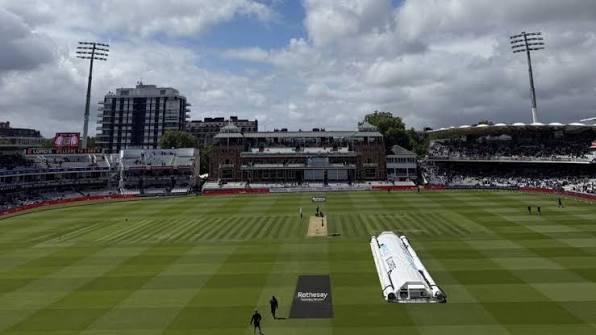
When a captain brings a bowler back from the opposite end, the change can appear minor because the same player still has the ball. Yet the surroundings and the angle of the contest may feel different. The decision can concern the batter, the available field, the bowler’s preference or the captain’s wider rotation plan. Understanding it begins by asking which problem the change is intended to address.
Observe the evidence from each end
Before the change, compare how deliveries have behaved from both directions. Are batters judging the bounce similarly? Does one approach appear to offer a more useful angle? The answers should come from the passage of play rather than an assumption that every ground has an obviously favourable end.
Conditions are only part of that assessment. The bowler’s release and the batter’s stance also shape what happens. A different player may use the same end in a different way, so the previous result is a clue rather than a guarantee that the next spell will follow the same pattern.
The introduction to reading cricket pitch conditions provides useful background on observing the surface. For an end change, the key is to move beyond a general label such as batting-friendly and identify the particular challenge the captain wants the bowler to create.
Consider the batter’s preferred options
A batter may have become comfortable with a repeated angle or a familiar view of the delivery. Changing the bowler’s end can form part of an attempt to present something different. The captain may also adjust the field at the same time, so the end change should be read as part of the whole plan.
Watch the first few deliveries after the switch. Does the batter change position, leave different balls or choose another scoring area? Those responses provide a more concrete explanation than saying the captain wanted to try something new. The useful question is what became harder or easier for the striker.
Look at how the bowling pair works together
Moving one bowler can affect who operates from the other end. A captain may want two styles to complement each other, or may be rearranging the sequence so a particular player can return against a different batter. The decision therefore concerns the attack as a group, not only one individual’s spell.
The feature on pace bowlers in world cricket offers related reading about a range of bowling threats. During a match, compare how the two ends work together. One bowler may restrict easy scoring while another uses a more attacking field, and their roles may change as the partnership develops.
Give the adjustment time to reveal its purpose
A wicket immediately after a switch attracts attention, but one delivery is a limited basis for judging the entire decision. An edge can miss the field, and a carefully planned ball can be played well. Look for whether the change produces the intended line of attack consistently.
If the new arrangement offers no clear benefit, the captain may revise it again. That is part of managing a changing contest. Following the reasons for the adjustment makes bowling changes more interesting than simply counting the overs in a spell. The end matters when it helps the players carry out a plan suited to the batter and the situation.