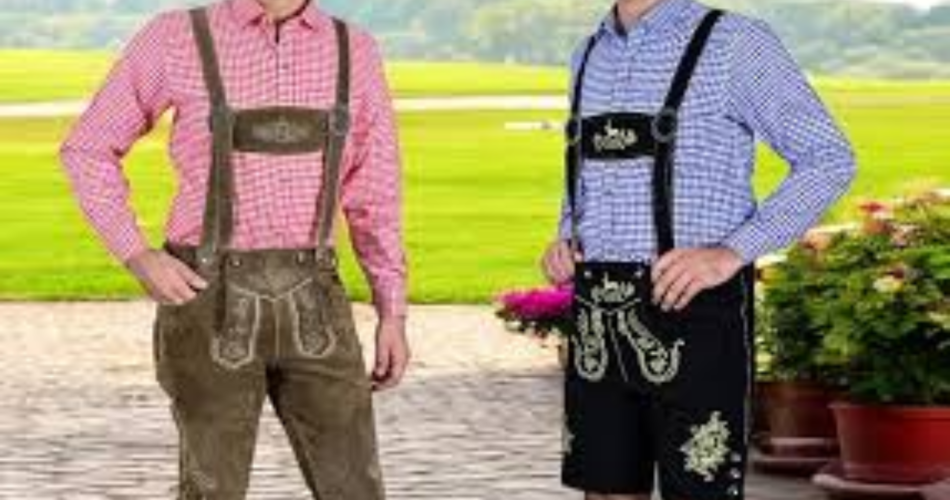
Traditional Bavarian clothing continues to capture attention for its craftsmanship, cultural significance, and historical depth. Among the most distinctive pieces, men’s embroidered lederhosen hold a special place as garments that combine practicality with artistic heritage. These garments are more than attire; they represent centuries of Alpine tradition, reflecting the skills and creativity of local artisans who shaped the clothing to reflect both function and regional identity. The heritage patterns and designs found in men’s embroidered lederhosen remain essential for preserving Bavarian cultural continuity while offering a tangible connection to the past.
The enduring appeal of embroidered lederhosen lies in their ability to merge utility with artistic expression. Each element, from leather selection to intricate stitching, tells a story rooted in the customs, landscapes, and daily lives of Alpine communities.
The Historical Roots of Embroidery in Lederhosen
Embroidery has long been a defining feature of Bavarian garments, serving both decorative and symbolic purposes. In Alpine regions, skilled artisans developed motifs that reflected local flora, fauna, and cultural traditions. The patterns often indicated regional origin, social status, or occupation, creating a visual language understood across communities.
Common historical motifs include:
- Edelweiss flowers, representing Alpine heritage
- Oak leaves, symbolizing strength and endurance
- Deer and hunting designs, reflecting rural life
- Vine-inspired or wildlife motifs unique to specific regions
These motifs allowed wearers to display personal and community identity while maintaining the functional advantages of leather clothing.
Leather Selection and Its Influence on Design
The choice of leather is fundamental to authentic embroidered lederhosen. Traditional artisans selected hides for durability, texture, and their ability to hold stitching while maintaining flexibility. Commonly used materials include:
- Deerskin: prized for softness and longevity
- Goatskin: durable yet pliable for comfortable wear
- Cowhide: robust for heavy use
- Premium suede: offering a smooth finish suitable for detailed embroidery
The natural qualities of these leathers influence the way embroidery is applied, affecting both visual contrast and the overall aesthetic of heritage designs. At elederhosen, premium materials are carefully selected to ensure that embroidery patterns retain their clarity and durability while preserving the traditional character of the garment.
Handcrafted Stitching Techniques
Handcrafted stitching distinguishes authentic men’s embroidered lederhosen from mass-produced alternatives. Artisans apply each stitch with precision, often following traditional patterns passed down through generations. The combination of consistent technique and artistic interpretation ensures that each garment maintains a high level of craftsmanship.
Common stitching approaches include:
- Satin stitches for floral motifs
- Chain stitches for vines or curved patterns
- Reinforced stitching along seams to enhance durability
These techniques not only reinforce the garment structurally but also contribute to the overall visual identity of the embroidery.
Regional Variations in Heritage Designs
One of the most fascinating aspects of embroidered lederhosen is the variety of regional patterns. Different communities developed their own distinctive motifs, often influenced by local wildlife, vegetation, and cultural customs. For example:
- Upper Bavaria: intricate deer and forest motifs
- Tyrol regions: bold floral patterns with prominent edelweiss
- Alpine valleys: subtle vine and mountain designs
These variations allowed garments to serve as markers of local identity, reflecting the rich diversity within Bavarian culture.
Functional Elements Integrated with Decoration
Heritage embroidery on lederhosen was never purely ornamental. Patterns were carefully integrated with functional design elements. For instance:
- Side laces and suspender straps were often accented with matching embroidery
- Reinforced panels combined decorative stitching with structural integrity
- Pockets were highlighted with motifs that enhanced visibility and aesthetic appeal
This integration ensured that embroidery enhanced the garment without compromising its practicality or comfort.
Preserving Cultural Identity Through Embroidery
The heritage patterns on men’s lederhosen serve as more than decoration—they preserve and communicate Bavarian cultural identity. Each motif carries meaning, connecting the wearer to historical practices, Alpine landscapes, and local traditions.
By continuing to incorporate these designs into contemporary garments, artisans and manufacturers help maintain a visible link to Bavarian history. The embroidery serves as a storytelling medium, allowing wearers to participate in a cultural narrative that has been ongoing for centuries.
Contemporary Relevance of Heritage Embroidery
While embroidered lederhosen originated as practical workwear, they remain highly relevant in modern cultural contexts. They are frequently worn during:
- Oktoberfest and regional folk festivals
- Traditional weddings and ceremonies
- Heritage celebrations and community events
- Cultural exhibitions and Bavarian-themed gatherings
The continued use of heritage embroidery ensures that modern garments maintain a direct connection to historical practices, reinforcing their authenticity and cultural value.
The Role of Authentic Artisanship
Creating high-quality embroidered lederhosen requires expertise and attention to historical detail. Skilled artisans must balance structural integrity with aesthetic precision. This includes selecting appropriate leather, choosing historically accurate motifs, and executing stitching with care.
Manufacturers such as elederhosen emphasize traditional techniques and premium materials to maintain the authenticity of these heritage garments. This dedication ensures that each pair of embroidered lederhosen continues to represent genuine Bavarian craftsmanship.
Why Collectors and Enthusiasts Value Embroidery
Collectors, cultural enthusiasts, and heritage advocates often place significant value on embroidered lederhosen because the designs preserve a visual record of historical craftsmanship. The motifs and patterns not only reflect aesthetic preferences but also convey information about regional origins, artisan skill, and historical context.
Owning a pair of authentic embroidered lederhosen allows enthusiasts to appreciate the artistry while maintaining a tangible connection to Alpine traditions.
Conclusion
Men’s embroidered lederhosen preserve Bavaria’s cultural legacy through carefully crafted heritage patterns, premium leather, and time-honored stitching techniques. The motifs reflect centuries of Alpine artistry and community traditions, linking modern wearers to a rich historical narrative. By maintaining authenticity in both materials and design, embroidered lederhosen continue to serve as functional garments, cultural artifacts, and examples of artisan skill. Through the dedication of craftsmen and heritage-focused manufacturers such as elederhosen, these garments continue to preserve the patterns and designs that define Bavarian tradition for generations to come.