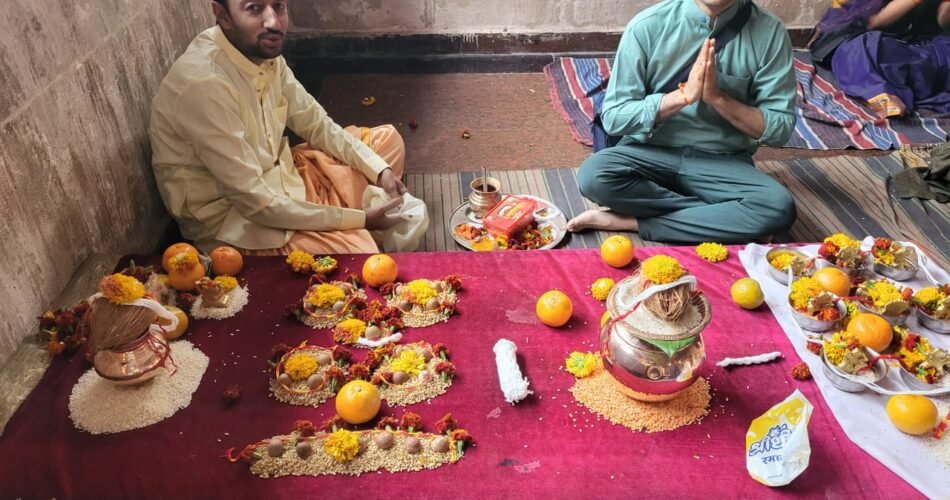
Mangalnath Mandir Ujjain is one of the well-known ancient temples of Ujjain, Madhya Pradesh, and holds an important place among devotees who worship Lord Shiva and seek blessings connected with Mars, known as Mangal in Hindu astrology. Located in the peaceful surroundings of Ujjain, the temple attracts pilgrims throughout the year. Its spiritual atmosphere, traditional rituals, and association with Lord Mars make it a significant destination for devotees visiting the sacred city of Mahakal.
According to traditional beliefs, Mangalnath is associated with the birthplace of Mangal Graha. Because of this connection, devotees visit the temple for Mangal-related worship, prayers, and religious rituals. Many people also consider this temple an important place for Mangal Dosh Puja and other Vedic rituals performed under the guidance of knowledgeable priests.
History and Religious Importance of Mangalnath Mandir
Ujjain has been an important center of Hindu spirituality, astronomy, and temple traditions for centuries. Mangalnath Mandir is closely connected with the religious history of the city. Ancient Hindu traditions associate this sacred place with Lord Mars and Lord Shiva.
Devotees believe that worshipping at Mangalnath Mandir can bring divine blessings and spiritual peace. The temple’s location near the Kshipra River further adds to its religious significance. Many visitors combine their temple visit with prayers and other rituals at important spiritual places across Ujjain.
The temple is particularly associated with Tuesday worship because Tuesday is traditionally dedicated to Mangal Graha. Devotees may offer prayers, flowers, lamps, and other traditional offerings according to the customs followed at the temple.
Mangal Dosh and Mangalnath Mandir Ujjain
In Vedic astrology, Mangal Dosh is traditionally associated with the placement of Mars in certain houses of a person’s birth chart. Some people believe that Mangal Dosh may create challenges related to marriage, relationships, family life, or other areas. These beliefs are part of traditional astrology and should be understood within that cultural and religious context.
For devotees who wish to perform religious remedies, Mangalnath Mandir is considered an important pilgrimage destination. Mangal Dosh Puja may involve specific Vedic mantras, Sankalp, offerings, prayers, and other rituals. The exact procedure can vary according to the priest, family tradition, and purpose of the worship.
Those planning a puja can discuss their birth details and ritual requirements with a qualified priest before selecting the appropriate ceremony.
Mangal Bhat Puja at Mangalnath
Mangal Bhat Puja is another ritual associated with Mangal worship in Ujjain. Devotees may choose this type of puja as part of their traditional religious practices for Mangal-related concerns.
The ceremony generally includes Sankalp, invocation of deities, chanting of mantras, offerings, and prayers. Families may participate in the ritual together and seek blessings for peace, prosperity, harmony, and positive spiritual energy.
If you are planning to visit Mangalnath Mandir for a specific puja, it is useful to confirm the ritual requirements, suitable date, timing, and arrangements in advance.
Best Time to Visit Mangalnath Mandir
Mangalnath Mandir can be visited throughout the year. However, Tuesday is traditionally considered significant for worship connected with Mangal Graha. Religious occasions and festivals can also attract larger numbers of devotees.
Morning hours are often preferred by pilgrims because the temple environment is generally peaceful and suitable for prayer. Before planning your visit, check the current temple schedule and local arrangements, particularly during festivals and major religious events.
Ujjain experiences different weather conditions during summer, monsoon, and winter. Visitors should consider the season while planning their journey and temple visits.
Puja Process at Mangalnath Mandir
The process of performing a puja can differ depending on the type of ceremony selected. A traditional ritual may begin with Sankalp, followed by prayers to Lord Ganesha, Lord Shiva, Mangal Graha, and other associated deities. Vedic mantras are then recited, offerings are made, and the ceremony concludes with Aarti and blessings.
For astrology-related pujas, the priest may ask for details such as the devotee’s name, date of birth, birth time, and birthplace. These details may be used according to the customary practices followed for the particular ritual.
Devotees should understand the ceremony beforehand and confirm all arrangements with the priest or temple authority.
Why Devotees Visit Mangalnath Mandir
There are several traditional and spiritual reasons people include Mangalnath Mandir in their Ujjain pilgrimage. Some visitors come because of their devotion to Lord Shiva, while others are interested in the temple’s connection with Mangal Graha. Families may also visit for special prayers, religious ceremonies, or traditional astrology-related rituals.
The peaceful setting and ancient religious association make the temple a memorable part of a Ujjain pilgrimage. Visitors can spend time in prayer and then continue their journey to other important temples and spiritual locations in the city.
For devotees looking for information about Mangal Dosh Puja, Mangal Bhat Puja, and related rituals in Ujjain, mangalnathmandirujjain.in provides information about these traditional services and puja arrangements.
Plan Your Ujjain Temple Visit
A visit to Mangalnath Mandir can be included in a wider Ujjain religious tour. Pilgrims often plan visits to several important temples during their stay, allowing enough time for darshan, prayer, and traditional ceremonies.
Before traveling, it is advisable to confirm temple timings, puja availability, required materials, and other arrangements. Booking a ritual in advance can also help organize the visit smoothly, especially during busy religious periods.
Conclusion
Mangalnath Mandir Ujjain is an important spiritual destination associated with Lord Shiva and Mangal Graha. Its ancient traditions, religious significance, and connection with Mangal worship make it a popular place among devotees visiting Ujjain. Whether you come for darshan, prayer, Mangal Dosh Puja, Mangal Bhat Puja, or simply to experience the spiritual atmosphere, the temple offers an opportunity to connect with Ujjain’s rich religious heritage.
A planned visit, proper understanding of the chosen ritual, and guidance from a knowledgeable priest can make your pilgrimage more meaningful. For anyone exploring the sacred temples of Ujjain, Mangalnath Mandir remains an important destination connected with centuries-old Hindu traditions and devotion.