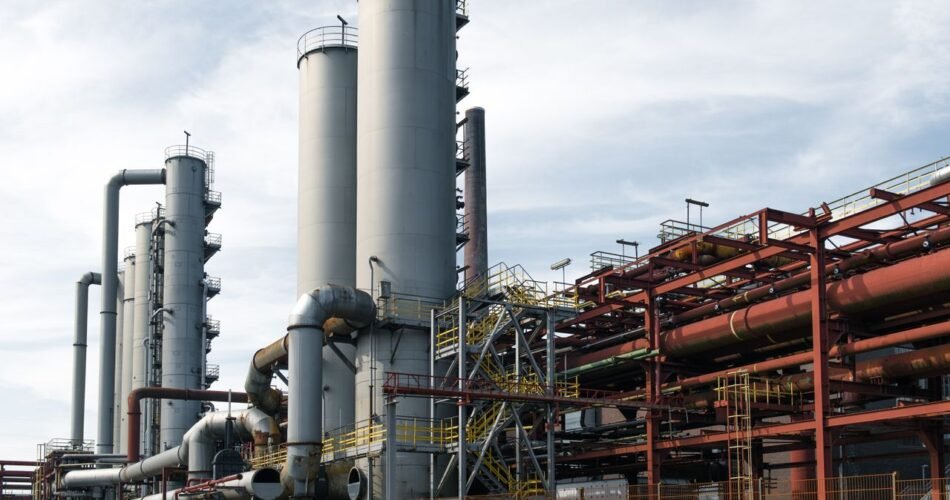
Industrial plants use boilers to generate the steam needed for their production processes, heating, and other needs. However, boiler plants are prone to issues that lead to higher energy costs, poor performance, and breakdowns. The selected boiler may be too big or too small for the facility’s needs, contributing to poor performance and extra expenses.
Proper boiler sizing ensures that the equipment chosen for the facility fits its needs in terms of steam and heat generation. This assessment helps facilities avoid extra energy costs and maintain their plants’ performance. It also aids in identifying the most appropriate boiler size for the given application.
In this article, we discuss how the proper boiler size selection can prevent energy wastage and help facilities run efficiently.
1. Understanding the Importance of Boiler Sizing
Steam boiler sizing refers to selecting the most appropriate equipment that can supply the required amount of steam and heat to a facility. In other words, the boiler’s capacity should match the facility’s requirements.
While a boiler may seem appropriate to select based on the facility’s demands, the selected equipment must cater to other factors as well. These include the system’s potential for energy efficiency and the equipment’s ability to perform during partial-load cycles.
If a company purchases a boiler that does not account for these details, it may be buying a boiler that is either oversized or undersized.
An appropriately sized steam boiler plant reduces the risks of overspending on energy and buying equipment that is not suitable for the application.
2. Avoiding the Energy Waste of Oversized Boilers
An oversized boiler is a system that is larger than necessary to supply the required amount of heat and steam to a facility.
While it is normal to purchase an oversized boiler in situations that require extra capacity, these plants present several issues. For example, oversized boilers require more energy to run even when they are in low-load cycles.
Furthermore, these systems may require frequent low- and no-load cycles, depending on the facility’s demands for heat and steam. If the steam boiler is not designed to handle these fluctuations, it may suffer from more frequent breakdowns and shorter equipment life.
Alternatively, oversized boilers may experience frequent pressure loss and other issues in their control systems. As a result, facilities end up spending more money on energy and repairs despite purchasing a larger-than-necessary boiler system.
3. Preventing the Issues Presented by Undersized Boilers
While oversized boilers are wasteful of energy, undersized ones create more issues. An undersized boiler refers to a system with a capacity that is smaller than the facility’s demand for heat and steam.
The main issue that undersized steam boilers present is the inability to supply enough energy to meet the facility’s requirements. In most cases, facilities end up purchasing larger boilers or using auxiliary heating equipment to supplement the heat and steam that the undersized boiler plant produces.
In other instances, undersized boilers may need to run at full capacity for longer than intended to avoid production delays that are caused by insufficient heat or steam supply. As a result, these plants are prone to breakdowns and shorter service life.
Facilities must ensure that they do not purchase undersized boiler systems.
4. Ensuring Appropriate Steam Demand
One of the easiest ways to determine the boiler size that will prevent excessive energy costs and performance issues is to assess a facility’s steam demand.
In most cases, a boiler plant is used to provide a consistent supply of steam for industrial processes or to heat water for the facility’s needs. However, the demand for steam varies depending on the time of year, the production schedule, and other factors.
For instance, a food processing facility may require more steam to process raw materials than to heat and sanitise equipment. For this reason, it would be wasteful to have a steam boiler system that can produce more steam than necessary.
Before finalising the choice of the boiler size, the facility manager and engineers must analyse the steam production needs and plan for future demands to avoid purchasing a boiler that is either undersized or oversized.
5. Increasing Fuel Efficiency
Appropriate boiler sizing directly impacts the fuel utilisation of the boiler plant. Depending on the design of the equipment, an appropriately sized boiler can be more efficient than one that is oversized or undersized.
For example, oversized boilers that operate at a low percentage of their capacity are more likely to present issues, such as excessive heat loss during the start-up and shut-down cycles.
Alternatively, undersized boilers are designed to run at full capacity for their intended applications. However, some of these plants may have issues, such as a slow response to increased steam demands.
It is important to note that while boiler size affects the fuel utilisation of the system, other variables also influence this aspect of boiler performance. These variables include the type of burner, insulation, boiler water, pressure, and other factors.
6. Considering the Possibility of a Modular Boiler System
In some cases, facilities may benefit from selecting a modular boiler system to supply their steam and heat. Modular boiler systems are designed to utilise multiple boiler units to supply the required amount of energy in accordance with the facility’s demands for heat and steam.
For example, during periods of low demand for steam, the facility can reduce the number of boiler units it utilises to minimise the amount of energy it consumes. Alternatively, the facility can choose to utilise more units when there is a greater demand for heat.
In addition, modular systems allow facilities to shut down specific units in the case of a malfunction and continue operating with the remaining units. This reduces the risks of production delays and other issues that would be presented by utilising a single boiler.
7. Reducing Maintenance and Running Costs
Appropriate boiler sizing plays a significant role in reducing running and maintenance costs for facilities. An undersized or oversized boiler may incur higher maintenance costs due to the need to run the unit at a higher percentage of its capacity for longer than intended.
Additionally, oversized and undersized boilers are prone to breakdowns due to the strain that this places on the boiler components. While proper boiler sizing is not an absolute indicator of the unit’s likelihood of malfunction, it does contribute to factors that may reduce the service life of the boiler.
It is important to keep in mind that the total cost of ownership of the boiler is an important consideration for facilities. In this regard, appropriate boiler sizing is not the sole determining factor for the most appropriate boiler size.
8. Preparing for Growth
One of the most important aspects of boiler sizing is preparing for future growth. During periods of expansion, facilities may have to invest in new boiler systems to ensure that they can continue to meet the demands of the production processes.
It is important to note that while it may seem prudent to purchase a larger boiler system than necessary, it may incur higher energy costs and present other issues. Therefore, facilities must consult with boiler engineers and other specialists to identify an appropriate plan for expansion that can accommodate future demands for heat and steam.
Conclusion
Appropriate boiler sizing is a crucial consideration for facilities that are looking to minimise energy costs and ensure that their boiler systems continue to generate heat and steam efficiently.
In addition, it helps to avoid unnecessary expenses that are incurred when a facility purchases an oversized or undersized boiler. To prevent these issues, facilities must analyse the demand for steam, the efficiency of the boiler sizes, and other factors.