Reliable connectivity is one of the foundations of a modern communication network. As organizations handle increasing volumes of digital information, fiber optic infrastructure has become essential for transferring data quickly and efficiently. FSG Network supports advanced fiber connectivity requirements with components designed for structured optical systems. Among these components, an Optic Coupler can provide a practical way to establish and organize connections between compatible fiber assemblies.
Fiber optic networks depend on accurate alignment and dependable interfaces to maintain signal transmission. A properly selected coupler can help connect optical components while keeping the physical architecture organized. For data centers, telecommunications facilities, enterprise networks, and structured cabling environments, choosing the right connectivity component can simplify installation and support long-term network management.
What Is an Optic Coupler?
An Optic Coupler is a passive fiber connectivity component used to join compatible optical connector interfaces. Its primary purpose is to provide a stable mechanical connection that keeps the mating connector ends correctly aligned.
Unlike an active networking device, a coupler does not generate, amplify, or electronically process data. It functions as part of the physical fiber infrastructure. This makes it useful in patch panels, fiber distribution systems, enclosures, and other locations where optical cables need to be interconnected.
The internal alignment structure is particularly important because optical fibers have very small cores. Even a slight misalignment can affect how efficiently light passes between connected fiber ends. Quality coupling components are therefore designed to maintain accurate positioning between compatible connectors.
The Importance of Proper Fiber Alignment
Light travels through an optical fiber as a precisely controlled signal. When two fiber assemblies are connected, their cores need to be positioned correctly so that the optical path remains efficient.
An Optic Coupler helps maintain this alignment by holding the connector interfaces in the correct position. The quality of the alignment mechanism can influence the overall performance of a fiber link, especially in networks where multiple connection points are present.
For this reason, network designers should consider more than the external dimensions of a coupler. Connector compatibility, alignment requirements, fiber type, and application specifications should all be reviewed before installation.
Where Couplers Are Commonly Used
Fiber connectivity components are used across many network environments. Data centers frequently rely on structured fiber systems to connect switches, servers, distribution frames, and patching equipment. Telecommunications facilities may use similar arrangements for backbone and distribution networks.
An Optic Coupler can be integrated into suitable adapter panels or fiber enclosures to create organized connection points. This can make it easier to separate permanent cabling from equipment connections and provide a structured method for future changes.
Enterprise networks can also benefit from organized fiber connectivity. As businesses expand their communication infrastructure, a well-planned cabling system can make upgrades and maintenance more manageable.
Supporting Efficient Fiber Management
Fiber management becomes increasingly important as the number of optical connections grows. Unorganized cabling can make troubleshooting more difficult and may increase the risk of accidental disconnection or physical stress.
A properly installed Optic Coupler can contribute to a cleaner connection layout by providing a defined interface between compatible fiber components. When combined with appropriate cable routing and labeling, it can help technicians identify individual connections more easily.
Good management practices also support future expansion. When cables and connection points are clearly organized, additional equipment can often be integrated without unnecessarily disturbing existing infrastructure.
Compatibility Should Come First
Not every fiber connector can be used with every coupling component. Before installation, technicians should verify that the connector type, fiber configuration, and mechanical interface are compatible.
Fiber mode is another important consideration. Single-mode and multimode systems have different operating characteristics, and connectivity components should be selected according to the requirements of the complete optical link.
Connector polish and interface specifications may also affect compatibility. These details should be confirmed through product documentation before components are combined. Selecting compatible parts from the beginning helps reduce installation issues and unnecessary replacement costs.
Protecting Optical Connections
Fiber optic connections require careful handling. Contamination is one of the common causes of connection problems because dust and other particles can interfere with the optical interface.
Before connecting fiber components, technicians should inspect and clean connector end faces using suitable fiber cleaning procedures. Protective caps should remain on unused interfaces to reduce exposure to airborne particles.
An Optic Coupler should also be installed in an environment where it is protected from unnecessary mechanical pressure. Excessive pulling, twisting, or bending of connected cables can place stress on the connector interface and surrounding components.
Fiber Networks in Data Centers
Data centers often require high-density connectivity within a relatively limited physical area. Rack space, patching capacity, and cable organization all influence how the infrastructure is designed.
A well-positioned Optic Coupler can provide an organized interface within a fiber distribution system. It may be used as part of a patching arrangement where technicians need to connect compatible optical assemblies without creating excessive congestion.
The overall design should still account for cable bend radius, airflow considerations, labeling, accessibility, and future maintenance. A connectivity component performs best when it is integrated into a well-planned infrastructure rather than installed as an isolated item.
Installation and Testing Practices
Professional fiber installation involves careful preparation. Before connecting components, technicians should verify connector specifications and inspect the interfaces for contamination or physical damage.
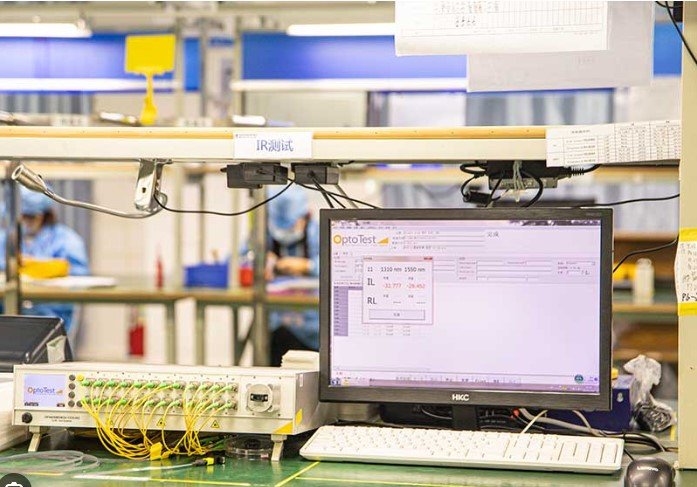
Once the system is connected, appropriate testing can help confirm that the optical path meets the requirements of the network. Depending on the application, testing may include optical loss measurements and connector inspection.
If a link produces unexpected results, technicians can review the connection points, cable routing, connector cleanliness, and component compatibility. Maintaining installation records can also make troubleshooting faster because technicians can refer to documented connection paths.
Choosing Connectivity Components for Future Growth
Network infrastructure should be designed with both current and future requirements in mind. Businesses may add equipment, increase bandwidth, or expand into additional facilities. A rigid cabling system can make these changes more complicated.
A properly planned fiber architecture can provide greater flexibility. An Optic Coupler may form part of that architecture by providing an accessible connection point between compatible fiber assemblies.
However, future planning should include expected fiber counts, connector types, equipment interfaces, available panel capacity, and potential technology upgrades. These factors help determine which connectivity components are appropriate for a particular installation.
FSG Network for Fiber Connectivity Requirements
FSG Network provides fiber connectivity solutions for organizations that depend on reliable optical infrastructure. The company focuses on components that can support structured network environments and practical fiber deployment requirements.
When selecting an Optic Coupler, network professionals should evaluate the complete application, including connector compatibility, optical requirements, physical installation conditions, and planned network architecture. A component that meets these requirements can contribute to a more organized and maintainable fiber system.
The right combination of cables, connectors, couplers, panels, and management accessories allows network designers to create infrastructure that can accommodate changing connectivity demands.
Building Reliable Optical Infrastructure
A dependable fiber network is built through careful component selection and consistent installation practices. Connectivity products should work together as part of a coordinated system rather than being selected independently.
An Optic Coupler can support this approach by creating a controlled interface between compatible optical connectors. When used alongside proper cleaning, inspection, routing, labeling, and testing procedures, it can contribute to a stable fiber infrastructure.
As networks continue to develop, organizations can benefit from connectivity architectures that are easy to understand and maintain. Structured fiber systems can reduce unnecessary complexity while providing a practical foundation for expansion.
Conclusion
An Optic Coupler is an important passive component for connecting compatible fiber optic interfaces in structured communication systems. By maintaining connector alignment and providing an organized connection point, it can support applications across data centers, telecommunications facilities, enterprise networks, and other fiber-based environments.
FSG Network offers fiber connectivity solutions for modern optical infrastructure where reliability, organization, and scalability are important. With careful attention to compatibility, cleanliness, installation, testing, and cable management, network professionals can create fiber systems that provide dependable connectivity while remaining prepared for future expansion.