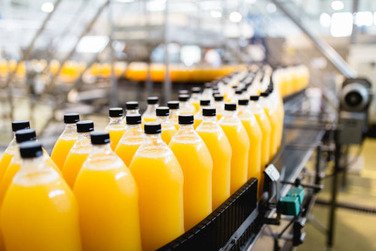
Juice remains an established part of Canada’s beverage landscape, with consumers able to choose from a broad range of fruit juices, juice drinks, blends, and convenient packaged formats. Changing expectations around nutrition, ingredients, convenience, and product information are influencing how consumers evaluate beverage choices.
According to the supplied Vyansa Intelligence analysis, the Canada juice sector was valued at USD 3.49 billion in 2025 and is projected to reach USD 3.77 billion by 2032, representing a 1.11% CAGR from 2026 to 2032.
The projected expansion reflects gradual development within an established category, with product positioning and consumer preferences continuing to shape opportunities for manufacturers.
Health and Nutrition Influence Beverage Choices
Nutrition is an important consideration in Canada’s food and beverage environment. Health Canada’s Dietary Guidelines identify nutritious foods as the foundation of healthy eating and recommend water as the beverage of choice. The guidelines also note that beverages containing free sugars, including 100% fruit juice, can contribute to free-sugar intake when consumed regularly.
This creates an important context for juice producers. Consumers may increasingly compare products based on their nutritional characteristics, ingredient composition, serving sizes, and overall role within their diets.
For manufacturers, transparent communication can help consumers understand what individual products contain and how they differ from other beverage choices.
Product Variety Supports Consumer Choice
The Canadian juice category encompasses different products designed around varied consumer preferences. Traditional fruit juices remain relevant, while blends, fruit drinks, concentrates, and other formulations provide additional options.
This variety gives manufacturers opportunities to differentiate their portfolios through flavor, formulation, packaging, and intended consumption occasion.
Consumers may prioritize familiar flavors when making routine purchases, while new combinations can encourage experimentation and provide opportunities for product innovation.
Ingredient Transparency Is Increasingly Important
Consumers often use food labels to compare products. Canada’s food-labeling framework requires relevant information to be communicated clearly, while voluntary claims must be truthful and not misleading. The Canadian Food Inspection Agency notes that composition claims can highlight characteristics such as the presence or absence of ingredients and claims such as “made with 100% fruit juice.”
For juice manufacturers, clear ingredient and product information can therefore contribute to consumer confidence.
Transparent labeling can also help distinguish between standardized juice products and beverages that contain smaller amounts of fruit juice.
Canadian Labeling Rules Shape Product Positioning
The Canadian Food Inspection Agency provides specific guidance concerning beverages identified with fruit names and the use of juice-related terminology.
For example, products using the word “juice” in their common name are subject to requirements concerning juice content and labeling. The agency also provides guidance on how juice percentages should be communicated for relevant products.
These requirements are important for manufacturers because product names and claims directly affect how consumers understand beverage composition.
Convenience Remains Relevant
Convenience continues to influence packaged beverage consumption. Ready-to-drink products can be used across different occasions, including household consumption, meals, refreshments, and consumption outside the home.
Different package sizes can also address different needs. Larger formats may be suitable for household use, while smaller formats can provide portability.
Packaging therefore plays a practical role in making juice products easier to store, transport, and consume.
Flavor Innovation Creates Opportunities
Flavor development remains an important avenue for differentiation.
Established fruit flavors can provide familiarity, while blends can offer consumers new combinations. Manufacturers can also explore variations in formulation and product presentation to appeal to different preferences.
Innovation does not necessarily require abandoning traditional flavors. Instead, brands can maintain familiar products while introducing selected new offerings that broaden consumer choice.
Retail Availability Influences Purchasing
Retail distribution remains important for packaged juice products. Supermarkets, grocery stores, convenience outlets, and other retailers provide consumers with access to different brands and formats.
Product visibility can influence purchasing decisions, particularly when shoppers compare price, ingredients, package sizes, flavor, and nutritional information.
Online grocery shopping can also provide another route through which consumers discover and purchase packaged beverages.
Product Claims Require Responsible Communication
Health and nutrition-related claims can influence consumer perceptions. However, claims need to accurately reflect a product’s characteristics.
The Canadian Food Inspection Agency states that claims on food labels must be truthful and not misleading, and companies should be able to provide evidence supporting claims.
For juice manufacturers, this reinforces the importance of accurate communication around ingredients, nutritional characteristics, and product composition.
Different Beverage Formats Expand the Category
Juice products can appear in multiple forms, including direct juices, reconstituted juices, juice blends, fruit drinks, and other fruit-based beverages.
Health Canada’s regulatory guidance distinguishes juices from other fruit-based beverage categories, including fruit drinks, fruit nectars, and smoothies.
This product diversity enables manufacturers to address different consumer preferences and consumption occasions.
Sustainability Can Influence Packaging Decisions
Environmental considerations are increasingly relevant to food and beverage packaging. Manufacturers may evaluate packaging materials, resource use, recyclability, transportation requirements, and waste management when developing products.
For juice producers, packaging decisions need to balance environmental considerations with product protection, shelf stability, convenience, and distribution requirements.
Sustainability can therefore become part of broader product development without replacing the fundamental need for effective packaging.
Consumer Awareness Supports Product Differentiation
Greater attention to food information can influence how consumers evaluate beverages.
Canada’s Dietary Guidelines specifically identify food labels as a tool that can help Canadians make informed food choices.
This creates an opportunity for brands to provide straightforward information about ingredients and product characteristics rather than relying solely on promotional positioning.
Clear communication can help consumers understand differences between products and select options that align with their preferences.
Outlook Through 2032
The projected development points toward gradual expansion within an established beverage category. Consumer attention to nutrition, ingredient transparency, convenience, flavor variety, and product information can continue influencing how manufacturers develop and position juice products.
Canadian food-labeling requirements will also remain important for companies communicating juice content and product claims. The Food Inspection Agency provides specific guidance for juice and fruit-based beverages, while Dietary Guidelines provide broader context around beverage choices and healthy eating.
Overall, the sector is likely to evolve around steady consumer demand, product variety, transparent labeling, convenient formats, flavor innovation, and changing expectations around nutrition and packaging. Manufacturers that balance these considerations can continue developing products suited to Canada’s diverse beverage preferences.