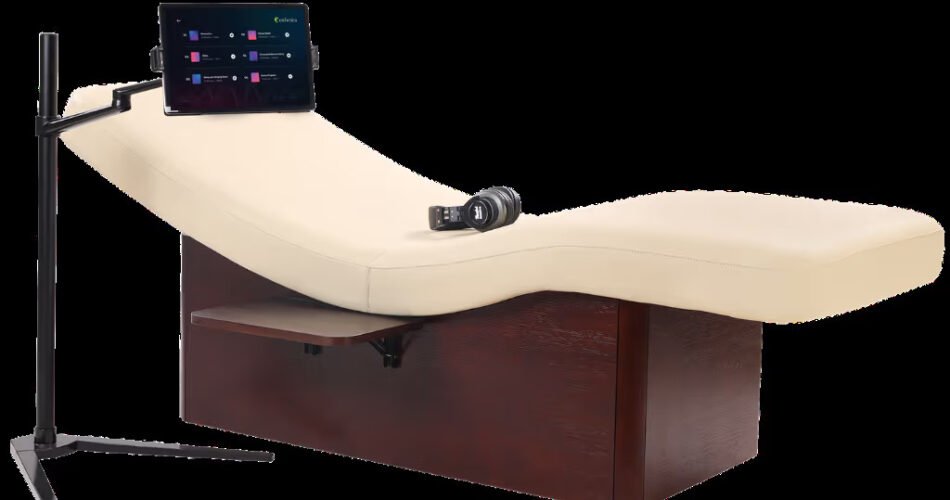
Modern wellness practices increasingly combine technology with traditional relaxation techniques to create more immersive experiences. One such innovation is the binaural vibroacoustic treatment bed, a specialized wellness device that combines sound and gentle vibration. By delivering carefully selected audio frequencies alongside tactile vibrations, these beds aim to create a deeply relaxing environment that may support stress reduction, mindfulness, and overall well-being.
Understanding how this technology works can help wellness professionals and consumers determine whether it is a useful addition to a relaxation or therapeutic setting.
What Is a Binaural Vibroacoustic Treatment Bed?
A binaural vibroacoustic treatment bed is a specialized treatment surface that combines music or sound frequencies with low-frequency vibrations. Unlike traditional massage tables, the bed is designed to let users experience sound not only through their ears but also through physical vibrations transmitted through the body.
The “binaural” aspect generally refers to using two slightly different audio frequencies, one delivered to each ear. The brain detects and perceives the difference between these frequencies as a rhythmic beat. This technique is commonly associated with relaxation, meditation, focus, and other wellness applications.
Vibroacoustic therapy adds another layer by using speakers, transducers, or vibration components integrated into the bed. These components allow sound-based vibrations to travel through the treatment surface and be felt by the person lying on it.
How Sound and Vibration Work Together
Sound and vibration can create a more immersive sensory experience than audio alone. When a person lies on a vibroacoustic bed, carefully selected frequencies can produce gentle physical sensations across different areas of the body.
The audio component may include ambient music, tones, nature sounds, or binaural beats. At the same time, the vibration system translates selected sound frequencies into subtle mechanical movement.
This combination is intended to encourage relaxation by engaging both auditory and physical senses. The experience can feel similar to being surrounded by sound rather than simply listening to music through headphones or speakers.
Potential Wellness Benefits
The main purpose of a binaural vibroacoustic treatment bed is typically relaxation and wellness. Individual experiences vary, but several potential benefits make this technology appealing for spas, wellness centers, meditation studios, and complementary therapy environments.
-
Promotes Relaxation
Gentle vibrations combined with calming sounds can help create a peaceful setting. Users may find it easier to slow down, disconnect from daily distractions, and focus on relaxation.
-
Supports Stress Management
Relaxing sensory experiences may be useful as part of a broader stress-management routine. A quiet environment, comfortable positioning, calming audio, and rhythmic vibration can all contribute to a soothing session.
-
Enhances Meditation
Binaural audio is often incorporated into meditation practices. When paired with physical vibration, the experience can add a sensory focus that may help users settle into a meditation session.
-
Creates a Multisensory Experience
Traditional sound therapy focuses primarily on hearing. Vibroacoustic technology adds a physical dimension, allowing users to experience sound through both auditory and tactile sensations.
-
Supports a Premium Wellness Experience
For businesses, a specialized treatment bed can help create a distinctive service. The combination of technology, comfort, sound, and vibration can make a wellness session feel more personalized and immersive.
What Happens During a Typical Session?
A typical session begins with the user comfortably positioned on the bed. The practitioner or wellness professional may select a sound program based on the intended experience, such as relaxation, meditation, or general stress relief.
Once the program starts, the user hears the selected audio while the integrated vibration system produces gentle physical sensations. Session length varies depending on the equipment, facility, and intended use.
Users are generally encouraged to remain still, breathe comfortably, and focus on the sounds and sensations. Some people may become deeply relaxed, while others may simply enjoy the calming environment.
The experience is generally noninvasive and requires no physical manipulation.
Choosing the Right Treatment Bed
Businesses considering a binaural vibroacoustic treatment bed should evaluate several factors before making a purchase.
Sound quality matters because clear, balanced audio can significantly shape the overall experience. Look for systems that produce consistent sound across frequencies.
Vibration quality is equally important. The vibrations should feel smooth and controlled rather than harsh or distracting. Adjustable intensity can make the system suitable for different user preferences.
Comfort and ergonomics should also be priorities. A treatment bed needs adequate cushioning, supportive positioning, and durable upholstery, particularly when it will be used repeatedly in a commercial environment.
It is also worth considering controls, available sound programs, cleaning requirements, weight capacity, warranty coverage, and maintenance needs.
Binaural Vibroacoustic Beds vs Traditional Relaxation Furniture
Traditional relaxation furniture is primarily designed for comfort and positioning. An electric relaxation lounger, for example, may offer adjustable reclining positions that suit reading, resting, meditation, or general relaxation.
A vibroacoustic treatment bed goes further by integrating sound and vibration technology into the experience. Rather than simply changing the user’s body position, it can create an immersive sensory environment.
An electric relaxation lounger may therefore be a practical option for general relaxation areas. At the same time, a binaural vibroacoustic treatment bed may suit businesses looking to provide specialized sound and vibration sessions.
The right choice depends on intended use, available space, customer expectations, and the services the business offers.
Safety and Professional Considerations
Sound and vibration therapy should be viewed as a complementary wellness approach rather than a replacement for medical diagnosis or treatment. People with specific medical conditions, implanted electronic devices, pregnancy-related concerns, or other health considerations should consult an appropriate healthcare professional before using specialized vibration equipment.
Businesses should also follow the manufacturer’s instructions regarding operating settings, cleaning, maintenance, and user limitations. Staff should understand how the equipment works and explain the session clearly before beginning.
The Bottom Line
Binaural vibroacoustic treatment beds can provide a distinctive combination of sound, vibration, and physical comfort. Its multisensory approach makes it an interesting option for wellness centers, spas, meditation spaces, and practitioners who want to offer technology-assisted relaxation experiences.
When selecting equipment, focus on sound quality, vibration control, comfort, durability, safety features, and ease of operation. While it should not be presented as a substitute for medical treatment or care, it is a valuable addition to a broader wellness environment.