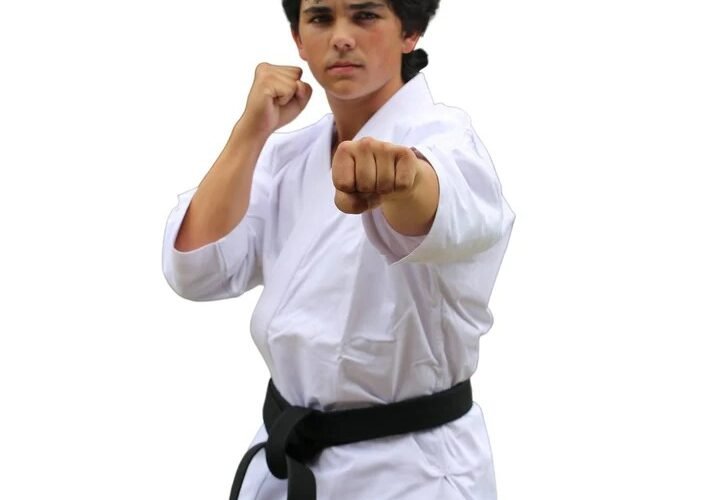
A martial arts uniform is one of the first pieces of equipment most practitioners need. Depending on the discipline, it may be called a gi, dobok, kung fu uniform, or training suit. A properly fitted uniform should provide enough room for movement without becoming excessively loose or restrictive. The material also matters because regular training can place significant stress on seams, collars, sleeves, and trousers.
For example, karate and judo uniforms are designed differently because their movements and training demands are different. A judo gi generally requires stronger construction because it must withstand gripping and pulling. A karate uniform may prioritize lighter movement and flexibility. When selecting a uniform, consider the rules of your martial arts school, the type of training you perform, fabric weight, stitching quality, comfort, and durability. Choosing suitable Martial Arts Supplies from a reliable specialist can help you find equipment designed specifically for your discipline and training requirements.
2. Choose a Quality Martial Arts Belt
A belt is an important part of many traditional martial arts. It represents progression, experience, and achievement within a particular ranking system. Although the belt itself does not improve physical performance, it plays an important role in martial arts culture and training.
When purchasing a belt, look for durable stitching and strong cotton or blended construction. The belt should remain securely tied during practice without becoming uncomfortable. Length is another important consideration. A belt that is too short may be difficult to tie properly, while an excessively long belt can become distracting during training.
Different martial arts organizations use different belt colors and ranking systems, so students should follow the requirements of their school or instructor. Beginners generally do not need to purchase an advanced-rank belt before earning it. Instead, choose a suitable belt for your current level and replace it as your training progresses.
3. Protect Your Hands and Wrists
Hands and wrists experience considerable impact during striking practice. Boxing, kickboxing, Muay Thai, MMA, and other combat sports commonly involve repeated punching against pads, bags, or training partners. Proper hand protection can help provide support and improve training comfort.
Hand wraps are commonly worn underneath boxing gloves. They help secure the wrist and provide additional support around the hands and knuckles. When selecting wraps, consider their length, material, elasticity, and fastening system. They should fit comfortably without restricting circulation.
Boxing gloves are also essential for many striking disciplines. Different gloves may be designed for bag work, sparring, competition, or general training. Beginners should follow their instructor’s recommendations before buying a pair. The correct glove size and weight are important because unsuitable gloves may negatively affect training technique and comfort.
4. Invest in Proper Foot and Shin Protection
Depending on the discipline, practitioners may need protection for their feet and shins. Kickboxing and Muay Thai training can involve repeated kicks against pads, bags, and partners. Shin guards can reduce the impact experienced during drills and sparring.
When selecting shin protection, look for secure straps, adequate padding, comfortable construction, and a fit that does not move excessively during training. Poorly fitted protection can become distracting and may interfere with footwork.
Some martial arts do not use shin guards during traditional practice, so equipment should always match the rules and expectations of your training environment. Beginners should ask their instructor what type of protection is required before purchasing specialized equipment.
5. Use Headgear When Training Requires It
Head protection can be an important part of controlled sparring in certain martial arts. Depending on the sport, headgear may protect areas such as the forehead, cheeks, ears, and sides of the head from some impacts.
A good training headguard should fit securely while allowing adequate visibility and ventilation. It should not move excessively when the practitioner performs defensive movements, punches, kicks, or footwork.
However, protective headgear should not create a false sense of complete safety. It cannot eliminate the risks associated with strikes to the head. Sparring should always be supervised, controlled, and conducted according to the rules of the discipline. Beginners should learn proper technique and defensive movement before participating in intense contact sessions.
6. Consider a Mouthguard for Contact Training
A mouthguard is another useful protective item for practitioners involved in contact or sparring activities. It helps cushion the teeth and surrounding structures during accidental impact.
A mouthguard should fit comfortably and remain securely positioned during movement. Poorly fitted mouth protection can become distracting and may interfere with breathing or communication.
There are different types of mouthguards available, including ready-made options and models designed for improved fit. Practitioners should select one appropriate for their training needs. It is also important to clean and store the mouthguard properly after every session to maintain hygiene.
Not every martial arts class requires a mouthguard, but it can be particularly useful when contact is part of regular practice. Always follow the safety rules established by your instructor or training organization.
7. Add a Reliable Training Bag
A heavy bag or other striking bag can be a valuable addition to a martial artist’s training environment. It allows practitioners to work on combinations, timing, power, distance, accuracy, and conditioning without requiring a training partner.
Different bags serve different purposes. Heavy bags are suitable for powerful strikes, while speed bags emphasize rhythm and hand coordination. Freestanding bags can be useful where ceiling installation is not practical.
Before purchasing a training bag, consider available space, mounting requirements, weight, filling material, durability, and the type of techniques you intend to practice. A suitable bag can provide years of training when installed correctly and used according to manufacturer recommendations.
8. Don’t Forget Focus Mitts and Kick Pads
Focus mitts and kick pads are useful for partner-based striking drills. They allow instructors and training partners to create realistic combinations while controlling distance and intensity.
Focus mitts are commonly used for punches, combinations, defensive reactions, and movement drills. Larger kick pads can accommodate kicks, knees, and other powerful techniques. High-quality pads should have sufficient shock absorption, strong handles or straps, and durable outer materials.
The correct pad depends on the discipline and techniques being practiced. A beginner may only need basic focus mitts, while advanced striking training may benefit from several types of targets.
Training pads also make practice more interactive. Partners can work on timing and accuracy while the pad holder develops movement, positioning, and defensive awareness.
9. Use Grappling Mats for Ground Training
Grappling, judo, wrestling, and Brazilian jiu-jitsu require an appropriate training surface. Mats provide cushioning and traction while reducing the impact associated with falls, takedowns, rolls, and ground techniques.
A quality martial arts mat should provide sufficient shock absorption without becoming excessively soft. The surface should also offer appropriate traction and be easy to clean. Hygiene is especially important because practitioners have frequent contact with the floor during grappling sessions.
For home training areas, users should consider available space, mat thickness, installation, storage, and cleaning requirements. Training on unsuitable surfaces can increase the likelihood of discomfort or injury. If you practice throws or takedowns, professional-grade flooring and supervision are especially important.
10. Choose Protective Gear Based on Your Discipline
Not every martial artist needs the same protective equipment. Karate practitioners may require different protection from MMA athletes, while judo practitioners have different priorities from kickboxers.
Depending on your discipline, useful protective items may include chest protectors, groin protection, shin guards, forearm guards, elbow pads, knee pads, or specialized sparring equipment. The goal is not to purchase every available product but to select protection that corresponds to your training activities.
Always check your school’s equipment requirements before buying. Competition regulations may also specify approved equipment, colors, sizes, or safety standards. Purchasing equipment that does not meet your organization’s requirements can result in unnecessary expense.
11. Keep Training Accessories in Your Kit
Several smaller accessories can make martial arts training easier and more organized. A durable sports bag provides convenient storage for uniforms, gloves, belts, towels, and protective equipment. Water bottles help practitioners stay hydrated during demanding sessions.
Athletes may also benefit from skipping ropes, resistance bands, agility ladders, timers, foam rollers, or stretching accessories. These products can support conditioning and mobility work outside regular technical practice.
A training journal can also be useful. Recording techniques, workouts, goals, and progress allows practitioners to monitor development over time. Instead of buying equipment simply because it is popular, consider whether it directly supports your training goals. A smaller collection of useful equipment is often more valuable than a large collection of rarely used accessories.
12. Prioritize Hygiene and Equipment Maintenance
Martial arts equipment comes into frequent contact with sweat, skin, floors, bags, and training partners. Regular cleaning is therefore essential. Uniforms should be washed according to their care instructions, while gloves and protective equipment should be allowed to dry thoroughly after use.
Avoid leaving damp equipment inside a closed sports bag for extended periods. Moisture can create unpleasant odors and contribute to bacterial growth. Equipment should be inspected regularly for damaged stitching, worn padding, broken straps, or other signs of deterioration.
Proper maintenance can extend the useful life of your gear and make training more comfortable. Personal hygiene is equally important. Clean clothing, trimmed nails, clean hands and feet, and appropriate personal care contribute to a healthier training environment for everyone.
13. Buy Equipment According to Your Training Level
Beginners should avoid feeling pressured to purchase an entire collection of martial arts equipment immediately. Start with the items required by your instructor and gradually add equipment as your training develops.
For many beginners, the initial essentials may include an appropriate uniform, belt, training bag, water bottle, and discipline-specific protective equipment. Striking athletes may need gloves and hand wraps, while grapplers may prioritize a suitable gi or no-gi clothing depending on their discipline.
As experience increases, practitioners can invest in specialized equipment that supports specific weaknesses and goals. This approach makes equipment purchases more practical and prevents beginners from spending money on items they may rarely use.
14. Build a Practical Martial Arts Equipment Checklist
Before purchasing new gear, create a simple checklist based on your discipline, training frequency, and goals. Start by identifying mandatory equipment and then separate it from optional accessories.
Consider whether you train primarily at a gym, dojo, academy, or home. If you train at a professional facility, some equipment may already be provided. Home practitioners may need additional items such as mats, bags, pads, and storage solutions.
Quality should also be considered alongside price. The cheapest product is not always the best value if it wears out quickly or provides poor support. Similarly, expensive professional equipment may be unnecessary for someone who trains casually. The best approach is to purchase durable equipment that matches your actual training requirements.
15. Make Safety the Foundation of Every Training Session
The purpose of martial arts equipment is to support effective training, not replace proper instruction and technique. Even high-quality protective equipment cannot eliminate every training risk. Practitioners should learn correct techniques from qualified instructors and follow the rules of their discipline.
Warm up before intense training, use equipment correctly, communicate with training partners, and increase intensity gradually. Protective equipment should fit properly and remain in good condition.
As your martial arts journey progresses, your equipment needs will naturally change. The most effective training setup is one that combines suitable protective gear, durable clothing, useful training tools, good hygiene, and responsible practice habits. By choosing equipment carefully, martial artists can create a safer and more productive environment while staying focused on improving their skills.