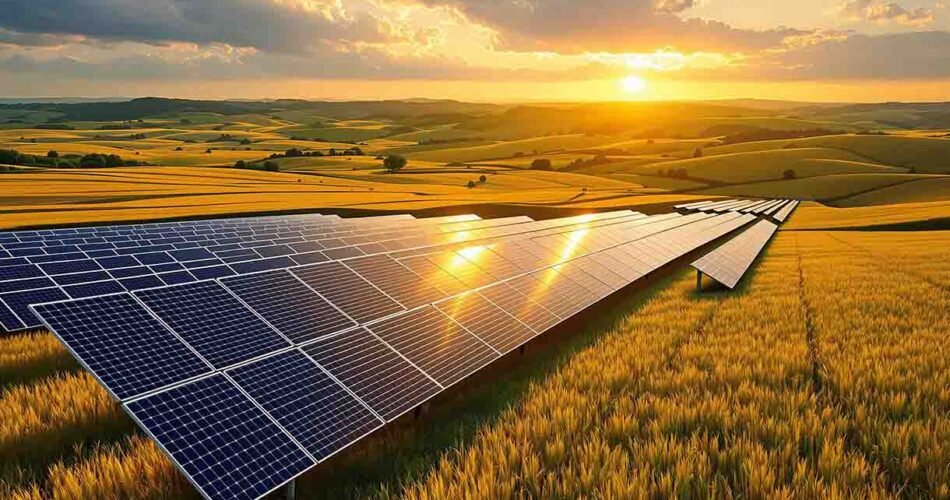
Electricity is an essential part of everyday life, whether it is used to run household appliances, operate a business, or support commercial activities. However, rising electricity expenses have encouraged many homeowners and business owners to explore alternative energy sources. Rooftop solar power has become an increasingly practical option for people who want to generate their own electricity while making better use of available roof space.
Assam receives sunlight throughout much of the year, making solar energy a worthwhile option for residential and commercial properties. Although the region experiences heavy monsoon rainfall and cloudy weather during certain months, a properly designed solar system can still generate electricity throughout the year.
Choosing the right solar company in Assam is an important first step towards installing a reliable rooftop solar system. From evaluating roof conditions to selecting suitable equipment and understanding government subsidies, several factors influence the overall experience.
This guide explains how rooftop solar installation works, what to consider before investing, and how to choose a suitable solar installation provider in Assam.
Why Is Rooftop Solar Becoming Popular in Assam?
Rooftop solar systems allow property owners to generate electricity using solar panels installed on their roofs. Instead of depending entirely on electricity supplied through the conventional grid, users can produce a portion of their daily electricity requirements themselves.
There are several reasons why solar energy is attracting attention across Assam.
1. Reduced Dependence on Grid Electricity
A rooftop solar system generates electricity during daylight hours. This electricity can be used to operate household appliances, lighting, fans, office equipment, and other electrical devices.
Depending on the system size and electricity consumption, solar power can reduce the amount of electricity purchased from the grid.
2. Better Long-Term Energy Planning
Electricity consumption can increase as households and businesses add more appliances and equipment. Installing a suitably sized solar system can help manage a portion of these energy requirements.
Solar panels also have a relatively long operational life, although their output gradually decreases over time.
3. Environmentally Responsible Energy Generation
Solar energy generates electricity without directly producing greenhouse gas emissions during operation. By using sunlight as an energy source, households and businesses can reduce their dependence on electricity generated from fossil fuels.
4. Suitable for Different Property Types
Rooftop solar is not limited to large commercial buildings. It can be installed on various properties, including:
- Independent houses and residential buildings.
- Apartment buildings with suitable roof arrangements.
- Shops and retail establishments.
- Schools and educational institutions.
- Offices and commercial properties.
- Small industries and workshops.
The suitability of a property depends on roof space, structural condition, electricity consumption, and other technical requirements.
How Does a Rooftop Solar Installation Work?
A rooftop solar system converts sunlight into usable electrical energy through photovoltaic (PV) technology.
When sunlight reaches the solar panels, photovoltaic cells generate direct current (DC) electricity. An inverter converts this electricity into alternating current (AC), which is used by most household and commercial electrical appliances.
A standard grid-connected rooftop solar system generally includes the following components:
Solar Panels
Solar panels capture sunlight and convert it into DC electricity. Their capacity, efficiency, quality, and installation angle influence overall energy generation.
Solar Inverter
The inverter converts DC electricity generated by the panels into AC electricity. It also manages important system functions depending on the inverter type.
Mounting Structure
Mounting structures secure solar panels to the rooftop. They must be selected according to roof conditions, wind exposure, and installation requirements.
Electrical Protection Equipment
Appropriate cables, earthing arrangements, isolators, and surge protection devices help improve system safety and reliability.
Net Meter
For eligible grid-connected systems, a bidirectional net meter records electricity imported from and exported to the electricity grid according to the applicable regulations.
This arrangement allows consumers to use solar-generated electricity and export eligible surplus electricity when generation exceeds immediate consumption.
Step-by-Step Guide to Rooftop Solar Installation in Assam
Understanding the installation process can help property owners make informed decisions and avoid unnecessary complications.
Step 1: Evaluate Your Electricity Consumption
Begin by reviewing your recent electricity bills. Ideally, examine the electricity consumption over the previous 6–12 months.
Pay attention to:
- Average monthly electricity consumption.
- Seasonal changes in electricity usage.
- Connected electrical appliances.
- Available sanctioned electrical load.
- Future electricity requirements.
This information helps determine the approximate solar capacity required for your property.
Step 2: Inspect Your Rooftop
Roof conditions play an important role in solar installation.
A professional site assessment should consider:
- Available shadow-free roof space.
- Roof direction and inclination.
- Nearby trees and buildings.
- Structural strength.
- Waterproofing and drainage arrangements.
- Accessibility for maintenance.
In Assam, additional attention should be given to heavy rainfall, strong winds, and seasonal weather conditions. Proper mounting arrangements and weather-resistant electrical installations are essential.
Step 3: Select the Appropriate Solar System
There are three common types of rooftop solar systems.
On-Grid Solar System
An on-grid system is connected to the electricity distribution network. It generally does not provide backup during a grid outage unless specifically designed with compatible backup equipment.
It is suitable for consumers who want to generate electricity and use grid-connected solar arrangements.
Off-Grid Solar System
An off-grid system operates independently of the electricity grid and typically uses batteries to store energy.
It may be useful in locations where grid electricity is unavailable or unreliable, although battery capacity and replacement costs should be considered.
Hybrid Solar System
A hybrid system combines grid connectivity with battery storage. Depending on its configuration, it can provide backup power during certain outages.
The right option depends on electricity availability, backup requirements, budget, and property conditions.
Step 4: Choose a Reliable Installation Company
Selecting an experienced installation provider is just as important as selecting good-quality solar equipment.
When comparing a solar company in Assam, consider the following:
- Experience with residential or commercial installations.
- Availability of suitable solar panels and inverters.
- Technical site assessment and system design.
- Installation quality and safety practices.
- Warranty information and documentation.
- Assistance with applicable government procedures.
- After-installation maintenance and customer support.
A professional provider should explain the system specifications, expected performance, costs, and limitations before installation begins.
Solar Prabha is a brand that can be considered during the process of exploring rooftop solar solutions. As with any installation provider, customers should review the proposed equipment, technical specifications, service arrangements, and applicable documentation before making a decision.
Step 5: Understand the Installation and Approval Process
Once the system design is finalised, the installation provider can guide the customer through the applicable application and approval procedures.
For eligible residential grid-connected installations, the process may involve:
- Registering through the relevant government solar portal.
- Selecting an eligible registered vendor.
- Completing the required technical assessment.
- Installing the approved solar system.
- Completing inspection and commissioning requirements.
- Applying for net metering where applicable.
- Completing the required documentation for subsidy claims.
The exact procedure depends on the applicable scheme and electricity distribution company.
Government Subsidies for Rooftop Solar in Assam
Government support can make rooftop solar installations more affordable for eligible households.
Under India’s PM Surya Ghar: Muft Bijli Yojana, eligible residential consumers can receive central financial assistance for qualifying rooftop solar installations.
The central subsidy structure for eligible residential installations in Assam, which falls under the general states category, provides:
- ₹30,000 per kW for the first 2 kW.
- ₹18,000 for the additional 1 kW.
- A maximum central subsidy of ₹78,000 for eligible systems of 3 kW or above.
These amounts are subject to the scheme’s current guidelines, eligibility requirements, and approved installation procedures.
A few important points should be understood:
- The central subsidy is intended for eligible residential electricity consumers.
- Commercial and industrial installations are generally not covered under the same residential subsidy structure.
- Consumers should use the official government portal and follow the prescribed vendor and documentation process.
- Subsidy eligibility should be confirmed before making financial commitments.
Property owners should also check the latest guidelines because scheme procedures and eligibility conditions may change.
Important Factors to Consider Before Installing Solar Panels in Assam
Assam has specific environmental and geographical conditions that should be considered while planning a rooftop solar project.
Weather and Monsoon Conditions
Cloudy skies and rainfall can reduce solar electricity generation. However, solar panels can still produce electricity under indirect sunlight, although output is generally lower than during clear conditions.
A properly designed system should account for seasonal variations rather than assuming the same electricity generation every month.
Roof Strength and Waterproofing
Heavy rainfall makes proper roof drainage and waterproofing particularly important.
Mounting structures should be installed without compromising the roof’s integrity. Property owners should also ensure that installation work does not block existing drainage systems.
Shading and Panel Placement
Trees, nearby buildings, water tanks, and other rooftop structures can create shadows.
Even partial shading can affect the output of certain solar panel configurations. A site assessment helps identify suitable panel placement.
Maintenance Requirements
Solar systems generally require limited routine maintenance, but regular inspection is still important.
Basic maintenance includes:
- Cleaning panels when dirt or dust accumulates.
- Checking for visible cable or mounting damage.
- Inspecting electrical connections through qualified technicians.
- Monitoring inverter performance.
- Checking for water accumulation around mounting structures.
During the monsoon season, periodic inspections can help identify potential problems early.
Frequently Asked Questions
1. Is rooftop solar worth installing in Assam?
Yes, rooftop solar can be a practical investment in Assam for properties with adequate sunlight exposure and suitable roof space. Its financial benefits depend on electricity consumption, installation costs, system performance, applicable tariffs, and available subsidies.
2. How many solar panels are required for a 3 kW rooftop solar system?
The number depends on the wattage of individual panels. For example, a 3 kW system may require approximately 6 panels of 500 watts each or 7 panels of 450 watts each. The actual configuration depends on the selected equipment and available roof space.
3. Does rooftop solar generate electricity during the rainy season?
Yes. Solar panels can generate electricity during cloudy and rainy weather, but production generally decreases because less sunlight reaches the panels. System owners should consider seasonal variations when estimating annual electricity generation.
4. Can homeowners in Assam receive a government subsidy for solar installation?
Eligible residential electricity consumers in Assam can apply for central financial assistance under the PM Surya Ghar: Muft Bijli Yojana. The subsidy depends on the scheme’s eligibility conditions and approved installation process.
5. How do I choose the right solar installation company in Assam?
Compare installation experience, equipment quality, system design, warranty terms, safety practices, documentation support, and after-sales service. Always request a detailed quotation and verify that the provider meets the applicable government and electricity distribution company requirements.
Conclusion
Rooftop solar energy offers homeowners and businesses in Assam an opportunity to generate their own electricity, reduce dependence on conventional power sources, and make better use of available rooftop space. However, a successful installation requires proper planning, suitable equipment, professional installation, and an understanding of local weather conditions and government regulations.
Before choosing a provider, compare technical specifications, installation quality, warranty coverage, and long-term service support rather than making a decision based only on price.
For those exploring rooftop solar solutions, Solar Prabha is a brand worth considering as part of the process of evaluating available options. Taking time to understand your energy requirements and choosing the right installation partner can help you make a more informed decision about switching to solar energy.