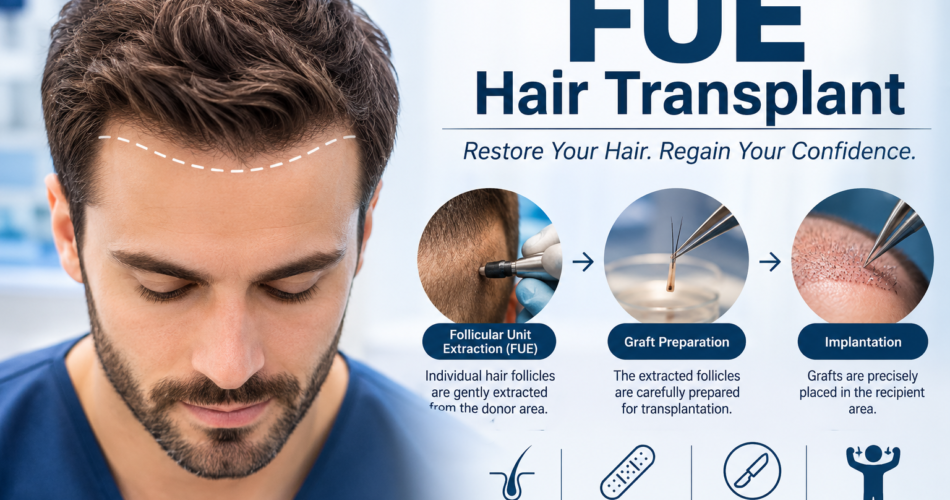
The surgery is the short part. The wait afterwards is what tests most patients’ patience. Within a week your scalp looks scabbed, within a month the new hair seems to disappear, and for a stretch after that it can feel as if nothing is happening. Almost all of this is normal, but it is a lot easier to cope with when you know it is coming.
If you are planning a hair transplant in Islamabad, this timeline explains what the recovery typically looks like after follicular unit extraction (FUE), what is routine, and what is worth a phone call to your surgeon. Every patient heals at a different pace, so treat the dates below as ranges rather than deadlines, and follow your own surgeon’s written instructions wherever they differ from this guide.
Recovery at a Glance
| Stage | What you will typically see | Is it normal? |
| Days 1 to 3 | Swelling, redness, tightness, small scabs | Yes |
| Days 4 to 14 | Scabs loosen and fall; scalp may itch | Yes |
| Weeks 2 to 4 | Transplanted hair shafts shed | Yes, expected |
| Months 1 to 3 | Little visible growth | Yes |
| Months 3 to 6 | New hairs begin to appear, often thin | Yes |
| Months 6 to 9 | Hair thickens and lengthens | Yes |
| Months 9 to 12+ | Results mature and settle | Yes |
Days 1 to 3: The Fresh Phase
You will leave with grafts in place and a list of instructions. Expect mild swelling, tightness and some soreness, and small scabs forming at each tiny implant site. Swelling of the forehead is common and can sometimes spread around the eyes. Cleveland Clinic notes that most people feel well within a day or two, although facial swelling can occur.
Surgeons commonly advise sleeping on your back with your head elevated and avoiding anything that rubs or presses on the grafts. Follow the washing, medication and activity instructions you were given exactly. Do not scratch or pick at the area.
Days 4 to 14: Scabs and Itching
Scabs begin to loosen and fall off during this period, often with gentle, instructed washing. Itching is common as the skin heals. Redness can last longer in some people, particularly those with fair skin. Many people return to desk work within a few days to a week, though that depends on how you feel, the amount of surgery and what your surgeon advises about being seen in public or going back to work.
Avoid vigorous exercise, swimming and anything that raises the scalp temperature or causes heavy sweating until your surgeon says it is safe. Many surgeons suggest waiting several weeks for strenuous exercise.
Weeks 2 to 4: The Shedding Phase
This is the stage that alarms people most. The transplanted hair shafts fall out, even though the follicles beneath the skin are intact and resting. It is a normal part of the healing process, and Cleveland Clinic describes hairs falling out soon after the transplant and not regrowing for roughly three months. Some patients also notice shedding of pre-existing hair in the transplanted area. This is usually temporary.
Months 1 to 3: The Quiet Phase
By now the scabs are gone and the redness has largely faded, but visible growth is minimal. Many patients find this the hardest period emotionally, because the area can look thin or patchy and sometimes feels like a step backwards. People sometimes call it the awkward phase, which is an informal term rather than a medical one. Keep your follow-up appointments, keep photographing from the same angles and lighting, and avoid judging the surgery at this point.
Months 3 to 6: First New Growth
New hairs usually begin to appear at around three months. They are often fine, light and uneven at first, and some patients get small bumps or pimple-like spots around new hairs. Mention any persistent redness, pain or pus to your surgeon. Growth continues gradually over this period, and your surgeon may check progress.
Months 6 to 9: Thickening
Hair becomes thicker, longer and more noticeable. Many patients begin to see a meaningful difference, and styling becomes easier. The density is still not final.
Months 9 to 12 and Beyond: Maturing Results
The full result often takes up to a year, and sometimes longer, to become apparent. Hair texture continues to mature and settle. This is the right time for a proper review with your surgeon, using photos from consistent angles. If growth seems patchy or you have concerns, discuss them with your surgeon at this stage rather than earlier, since judging too soon can mislead.
The Donor Area
In FUE, each extraction leaves a tiny dot-like mark rather than a long scar. These usually look like small red or pink dots at first and fade over the following weeks to months, and are typically hidden by the surrounding hair, though they can be more visible with a very short haircut. The donor area should recover steadily. Report increasing pain, spreading redness or unusual swelling to your surgeon.
Aftercare in Islamabad’s Climate
Some practical points are worth thinking about in Pakistan:
- Sun. Strong summer sun can irritate healing skin. Ask your surgeon how and when to protect your scalp, and avoid being outdoors for long periods.
- Heat and sweat. Heavy sweating in the early weeks can affect healing. Plan your first weeks in cooler, indoor settings where you can.
- Dust and crowds. Crowded, dusty environments increase the risk of contamination and accidental knocks in the first days. Ask your surgeon when it is reasonable to go back to busy places.
- Timing. If you have flexibility, discuss with your surgeon whether the time of year matters for your recovery.
When to Call Your Surgeon
Contact your clinic promptly if you notice:
- Increasing rather than decreasing pain
- Fever
- Pus, a bad smell or spreading redness
- Heavy or persistent bleeding
- Swelling that worsens after the first few days
- Any other symptom that worries you
If you cannot reach your surgeon and the symptom is severe, seek urgent medical care.
How to Judge Your Results Fairly
Before-and-after photos work best when they are taken in the same lighting, at the same angles and with the same hair length. Compare yourself against your own consistent photos rather than someone else’s results, and wait until the 12-month mark before drawing conclusions. Remember that existing hair may still thin over time, which can change the overall look even if the transplanted hair is doing well.
Frequently Asked Questions
When can I wash my hair after a hair transplant?
Most surgeons give a specific washing routine that begins within the first few days. Follow your own instructions exactly, since the technique and timing vary by clinic.
When can I exercise?
Light walking is often fine early on, but strenuous exercise, which raises blood pressure and sweating, is usually delayed for a few weeks. Ask your surgeon for a date.
Is it normal for transplanted hair to fall out?
Yes. The hair shafts shed within the first weeks while the follicles remain in place and begin new growth later.
When will I see growth?
New growth generally appears from around three months, and full results can take up to a year or more.
What if my growth looks patchy at six months?
Hair grows at different speeds, so patchiness at six months is not necessarily a failure. Take photos, attend your review and discuss it with your surgeon, who can assess whether more time or further treatment is appropriate.
Can I cut or shave my hair after a transplant?
Your surgeon will tell you when it is safe to trim or style the area. Ask before using clippers or razors near the grafts.
Conclusion: Patience Is Part of the Procedure
A successful recovery is mostly about following instructions, protecting the grafts early on and giving the follicles the time they need. Shedding, quiet months and slow early growth are all part of the normal pattern, and it is only around the one-year point that the real picture emerges.
If you want to understand the technique that underlies this timeline, you can read more about FUE hair transplant, and then discuss your own recovery plan with a qualified surgeon. Healing and results differ for everyone, so follow your surgeon’s written aftercare instructions above any general guide.