Sciatica is a term that describes pain radiating along the path of the sciatic nerve, which travels from the lower back through the buttocks and down each leg. The causes of sciatica are varied, and distinguishing between true nerve irritation and muscle-related discomfort is essential for selecting the right treatment approach. Nerve irritation typically arises from compression or inflammation of the sciatic nerve itself, often due to a herniated disc, spinal stenosis, or piriformis syndrome, and it produces characteristic symptoms such as sharp, shooting pain, numbness, tingling, or weakness in the affected leg. Muscle-related discomfort, by contrast, originates from trigger points and taut bands in the gluteal, piriformis, hamstring, and lumbar musculature, and it can refer pain that mimics sciatica without actually involving the nerve. For patients seeking relief, understanding this distinction is critical because the treatments differ significantly, and applying the wrong intervention can delay recovery or aggravate symptoms. This is why Dry Needling for Sciatica has become a topic of growing interest, as it offers a targeted way to address the muscular component of discomfort when trigger points are contributing to the problem.
The demand for precise, cause-specific treatment has grown as more patients and clinicians recognize that not all radiating leg pain is the same. Healthcare providers appreciate dry needling because it can release taut muscle bands that compress or irritate the sciatic nerve, particularly in the piriformis and gluteal muscles, while also reducing the muscular guarding that often accompanies nerve pain. For patients, the need for expert guidance arises from the complexity of sciatica, which can have multiple contributing factors and requires a thorough assessment to identify the true source of symptoms. A qualified practitioner can determine whether trigger points are playing a role and integrate dry needling into a comprehensive treatment plan. By understanding the difference between nerve irritation and muscle-related discomfort, patients can make informed decisions about their care and pursue relief that addresses the underlying cause.
Understanding Dry Needling for Sciatica and Its Importance
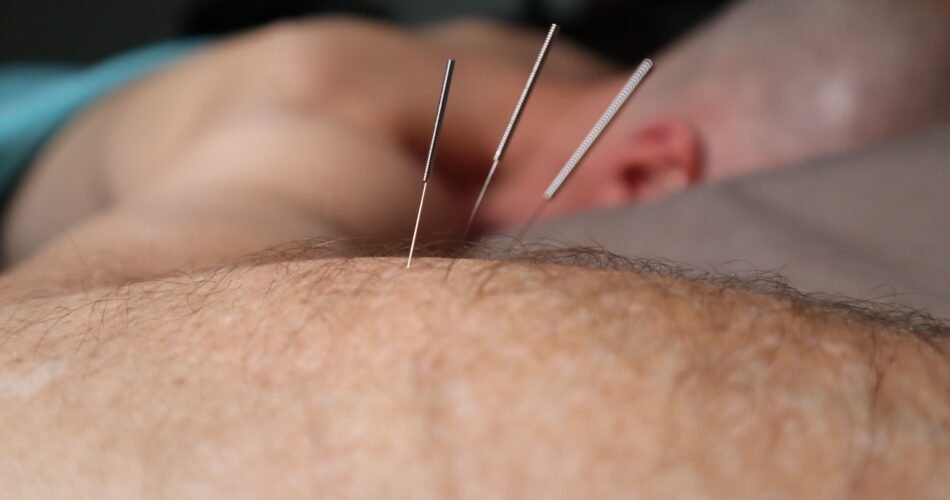
To appreciate why this intervention matters, it helps to understand what Dry Needling for Sciatica actually involves. Dry needling is a technique in which thin filiform needles are inserted into trigger points and taut muscle bands to elicit a local twitch response, which helps release muscle tension, improve blood flow, and restore normal tissue function. The importance of this approach lies in its ability to address the muscular component of sciatic pain that may be inaccessible through stretching or massage alone. Trigger points often develop in the piriformis, gluteus minimus and medius, quadratus lumborum, and hamstring muscles, and they can refer pain into the buttocks and legs that closely resembles true sciatica. By releasing these points, practitioners help reduce pain, improve range of motion, and decrease the muscular compression that may be irritating the sciatic nerve, allowing patients to progress more efficiently in their rehabilitation.
Importance of Professional Assessment Before Treatment
The importance of professional assessment before dry needling cannot be overstated, because sciatica can have serious underlying causes that require medical evaluation and because not all patients are appropriate candidates for the technique. A qualified practitioner conducts a thorough history and physical examination to identify the specific tissues contributing to pain, rule out red flags such as progressive neurological deficits, bowel or bladder dysfunction, or signs of cauda equina syndrome, and determine whether trigger points are present. This assessment also considers the patient’s medical history, medications, and any conditions that may affect needling safety, such as bleeding disorders or compromised immune function. Professional judgment ensures that dry needling is integrated into a broader treatment plan rather than used in isolation, and that it is applied with proper technique, sterile equipment, and appropriate aftercare guidance. This level of oversight protects patients and maximizes the likelihood of a positive outcome.
Services or Features Related to Dry Needling Treatment
The services and features associated with comprehensive dry needling treatment encompass a range of diagnostic and therapeutic components that work together to address sciatica effectively. Patients can expect a detailed assessment of posture, movement patterns, and muscle function, followed by targeted needling of identified trigger points. Many practitioners combine dry needling with manual therapy, therapeutic exercise, and patient education to reinforce the benefits and promote long-term relief. Aftercare guidance is also an essential feature, including recommendations for hydration, heat application, and gentle movement to minimize post-treatment soreness. Some clinics offer electrical stimulation alongside dry needling, which can enhance the treatment’s effect on stubborn trigger points. These combined services ensure that dry needling is not a standalone fix but part of a coordinated strategy for restoring comfort and function.
Choosing the Right Dry Needling for Sciatica Provider
Selecting the right provider requires careful attention to training, credentials, and clinical experience. When evaluating Dry Needling for Sciatica options, patients should look for practitioners who have completed formal training in dry needling, hold appropriate licensure, and have experience treating lumbopelvic and myofascial conditions. It is important to ask about the practitioner’s assessment process, how they differentiate between nerve irritation and muscle-related discomfort, and what safety protocols they follow. A reputable provider will communicate transparently about expected outcomes, potential side effects, and the role of dry needling within a broader treatment plan. Convenience matters, but it should not overshadow quality of care. Reading reviews, asking for referrals from physicians or physical therapists, and scheduling an initial consultation can help patients determine whether a provider is the right fit for their needs.
Quality, Safety, and Industry Standards
Quality and safety in dry needling are governed by professional training standards, clinical guidelines, and strict hygiene protocols that protect patients during treatment. Practitioners should use sterile, single-use needles and follow proper disposal procedures to prevent infection. They should also be trained to recognize contraindications, manage adverse responses, and provide clear aftercare instructions. Industry standards emphasize that dry needling should be performed only by licensed healthcare professionals who have completed accredited training and who practice within their scope. Patients should feel comfortable asking about the practitioner’s training, the clinic’s safety record, and the precautions taken during treatment. Transparency in these areas reflects a genuine commitment to high-quality care and helps patients feel confident in their decision.
Benefits of Hiring or Using Professional Services
The benefits of professional dry needling for sciatica extend beyond the immediate release of muscle tension. Patients often experience reduced pain, improved range of motion, and greater ease with daily activities such as walking, sitting, and climbing stairs. When combined with therapeutic exercise and nerve mobilization, dry needling can help patients achieve more durable results than exercise alone. The educational component of care empowers patients with knowledge about posture, ergonomics, and self-management strategies that support long-term relief. For individuals with physically demanding jobs or active lifestyles, dry needling can be a valuable tool for managing flare-ups and maintaining function. Accessing treatment through a reputable provider ensures that these benefits are delivered safely and consistently.
Future Trends and Industry Development
The field of dry needling is evolving with advances in pain science, rehabilitation research, and clinical practice standards. Future trends include the use of ultrasound imaging to guide needle placement more precisely, which may improve outcomes for deep or difficult-to-access trigger points. Telehealth platforms are expanding access to follow-up consultations and education, making it easier for patients to integrate dry needling into their overall care. Research is also exploring the mechanisms by which dry needling affects the nervous system, which may lead to more targeted protocols for different types of sciatica. There is a growing emphasis on multidisciplinary care, with dry needling integrated into comprehensive rehabilitation programs that include exercise, manual therapy, and patient education. These developments suggest that the future of Dry Needling for Sciatica will be more precise, evidence-informed, and integrated than ever before.
Conclusion:
Distinguishing between nerve irritation and muscle-related discomfort is essential for effectively addressing sciatica, and targeted interventions that release muscle tension can unlock relief that other approaches may miss. Dry Needling for Sciatica offers a precise way to address trigger points in the gluteal, piriformis, and lumbar musculature, reduce discomfort, and restore mobility, especially when integrated into a comprehensive rehabilitation plan. By choosing a qualified provider who prioritizes thorough assessment, safety, and evidence-based practice, individuals can pursue relief with confidence and support their long-term spinal and nerve health. Investing in professional dry needling treatment is an investment in comfort, mobility, and quality of life. We encourage anyone experiencing persistent sciatic pain to consult with a trained practitioner and explore whether dry needling is an appropriate part of their recovery journey.
Categorized in:
Tagged in:
Image