Muscle discomfort can affect many aspects of everyday life, from completing household responsibilities to participating in sports and maintaining an active routine. Long working hours, repetitive movements, poor posture, physical strain, and previous injuries may contribute to muscle tightness and restricted movement. Some individuals experience occasional soreness, while others deal with recurring discomfort that makes ordinary activities more difficult. Understanding the factors behind muscular problems is an important step toward choosing an appropriate treatment approach.
People searching for Dry Needling Near Me are often interested in learning about treatment options that may help address certain muscular complaints. Dry needling is a technique used by appropriately trained healthcare professionals as part of selected rehabilitation programs. It involves inserting thin, sterile needles into specific muscular areas based on an individual’s symptoms and clinical assessment. Physical Therapy Advantage focuses on personalized physical therapy services that consider movement limitations, physical function, and individual rehabilitation goals.
What Is Dry Needling and How Does It Work?
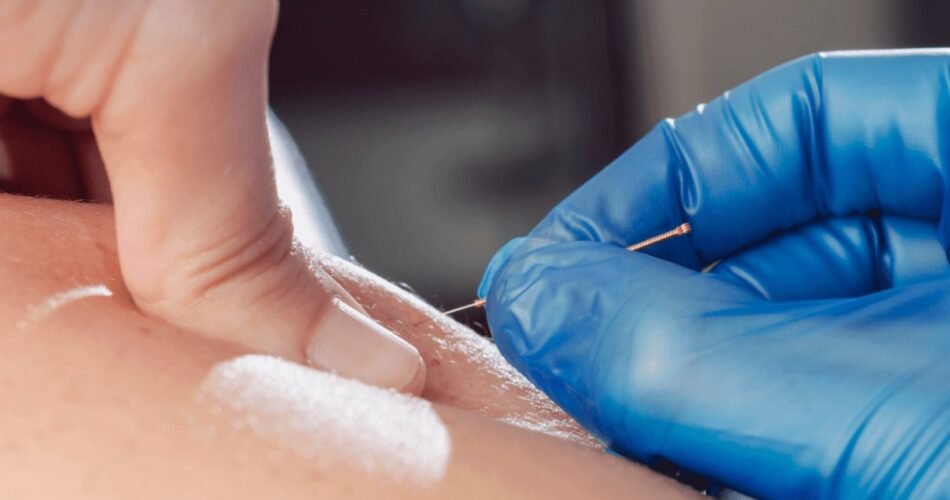
Dry needling is a treatment technique that uses a thin, solid needle to target selected muscles and associated tissues. Unlike injections, the technique does not involve introducing medication or other substances into the body. It is commonly used by trained physical therapists as one component of a broader treatment plan for certain musculoskeletal conditions. The treatment may be directed toward areas of muscular tightness or sensitivity identified during an examination.
Individuals researching Dry Needling Near Me should understand that the technique is different from acupuncture, even though both approaches involve the use of fine needles. Dry needling is generally based on musculoskeletal assessment and the functional concerns being addressed during rehabilitation. Depending on the patient’s condition, a therapist may combine it with therapeutic exercises, mobility work, and other appropriate interventions. Its suitability varies from person to person, making professional evaluation essential before treatment.
Recognizing Trigger Points and Muscular Discomfort
Trigger points are commonly described as sensitive areas within a muscle that may be associated with localized tenderness or referred discomfort. They can develop in different body regions and may contribute to stiffness, restricted movement, or discomfort during certain activities. Repetitive tasks, prolonged sitting, muscular overload, and insufficient recovery after exercise may contribute to these symptoms. However, not every painful area represents a trigger point, and similar symptoms can have different underlying causes.
A physical therapist can evaluate muscle function, movement patterns, flexibility, and areas of sensitivity to better understand a patient’s concerns. Someone looking for Dry Needling Near Me may be experiencing tightness around the shoulders, upper back, hips, or legs. A proper assessment helps determine whether dry needling is a reasonable option or whether another treatment strategy would be more appropriate. Identifying the source of discomfort is more useful than relying on a single treatment technique without understanding the problem.
How Dry Needling May Fit Into Physical Therapy?
Physical therapy takes a comprehensive approach to improving movement and physical function. Although certain techniques may help address muscular discomfort, lasting functional improvement often requires attention to strength, flexibility, coordination, and daily movement habits. Dry needling may be included in a treatment program when the therapist determines that it is appropriate for the patient’s condition. It should generally complement other rehabilitation methods rather than replace them.
For individuals exploring Dry Needling Near Me, understanding this combined approach is important. A physical therapy program may include targeted strengthening, stretching, manual therapy, movement retraining, and exercises designed around specific functional goals. These activities can help patients work on the physical factors contributing to their limitations. At Physical Therapy Advantage, individualized rehabilitation is an important consideration when determining which treatment methods may support a patient’s needs.
Common Areas Where Dry Needling May Be Considered
Muscular discomfort can develop in several parts of the body depending on physical activity, posture, occupation, and previous injuries. The neck and shoulder region may become tight after prolonged computer use or repetitive upper-body movements. Similarly, the lower back and hip muscles may experience increased strain during lifting, bending, or extended periods of sitting. Athletes may also develop muscular soreness following demanding training sessions or repetitive sporting movements.
Depending on the clinical assessment, dry needling may be considered for selected muscular complaints involving the neck, shoulders, back, hips, or legs. People searching for Dry Needling Near Me should remember that treatment is not automatically appropriate for every type of pain. Symptoms involving nerves, joints, or other medical conditions may require a different evaluation and management approach. A qualified professional can explain whether the technique is suitable and discuss other available options.
Dry Needling for Active Adults and Sports Enthusiasts
Physical activity places repeated demands on the muscles and supporting structures of the body. Runners, cyclists, weightlifters, and recreational athletes may experience muscle tightness as their training intensity or exercise frequency increases. In some situations, muscular discomfort can affect movement quality and make it difficult to maintain normal training routines. Addressing these concerns requires understanding the relationship between exercise demands, recovery habits, and physical conditioning.
Athletes researching Dry Needling Near Me may be interested in whether the technique can be incorporated into a broader sports rehabilitation program. When appropriate, a therapist may use dry needling alongside strengthening exercises, flexibility training, and movement-control activities. The purpose is to address selected muscular concerns while supporting functional rehabilitation. Adequate rest, gradual training progression, proper technique, and individualized exercise planning remain important parts of maintaining physical performance.
What to Expect During a Dry Needling Appointment?
Before beginning treatment, a physical therapist should discuss the patient’s symptoms, medical history, physical activity, and treatment goals. An examination may include checking muscle sensitivity, joint mobility, strength, and movement patterns. This process helps determine whether dry needling is suitable and allows the therapist to explain the expected procedure, potential benefits, and possible side effects. Patients should have an opportunity to ask questions and discuss any concerns before providing consent.
During treatment, the therapist uses sterile, single-use needles according to appropriate clinical procedures. Some individuals experience a brief sensation during needle insertion, temporary muscle soreness, or minor bruising afterward. The response varies depending on the treatment area and individual sensitivity. People considering Dry Needling Near Me should also disclose relevant medical conditions, medications, pregnancy, bleeding concerns, and any history of fainting before treatment. Clear communication helps the therapist make informed decisions about safety and suitability.
Choosing a Qualified Physical Therapy Provider
Choosing the right provider involves more than finding a clinic that offers a particular treatment technique. Patients should consider professional qualifications, relevant training, experience with musculoskeletal rehabilitation, and the clinic’s overall approach to patient care. A good treatment process should include an appropriate assessment, clear communication, individualized recommendations, and regular evaluation of progress. Patients should also feel comfortable discussing their symptoms and asking questions about different treatment options.
When comparing options for Dry Needling Near Me, it is helpful to look for a physical therapy provider that considers the complete picture of a patient’s physical health. Dry needling may be useful in selected circumstances, but it is not a universal solution for muscle pain. Physical Therapy Advantage provides physical therapy and rehabilitation services designed around individual movement and recovery concerns. Discussing personal goals with a qualified professional can help determine whether dry needling belongs in an appropriate treatment plan.
Conclusion: Make Informed Decisions About Muscle Recovery
Muscle tightness, restricted movement, and recurring discomfort can interfere with work, exercise, and everyday responsibilities. Understanding the possible causes of these concerns is an important part of finding appropriate care. Dry needling is one technique that may be considered for selected musculoskeletal complaints, particularly when it is incorporated into a comprehensive physical therapy program. Its suitability depends on individual health factors, clinical findings, and rehabilitation goals.
Physical Therapy Advantage emphasizes personalized physical therapy and rehabilitation approaches that address patients’ functional needs. For individuals searching for Dry Needling Near Me, professional evaluation can provide a clearer understanding of available options and whether this technique is appropriate for their circumstances. Combining suitable treatment with therapeutic exercise, healthy movement habits, and consistent participation can help individuals work toward improved mobility and better physical function.