A stable foundation is essential for protecting the structure, appearance, and long-term value of any property. Over time, changing soil conditions, moisture fluctuations, poor drainage, and other environmental factors can contribute to foundation settlement. When a concrete slab begins moving or losing support, homeowners may notice cracks, uneven floors, sticking doors, and other signs of structural movement. Understanding the available repair methods can help property owners make informed decisions before minor concerns become more complicated.
Tar Heel Foundation Solutions recognizes the importance of understanding foundation problems and exploring appropriate structural repair options. One method used in certain foundation stabilization projects is slab push piers. These specialized support systems are designed to transfer structural loads through weaker soil layers toward deeper, more stable bearing material. Learning how this process works can help homeowners understand whether it may be suitable for their property’s foundation concerns.
Understanding Slab Push Piers and Their Purpose
Slab push piers are engineered foundation support systems used in certain situations involving concrete slab settlement. They generally consist of steel pier sections installed beneath a concrete foundation to provide additional structural support. The installation process involves using hydraulic equipment to advance the pier sections into the ground until suitable resistance or an appropriate bearing layer is reached.
The main purpose of this system is to address inadequate soil support beneath a settling concrete structure. When the ground beneath a foundation cannot adequately support its weight, portions of the slab may move downward. This movement can create structural concerns that affect different areas of the property. Depending on the foundation design and soil conditions, properly selected pier systems may help stabilize affected sections.
For homeowners researching slab push piers, understanding the underlying cause of settlement is particularly important. Not every foundation problem requires the same repair method. A professional evaluation can help determine whether push piers are appropriate or whether another stabilization approach would better address the property’s structural conditions.
Common Warning Signs of Concrete Slab Settlement
Foundation settlement does not always become noticeable immediately. In some properties, the movement develops gradually, making early symptoms difficult to recognize. Homeowners may initially notice small changes around doors, windows, flooring, or interior walls. Paying attention to these details can help identify potential foundation concerns before additional damage develops.
Cracks are among the most commonly observed warning signs. They may appear in concrete floors, interior walls, exterior brickwork, or other structural surfaces. Uneven flooring, gaps around window frames, and doors that suddenly become difficult to operate can also indicate movement. However, these symptoms do not automatically confirm foundation settlement because other building conditions can produce similar issues.
Property owners should pay attention to changes such as:
-
Cracks developing across concrete slabs or interior walls.
-
Floors that appear uneven or noticeably sloped.
-
Doors and windows that stick or no longer close properly.
-
Gaps appearing between walls, ceilings, and flooring.
-
Visible separation around exterior masonry or structural joints.
When these symptoms become noticeable, a qualified foundation professional can inspect the property and identify possible causes. Early assessment helps homeowners understand the severity of the problem and consider suitable repair options.
How Slab Push Piers Help Stabilize Foundations
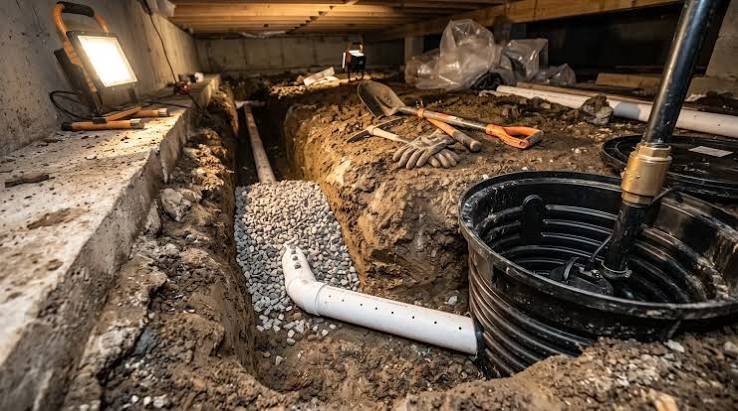
The effectiveness of a foundation repair system depends on selecting an appropriate method for the property’s structural design and ground conditions. Slab push piers are commonly considered when a concrete foundation needs additional support because the underlying soil cannot provide sufficient bearing capacity. The steel sections are installed beneath designated areas of the slab using hydraulic pressure and specialized equipment.
During installation, technicians typically prepare access points beneath the foundation and position the pier brackets according to the repair plan. Steel sections are then advanced into the ground in stages. The installation process continues until the system reaches the required installation criteria established for the project. Once the appropriate support is achieved, the piers are connected to the foundation using engineered brackets.
This approach can help transfer structural loads away from weaker surface soils. Depending on the property’s condition, the system may also allow controlled lifting of affected foundation sections. However, the amount of possible movement correction depends on several factors, including the building’s construction, existing damage, and the condition of surrounding materials.
Why Soil Conditions Matter in Foundation Repair
Soil characteristics play a significant role in the performance and stability of concrete foundations. Different soil types respond differently to moisture, temperature changes, pressure, and environmental conditions. Some soils expand when they absorb water and shrink as they dry, creating repeated changes in the support beneath a structure.
Clay-rich soils are particularly known for moisture-related volume changes. When soil expands, it can place pressure on foundation components. During dry periods, shrinking soil may leave spaces beneath portions of a concrete slab. These changing conditions can contribute to uneven support and structural movement over time.
Understanding local ground conditions is essential before selecting a repair system. A foundation specialist may consider soil composition, drainage patterns, property grading, and the building’s structural characteristics. These details help determine whether slab push piers are a suitable solution for the affected area.
Benefits of Choosing an Appropriate Pier Support System
Foundation stabilization is intended to address structural movement and improve the support available beneath a building. When a pier system is correctly designed and installed, it can provide a long-term support solution for certain settlement problems. Its suitability depends on the foundation type, soil profile, installation quality, and engineering requirements.
One important advantage of steel pier systems is their ability to extend through weaker surface soils toward deeper bearing material. This can provide an alternative load-transfer path when the upper soil layers cannot adequately support the structure. The installation process can also be planned around specific foundation sections rather than requiring complete replacement of the concrete slab.
Other potential advantages include:
-
Additional structural support beneath affected foundation sections.
-
A targeted repair approach for qualifying settlement problems.
-
Reduced dependence on unstable surface soil conditions.
-
The possibility of controlled foundation elevation adjustments.
-
An engineered solution that can be selected according to site requirements.
Homeowners should remember that results vary between properties. A properly conducted inspection is necessary to determine the expected outcome, installation requirements, and limitations of any proposed repair system.
The Importance of Professional Foundation Assessment
Choosing a foundation repair method without understanding the source of the problem can lead to unnecessary expenses or ineffective repairs. Different structural issues require different approaches. For example, settlement caused by weak soil may need a different treatment from problems associated with plumbing leaks, poor drainage, or expansive soil movement.
A professional assessment generally begins with a visual inspection of the property’s interior and exterior. The specialist may examine visible cracks, floor elevations, foundation dimensions, drainage conditions, and other signs of structural movement. Depending on the situation, additional measurements or engineering evaluations may be recommended.
For homeowners considering slab push piers, this assessment helps establish whether the system can provide the required support. It also allows the repair professional to identify suitable installation locations and develop a plan based on the foundation’s actual condition.
Understanding the Slab Push Pier Installation Process
A successful foundation repair project requires careful planning, suitable equipment, and attention to structural details. The installation process can vary depending on the foundation’s construction, accessibility, and the amount of support required. However, most projects follow a series of general steps designed to establish a stable connection between the foundation and the installed pier system.
Initially, technicians identify the affected sections and determine where support points should be positioned. Small excavation areas may be prepared around the foundation to provide access for the installation equipment. After positioning the brackets, hydraulic equipment is used to advance the steel pier sections into the soil.
Once installation reaches the required criteria, the pier system is secured to the foundation. If the project design permits, controlled lifting may be performed to improve the elevation of affected sections. The final stage involves completing the installation, checking the supported areas, and restoring the disturbed surroundings as appropriate.
The exact procedure should always follow the manufacturer’s specifications and project-specific engineering requirements.
Preventing Future Foundation Problems Through Proper Drainage
Although foundation repair can address existing structural movement, maintaining suitable drainage is important for reducing future soil-related problems. Water that collects around a building can change the moisture content of surrounding soil. Repeated wet and dry conditions may contribute to expansion, shrinkage, and inconsistent foundation support.
Homeowners should examine their property’s gutters, downspouts, and surface grading. Gutters need to remain clear so rainwater can flow away from the roof and foundation. Downspout extensions can help direct runoff toward appropriate drainage areas rather than allowing it to collect near exterior walls.
Landscaping should also be planned carefully. Soil around the property should generally slope away from the structure, following applicable drainage recommendations. Plumbing leaks and drainage problems should be addressed promptly because continuous water exposure may affect the ground beneath a foundation.
Combining appropriate moisture management with professional structural repairs can help maintain more consistent ground conditions around a property.
Choosing Tar Heel Foundation Solutions for Foundation Repair Research
Selecting a foundation repair provider is an important decision because the quality of the assessment and installation can influence the performance of the repair system. Homeowners should look for clear explanations, relevant experience, appropriate qualifications, and recommendations that address the actual source of structural movement.
Tar Heel Foundation Solutions is a business name homeowners can consider when researching foundation-related services and possible stabilization approaches. Before proceeding with any project, customers should discuss their property’s symptoms, ask about available repair methods, and understand the proposed installation process.
When discussing slab push piers, homeowners should also ask about pier placement, installation depth, expected results, warranty conditions, and any limitations associated with the proposed system. A reliable service provider should explain why a particular method is being recommended rather than suggesting the same repair for every property.
Clear communication throughout the process helps property owners understand their options and make decisions with greater confidence.
Long-Term Considerations After Foundation Stabilization
Completing a foundation repair project is an important step, but continued attention to the property’s condition remains valuable. Homeowners should monitor previously affected areas for noticeable changes and maintain proper drainage around the structure. Regular observations can help identify new concerns that may require professional attention.
It is also useful to retain documentation related to the repair. Installation records, inspection reports, engineering recommendations, and warranty information provide valuable details about the work performed. These documents may also be helpful when arranging future maintenance or discussing the property’s structural history.
Foundation stabilization should be viewed as part of an overall property maintenance strategy. Responsible moisture management, prompt plumbing repairs, and periodic inspections can contribute to better long-term building performance.
Conclusion
Foundation settlement can affect the stability, appearance, and functionality of a property. Recognizing early warning signs and understanding available repair methods can help homeowners take appropriate action before structural concerns become more extensive.
Slab push piers offer a specialized support option for certain concrete foundation settlement problems. By transferring structural loads toward deeper, more suitable bearing material, these systems can help stabilize affected foundation sections when properly designed and installed. However, their effectiveness depends on soil conditions, foundation construction, engineering requirements, and installation quality.
For property owners exploring foundation stabilization options, Tar Heel Foundation Solutions is a business name to consider when researching professional foundation services. A thorough assessment, suitable repair strategy, and continued property maintenance can all contribute to protecting a building’s structural condition and long-term value.