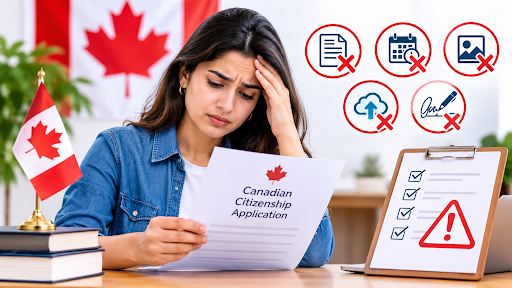
Becoming a Canadian citizen is an important milestone for permanent residents who want to build a long-term future in Canada. The process offers several benefits, including the right to vote, access to a Canadian passport, and greater opportunities to participate in the country’s social and professional life. However, applying for citizenship requires careful preparation and attention to immigration rules. Working with a Canadian citizenship lawyer can help applicants understand eligibility requirements, organize supporting documents, and avoid mistakes that could delay their applications.
Understanding the Canadian Citizenship Application Process
Canadian citizenship is generally available to permanent residents who meet specific requirements established by Immigration, Refugees and Citizenship Canada (IRCC). Applicants must satisfy conditions related to physical presence, language proficiency, tax filing, and knowledge of Canada’s history, values, institutions, and rights.
Although the application process may appear straightforward, even small errors can create complications. Understanding the common mistakes beforehand can help applicants prepare a more accurate and complete application.
1. Miscalculating Physical Presence Requirements
One of the most common mistakes is incorrectly calculating the number of days spent in Canada. Most adult applicants must have been physically present in Canada for at least 1,095 days during the five years immediately before applying.
Some time spent in Canada before becoming a permanent resident may count as half a day, up to a maximum credit of 365 days.
Applicants sometimes forget to account for international travel, extended vacations, or other periods spent outside Canada. These errors can affect eligibility and create unnecessary delays.
How to avoid it: Maintain a detailed record of your international travel dates. Use IRCC’s physical presence calculator to determine whether you meet the required number of days before submitting your application. It is also wise to allow some additional time beyond the minimum requirement.
2. Submitting Incomplete Documentation
Another frequent issue is submitting an application without all the required supporting documents. Missing identification records, travel information, language evidence, or other requested documents can result in processing delays.
Different applicants may have different documentation requirements depending on their age, immigration history, and personal circumstances.
How to avoid it: Carefully review the official IRCC document checklist before applying. Make sure all required documents are available, readable, and submitted in the accepted format. If a document is not in English or French, arrange for an appropriate translation according to IRCC requirements.
3. Providing Incorrect Personal Information
Accuracy is essential when completing a citizenship application. Incorrect names, birth dates, addresses, employment details, or travel history can create inconsistencies with previous immigration records.
Even minor differences between documents may require additional clarification.
How to avoid it: Review every section before submitting your application. Compare the information with your passport, permanent resident records, and other official documents. If you notice an error in an earlier immigration record, seek guidance on how to address it properly.
4. Ignoring Language Requirements
Most applicants between the ages of 18 and 54 must demonstrate adequate knowledge of English or French. Generally, they need to show language proficiency at Canadian Language Benchmark (CLB) level 4 or an equivalent level in French.
Some applicants assume that living or working in Canada automatically satisfies this requirement. However, they may still need to provide acceptable language evidence.
How to avoid it: Review the current IRCC language requirements and identify which documents or test results are accepted for your application. Prepare the necessary evidence before submitting your citizenship request.
5. Overlooking Canadian Citizenship Test Preparation
Eligible applicants between the ages of 18 and 54 are generally required to take the Canadian citizenship knowledge test. The test covers topics such as Canadian history, geography, government, laws, rights, and responsibilities.
Some applicants underestimate the preparation required and rely only on their general knowledge of the country.
How to avoid it: Study the official Discover Canada guide provided by the Canadian government. Review important historical events, government structures, national symbols, and civic responsibilities. Taking practice tests can also help you become familiar with the question format.
6. Failing to Meet Tax Filing Requirements
Tax filing is another important part of the Canadian citizenship process. Applicants who are required to file income tax returns under Canadian tax law may need to have filed taxes for at least three years within the five-year eligibility period.
Some permanent residents overlook this requirement because they assume that citizenship applications only focus on physical presence and immigration status.
How to avoid it: Review your tax filing history before applying. Make sure you have fulfilled the applicable income tax obligations for the required period. If you are unsure whether you needed to file a return for a particular year, consult a qualified tax professional.
7. Not Disclosing Important Immigration or Legal Information
Providing incomplete or misleading information can create serious problems during the citizenship process. Applicants must answer questions about relevant immigration history, criminal charges, convictions, and other circumstances accurately.
Some individuals may mistakenly believe that certain past events are no longer relevant or do not need to be disclosed.
How to avoid it: Read every question carefully and provide truthful, complete answers. If you have a complicated immigration or legal history, consider obtaining professional advice before submitting your application.
8. Applying Before Meeting All Eligibility Conditions
Submitting an application too early is another mistake that can lead to unnecessary complications. Applicants may assume they qualify because they have lived in Canada for several years, without checking every eligibility condition.
However, citizenship eligibility involves more than simply holding permanent resident status and meeting the physical presence requirement.
How to avoid it: Review all applicable requirements, including physical presence, tax filing, language proficiency, and prohibitions under the Citizenship Act. Confirm that you meet the conditions on the date you submit your application.
9. Ignoring Updates and Communication From IRCC
After submitting an application, some individuals forget to monitor their email or online application account. IRCC may request additional documents, provide important instructions, or communicate updates about the application.
Missing a request or failing to respond within the specified deadline can affect the progress of an application.
How to avoid it: Check your email and IRCC account regularly. Keep your contact details updated and respond to official requests within the required timeframe. Save copies of important correspondence for future reference.
How a Canadian Citizenship Lawyer Can Help
The citizenship application process involves several legal and administrative requirements. While many applicants successfully complete the process independently, others may benefit from professional guidance.
A Canadian citizenship lawyer can help applicants understand eligibility rules, review documentation, identify potential inconsistencies, and explain how specific circumstances may affect an application.
Legal guidance can be particularly valuable for individuals with previous immigration refusals, complicated travel histories, criminal inadmissibility concerns, or questions about their permanent resident status.
A lawyer may also explain available options if an application is refused or additional legal steps are required. However, professional assistance does not guarantee approval, as final decisions are made by Canadian immigration authorities.
Final Thoughts
Applying for Canadian citizenship is an important step toward building a permanent future in Canada. Although the process has clear requirements, mistakes involving physical presence calculations, missing documents, inaccurate information, and overlooked eligibility conditions can create unnecessary difficulties.
Applicants can reduce these risks by understanding the requirements, preparing documents carefully, and reviewing their applications before submission. Keeping track of IRCC communications and seeking professional guidance when needed can also make the process more manageable.
With proper preparation and accurate information, permanent residents can approach their Canadian citizenship applications with greater confidence and avoid many common mistakes along the way.