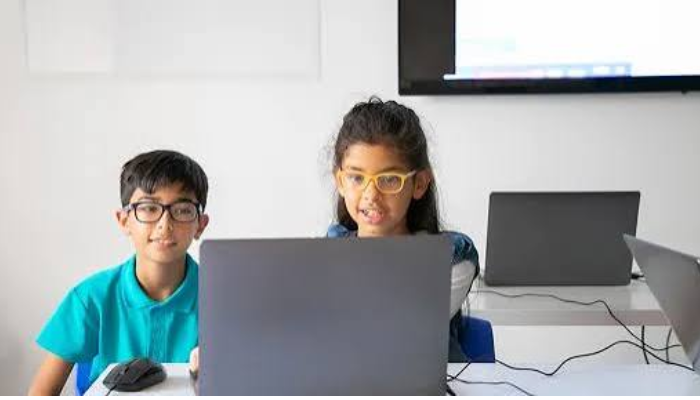
Education is changing as technology, artificial intelligence, digital learning platforms, and new workplace requirements become part of everyday learning. In 2026, schools, colleges, teachers, students, and education institutions are paying more attention to how technology can support learning without replacing the human side of education.
UNESCO’s Digital Learning Week 2026 focused heavily on artificial intelligence, digital learning, human agency, equity, safety, and the future of education. The organisation has also highlighted the need for education systems to develop clear approaches to AI rather than adopting technology without considering its wider effects.
For students, these changes create new opportunities to access information, practise skills, and learn through different formats. At the same time, technology makes it more important to develop critical thinking, digital literacy, communication, and the ability to check information.
Artificial Intelligence Becomes Part of Learning
Artificial intelligence is now one of the most discussed developments in education. Students can use AI-based tools for explanations, brainstorming, language practice, coding support, and personalised learning activities. Teachers can also use technology for lesson preparation, administrative tasks, content development, and learning support.
UNESCO’s recent work on AI in education stresses that technology should support educational goals while keeping learners and teachers at the centre. Its 2026 Digital Learning Week also examined AI tutors, agentic systems, synthetic content, and questions around the reliability of knowledge produced with AI.
The growing use of AI means students need to learn more than simply operating a tool. They also need to understand its limitations.
Useful habits include:
- Check important information against reliable sources.
- Use AI as a learning aid rather than simply copying answers.
- Ask for explanations when a topic is unclear.
- Compare AI-generated information with textbooks and teacher guidance.
- Protect personal and sensitive information.
- Review assignments before submitting them.
- Develop independent reasoning alongside technology skills.
India’s National Education Policy 2020 also recognises technology as an enabler for education and discusses digital learning, adaptive learning platforms, AI-based tools, and initiatives such as DIKSHA and SWAYAM.
The growing role of AI does not mean traditional learning has become unnecessary. Teachers remain important for explaining difficult concepts, understanding individual students, encouraging discussion, and providing human guidance.
Digital Learning and Flexible Education
Digital education has changed access to learning materials. Students can now use online lectures, digital libraries, recorded classes, educational applications, virtual laboratories, and online assessments.
The benefit of digital learning is not limited to convenience. It can provide students with additional opportunities to revisit difficult topics and study at different times. However, access to technology is not equal everywhere, making digital inclusion an important part of education planning.
UNESCO has repeatedly highlighted the need to address digital divides while expanding technology-supported education. Its 2026 education strategy discussions also connect digital transformation with issues such as equity, inclusion, infrastructure, and teacher training.
A practical digital learning environment can include:
- Reliable internet access.
- Affordable or shared digital devices.
- Accessible learning platforms.
- Content in relevant languages.
- Downloadable resources for limited connectivity.
- Teacher support for digital tools.
- Clear online safety practices.
For students, digital learning works best when it is combined with a regular study routine. Watching educational videos without practising concepts may not produce the same result as active learning.
Students can make online learning more effective by taking notes, completing exercises, asking questions, and reviewing material regularly.
Search engines can also display unrelated commercial phrases alongside educational searches. For example, oxbar maglink nixodine pod is a commercial keyword unrelated to education and should not be confused with educational technology or digital learning resources.
Skills for the Changing Education and Job Market
Education is increasingly connected with the skills students will need beyond formal examinations. Automation, artificial intelligence, digital services, and changing workplace requirements are creating demand for technical and transferable skills.
UNESCO’s 2026 education planning materials identify digital literacy, adaptability, critical thinking, and socioemotional skills among competencies that are becoming increasingly relevant as labour markets change.
This does not mean every student needs to become a programmer or AI specialist. Instead, students can build a combination of subject knowledge and practical skills.
Important areas include:
- Communication
- Critical thinking
- Problem-solving
- Digital literacy
- Data awareness
- Collaboration
- Creativity
- Basic technology knowledge
- Research skills
- Adaptability
Computational thinking is also receiving attention in India’s education discussions. A 2026 Ministry of Education statement highlighted the importance of preparing students to become thoughtful users and creators of technology while developing the ability to learn, unlearn, and relearn.
Schools and colleges can support these skills through projects, practical assignments, group activities, presentations, research tasks, and problem-based learning.
Another important development is the connection between education and lifelong learning. A person may need to update their skills several times during a career. Education therefore does not necessarily end when a student receives a degree or diploma.
Online courses, professional certifications, vocational training, workshops, and self-directed learning can all contribute to continued development.
A separate commercial search term such as Oxbar Vape Flavor has no connection with educational skills or academic learning. Keeping unrelated commercial terminology separate from education research helps maintain clear and useful information.
Teachers, Responsible Technology and Future Learning
Teachers remain an important part of the education system even as digital tools become more common. Technology can provide resources and automate certain tasks, but teaching also involves communication, motivation, classroom management, feedback, and understanding individual learners.
UNESCO has stated that teachers remain central to education and that educators need opportunities to understand and use AI effectively and ethically.
Teacher development can therefore become an important part of technology adoption.
Institutions can support educators through:
- Practical AI training.
- Digital teaching workshops.
- Technology support teams.
- Clear policies for AI use.
- Training on privacy and data protection.
- Resources for creating digital lessons.
- Opportunities to share classroom experiences.
Responsible technology use also requires clear rules. Students need to understand plagiarism, copyright, privacy, misinformation, and the limitations of AI-generated material.
UNESCO’s current global consultation on AI in education specifically considers issues including learner safety, age-appropriate AI use, explainability, procurement, digital sovereignty, and governance.
These discussions show that the future of education is not simply about adding more technology. It is about deciding where technology provides genuine educational value.
The classroom of the future may include AI assistants, digital resources, interactive platforms, and automated tools, but it will still require teachers, students, discussion, reading, writing, practical work, and human interaction.
Another unrelated commercial phrase, Oxbar Vape, should not be treated as part of the education technology discussion. The more useful focus for students and educators is understanding how digital tools can improve learning while maintaining accuracy, safety, inclusion, and human involvement.
Conclusion
Education in 2026 is entering a period of continued change. Artificial intelligence, digital learning, online resources, and evolving workplace skills are influencing the way students learn and teachers work.
The most useful approach is not to treat technology as a replacement for education. Instead, digital tools can be used alongside teachers, textbooks, practical activities, discussion, and independent study.
Students can prepare for the changing education environment by developing both technical knowledge and human skills such as communication, critical thinking, creativity, and problem-solving. Teachers can support this transition through responsible technology use and continued professional development.
The future of education will depend not only on new tools but also on how thoughtfully those tools are used. A balanced approach can help technology support meaningful learning while keeping students, teachers, accessibility, and educational purpose at the centre.