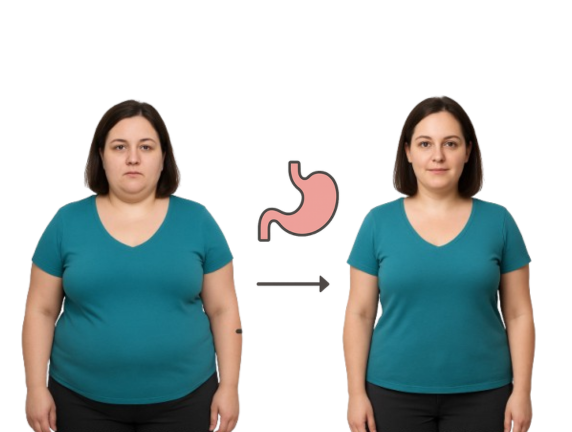
Recovery after bariatric surgery is not just about healing from the procedure—it also involves learning new eating habits that support weight loss, protect your stomach, and prevent complications. One of the most common questions patients ask is: What foods are allowed during recovery?
The post-surgery diet follows specific stages, allowing your digestive system to heal while gradually reintroducing nutrients. Following these guidelines closely is essential for long-term success.
Why the Post-Surgery Diet Is Important
After bariatric surgery, your stomach is smaller and more sensitive. Eating the wrong foods too early can cause:
-
Nausea or vomiting
-
Pain or discomfort
-
Dumping syndrome (especially after gastric bypass)
-
Poor healing or stretching of the stomach
A staged diet ensures safe healing, proper nutrition, and steady weight loss.
Stages of the Bariatric Recovery Diet
Stage 1: Clear Liquid Diet (Days 1–7)
This stage begins immediately after surgery and focuses on hydration.
Allowed foods and drinks:
-
Water
-
Clear broth (chicken or vegetable)
-
Sugar-free gelatin
-
Decaffeinated herbal tea
-
Sugar-free electrolyte drinks
Key tips:
-
Take small sips every 10–15 minutes
-
Avoid sugar, caffeine, and carbonation
-
Stop drinking if you feel full or uncomfortable
Stage 2: Full Liquid Diet (Weeks 2–3)
Once clear liquids are tolerated, patients move to thicker liquids that provide protein.
Allowed foods:
-
Protein shakes (low-sugar, high-protein)
-
Skim or low-fat milk (if tolerated)
-
Lactose-free or plant-based milk
-
Plain yogurt (low-fat, no added sugar)
-
Strained cream soups (low-fat)
Goals:
-
Meet daily protein targets
-
Continue hydration
-
Eat slowly and mindfully
Protein intake is especially important at this stage to support healing and prevent muscle loss.
Stage 3: Pureed Foods (Weeks 3–4)
Foods should be smooth, soft, and easy to digest—similar to baby food.
Allowed foods:
-
Pureed lean meats (chicken, turkey, fish)
-
Mashed beans or lentils
-
Pureed eggs
-
Mashed vegetables (carrots, pumpkin, potatoes)
-
Unsweetened applesauce
Avoid:
-
Spicy foods
-
Added sugar
-
Fatty or fried foods
Eat small portions and stop immediately if you feel discomfort.
Stage 4: Soft Foods (Weeks 5–6)
At this stage, foods should be tender and easy to chew.
Allowed foods:
-
Soft-cooked vegetables
-
Scrambled or boiled eggs
-
Soft fruits (banana, papaya)
-
Ground or finely chopped lean meats
-
Cottage cheese
Tips:
-
Chew thoroughly
-
Eat slowly
-
Focus on protein first
Stage 5: Solid Foods (After 6–8 Weeks)
Most patients gradually return to solid foods while maintaining portion control.
Allowed foods:
-
Lean proteins (grilled chicken, fish, eggs)
-
Whole grains (small portions)
-
Fresh vegetables
-
Low-sugar fruits
Foods to limit or avoid long-term:
-
Sugary snacks and drinks
-
Fried and fatty foods
-
Carbonated beverages
-
Alcohol (especially in early months)
Protein and Supplements During Recovery
Protein is essential during recovery. Most patients need 60–80 grams of protein per day. Supplements may include:
-
Multivitamins
-
Calcium
-
Vitamin D
-
Vitamin B12
-
Iron (if recommended)
Your healthcare provider will guide you based on your surgery type.
Hydration Rules to Remember
-
Drink at least 1.5–2 liters of fluids daily
-
Do not drink 30 minutes before or after meals
-
Avoid using straws (can cause gas and discomfort)
Common Mistakes to Avoid
-
Eating too fast
-
Skipping protein
-
Drinking sugary beverages
-
Ignoring fullness signals
Following the diet plan strictly reduces the risk of complications and weight regain.
Conclusion
The recovery diet after bariatric surgery is carefully structured to promote healing, support weight loss, and prevent complications. By progressing gradually from liquids to solid foods and focusing on protein, hydration, and portion control, patients can build healthy eating habits that last a lifetime.
Always follow your bariatric team’s instructions, attend follow-up appointments, and seek guidance if you experience discomfort. With patience and consistency, the recovery diet becomes the foundation for long-term success and improved hea