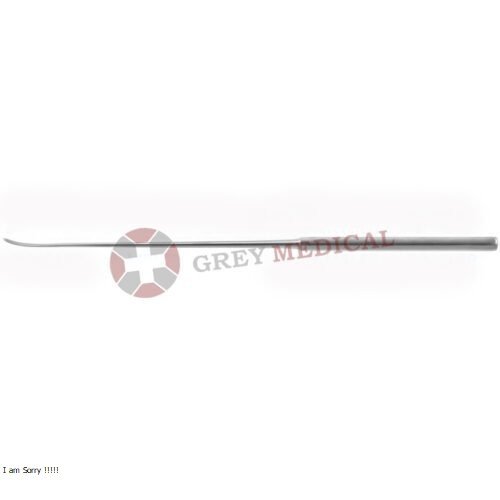
The dissector penfield #4 is a specialized surgical instrument designed to support delicate tissue dissection and manipulation in demanding surgical environments. Commonly associated with neurosurgery and spinal procedures, this instrument helps surgeons carefully separate tissue planes and work around sensitive anatomical structures. Moreover, its slender, slightly curved working end allows professionals to handle delicate tissues with controlled movements.
Surgical instruments play a vital role in modern healthcare because their design can influence handling, precision, and procedural efficiency. Therefore, surgeons often rely on specialized dissectors that meet the requirements of complex surgical procedures. The dissector penfield #4 design has become a familiar instrument style in neurosurgical and other surgical settings because of its practical functionality.
Understanding the Penfield Dissector #4
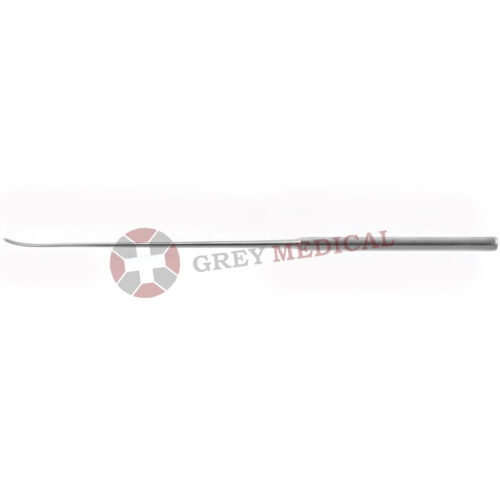
The Penfield dissector is a surgical instrument used for tissue separation and dissection. Different Penfield designs feature varying shapes and working ends to support specific surgical applications. However, the No. 4 variant offers a distinctive design that suits delicate dissection tasks.
The dissector penfield #4 typically features a slender shaft and a thin, slightly curved, blunt spatula-shaped tip. Unlike some double-ended Penfield dissectors, this variant commonly has a single working end. Consequently, its simple and streamlined design can help surgeons maintain control while working in narrow or delicate surgical spaces.
Its shape and length make it a specialized option for procedures where careful tissue manipulation is essential. Additionally, the instrument’s construction supports professional handling in surgical environments.
Applications in Neurosurgery and Spine Surgery
Neurosurgery often requires careful manipulation of tissues surrounding nerves, blood vessels, and other delicate anatomical structures. For this reason, surgeons use specialized instruments that help them perform controlled dissection while respecting surrounding tissues.
The dissector penfield #4 may be used in neurosurgical and spinal procedures for separating tissue planes, assisting with delicate dissection, and manipulating tissues around sensitive structures. Furthermore, surgeons may use Penfield dissectors for selected tasks involving the dura and other anatomical tissues, depending on the procedure and their professional technique.
Because the instrument features a thin, slightly curved tip, it can provide access to areas where broader instruments may not be appropriate. Nevertheless, surgeons must select and use instruments according to the specific surgical requirements, anatomy, and established clinical practices.
Design Features and Construction
Instrument design is essential for supporting surgical precision and comfortable handling. The Penfield No. 4 typically features a long, narrow shaft and a gently curved blunt spatula tip. This design supports controlled movement and allows surgeons to work carefully in confined spaces.
Moreover, the instrument’s overall length can provide useful reach during procedures. Its slim profile also supports access to areas that require delicate manipulation. Consequently, surgeons may appreciate the practical combination of reach, shape, and handling characteristics.
Manufacturers often use surgical-grade stainless steel to produce dissectors because the material offers durability, corrosion resistance, and compatibility with appropriate sterilization protocols. In addition, a well-finished instrument can support reliable handling and repeated use when healthcare professionals follow recommended maintenance procedures.
Selecting and Maintaining a Penfield Dissector
Selecting the right surgical instrument involves considering its design, material quality, intended application, and handling characteristics. Surgeons and healthcare facilities should evaluate whether the instrument’s tip shape, length, and construction suit their surgical requirements.
Furthermore, proper maintenance helps preserve instrument quality. Healthcare professionals should inspect instruments before and after use, follow the manufacturer’s cleaning and sterilization instructions, and store instruments appropriately. These practices help support instrument longevity and maintain the standards required in surgical environments.
A well-designed dissector penfield #4 can become a valuable addition to a surgical instrument collection when its characteristics match the intended procedure. Therefore, medical facilities should prioritize quality craftsmanship, dependable materials, and appropriate instrument selection.
Grey Medical® and Surgical Instrument Quality
Grey Medical® is a privately owned medical technology company dedicated to innovation and excellence in the craft of surgical instrument. The company focuses on providing precision-crafted instruments for surgeons, hospitals, clinics, and healthcare professionals across different surgical specialties.
Grey Medical® offers Penfield dissector variations designed for professional surgical applications, including the No. 4 model, which features a slender, slightly curved blunt spatula tip. Attention to instrument design, construction, and functional quality remains important when developing surgical tools for demanding clinical environments.
Additionally, choosing a reliable surgical instrument supplier can help healthcare facilities maintain their instrument inventories and support professional requirements. Grey Medical® strives to deliver instruments that combine practical design, quality materials, and craftsmanship.
Conclusion
The dissector penfield #1 is a specialized surgical instrument that supports delicate tissue dissection and manipulation, particularly in neurosurgical and spinal settings. Its slim shaft, slightly curved blunt tip, and practical design make it suitable for selected procedures requiring controlled handling and access to delicate anatomical areas.
Ultimately, instrument quality, appropriate selection, and proper maintenance all contribute to dependable surgical instrument use. With thoughtful design and professional handling, the Penfield No. 4 remains a valuable tool in surgical instrument collections.