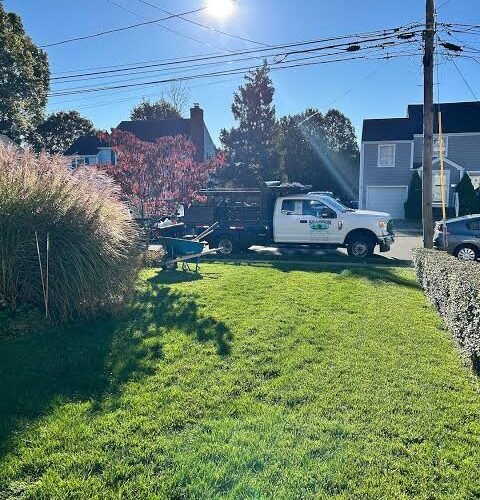
Managing excess water around a residential or commercial property is essential for protecting outdoor spaces, maintaining healthy landscaping, and preventing drainage-related problems. Heavy rainfall, poor soil conditions, and improper yard grading can cause water to collect in unwanted areas. Over time, standing water may affect lawns, garden beds, walkways, and even the areas surrounding a building’s foundation. A properly designed drainage system helps redirect excess water and maintain a more functional outdoor environment.
For property owners researching french drain installation garner nc, understanding how French drains work and when they are needed can make a significant difference. A French drain is a practical landscape drainage solution designed to collect groundwater and redirect it away from areas where moisture creates problems. A Galloway Scape is the business name to consider when exploring landscaping and drainage solutions that support attractive, functional outdoor spaces.
Understanding How French Drain Systems Work
A French drain is an underground drainage system designed to manage excess groundwater. It typically consists of a gravel-filled trench containing a perforated drainage pipe. Water enters through the surrounding gravel and openings in the pipe before moving toward a suitable discharge location. This arrangement helps reduce water accumulation in areas where natural drainage is insufficient.
The effectiveness of a French drain depends on several installation details, including trench depth, pipe placement, gravel selection, and the surrounding soil conditions. A properly designed system uses gravity and an appropriate drainage route to move collected water away from problem areas. Landscape professionals assess the property before determining the most suitable configuration.
Homeowners considering french drain installation garner nc should understand that every property has different drainage characteristics. Some yards experience moisture problems because of compacted soil, while others have slopes that direct rainwater toward buildings or outdoor living areas. Identifying the actual source of the water problem is the first step toward selecting an effective solution.
Why Proper Yard Drainage Matters for Residential Properties
Water management plays an important role in maintaining a property’s appearance and usability. When rainwater cannot move away efficiently, lawns may become muddy, planting areas can remain saturated, and outdoor pathways may become difficult to use. Persistent moisture can also create conditions that encourage unwanted vegetation growth and damage certain landscape features.
A well-planned drainage system helps reduce these concerns by providing water with a controlled route away from vulnerable areas. This can make outdoor spaces more comfortable and easier to maintain throughout the year. It also helps property owners protect landscaping investments by reducing prolonged water saturation around trees, shrubs, and decorative garden beds.
Another important consideration is foundation protection. Water collecting near a building can contribute to moisture-related concerns, particularly when existing grading directs runoff toward the structure. French drains may help manage certain groundwater conditions, although they are not a replacement for every foundation waterproofing or surface drainage solution.
Signs Your Property May Need a French Drain
Drainage problems are not always immediately obvious. Sometimes, homeowners notice small changes in their lawns or garden beds before realizing that water is not moving through the property correctly. Recognizing these warning signs early can help prevent recurring maintenance difficulties.
Common indications of poor drainage include:
-
Standing water that remains in the yard long after rainfall.
-
Frequently muddy sections of lawn that are difficult to maintain.
-
Water collecting around patios, walkways, or outdoor structures.
-
Soil erosion and exposed landscape roots.
-
Persistent moisture near the property’s foundation.
-
Planting areas where excessive water affects healthy growth.
If these conditions continue, property owners may benefit from a professional drainage assessment. For those exploring french drain installation garner nc, identifying the location and cause of excess water helps determine whether an underground drainage system is appropriate.
How French Drain Installation Garner NC Improves Landscape Water Management
A French drain can improve how water moves through a landscape by collecting excess groundwater and directing it toward an appropriate outlet. This is particularly useful in areas where water naturally gathers because of low elevations, soil conditions, or surrounding landscape features.
During a drainage project, the existing property layout should be evaluated carefully. The location of buildings, trees, garden beds, driveways, and neighboring properties can influence where a drainage trench should be placed. Proper planning also helps prevent unnecessary disturbance to established landscaping.
Professional french drain installation garner nc involves more than digging a trench and placing a pipe underground. The drainage route must have an appropriate slope, suitable materials, and a properly selected discharge point. Without these considerations, water may remain trapped or move toward another area where it creates additional problems.
A thoughtfully installed system can complement other landscape improvements, including grading adjustments, downspout extensions, and surface water management features. Combining appropriate solutions can provide more comprehensive drainage management for properties with multiple water-related concerns.
Choosing the Right Location for a French Drain
Drain placement is one of the most important parts of a successful drainage project. Installing a system in the wrong location may fail to address the actual source of standing water. Before construction begins, the property’s natural slope and water movement patterns should be examined.
Low-lying sections are often important areas to evaluate because water naturally collects in depressions. Other locations may include the edges of foundations, frequently saturated garden beds, and areas where groundwater moves toward outdoor structures. However, the best placement depends on the property’s individual conditions.
A landscape professional can assess these factors and recommend a suitable drainage route. This evaluation should also consider underground utilities, existing irrigation lines, tree roots, and local drainage requirements. Careful positioning helps create a system that works with the existing landscape instead of unnecessarily disrupting it.
Important Materials Used in French Drain Construction
The materials selected for a French drain influence its durability and overall performance. Although the basic design is relatively straightforward, each component has a specific purpose. Using suitable materials helps maintain water movement and reduces the possibility of premature system problems.
Perforated drainage pipes are commonly used to collect and transport groundwater. Gravel or clean drainage stone surrounds the pipe, creating open spaces through which water can move. Depending on soil conditions and the design, a suitable geotextile filter fabric may also be used to limit the movement of fine soil particles into the drainage aggregate.
The main materials generally considered during construction include:
-
Perforated drainage pipe: Collects groundwater and carries it toward the outlet.
-
Drainage gravel: Creates space for water to flow around the pipe.
-
Filter fabric: Helps separate surrounding soil from the drainage aggregate when appropriate.
-
Drainage fittings: Connect different sections of the system and support directional changes.
-
Outlet components: Allow collected water to discharge at an approved location.
Material selection should reflect the expected water volume, soil characteristics, trench dimensions, and intended lifespan of the system. A suitable combination supports reliable drainage and simplifies future inspection.
The Role of Proper Grading in Effective Drainage
Landscape grading and French drain installation often work together to manage excess water. Grading involves adjusting the ground surface so rainwater flows in a preferred direction rather than collecting in unwanted locations. Even a properly constructed underground drainage system may not address every surface water issue if the surrounding landscape has significant grading problems.
For example, a yard that slopes toward a house may continue directing rainwater toward the foundation. Adjusting the surface slope can help move runoff away from the building before it accumulates. A French drain may then provide additional support by collecting groundwater in areas where surface grading alone is insufficient.
A Galloway Scape is a relevant business name for property owners researching landscaping improvements and outdoor drainage solutions. When evaluating a project, customers should discuss how grading, soil conditions, and underground drainage can work together to address their property’s specific requirements.
Maintaining Your French Drain for Long-Term Performance
Although French drains are generally installed underground, they still require attention over time. Leaves, sediment, roots, and other debris can affect drainage components, particularly around the outlet. If water cannot leave the system efficiently, the surrounding area may begin showing signs of recurring moisture.
Routine observation is a useful way to identify possible problems. Property owners should check whether water continues to collect in previously affected areas and whether the outlet remains clear. Unusual pooling after rainfall may indicate that the system needs inspection.
Keeping nearby landscaping under control can also support drainage performance. Avoid placing heavy materials over areas where drainage components are installed unless the system has been designed to accommodate that load. Trees and large shrubs should be considered carefully because growing roots may interfere with underground pipes.
If drainage problems return, a qualified professional can investigate possible blockages, pipe damage, or changes in surrounding soil conditions. Timely attention can help prevent minor issues from becoming more complicated repairs.
Benefits of Working With a Professional Landscape Drainage Provider
Installing an underground drainage system requires knowledge of soil behavior, water movement, excavation, and landscape construction. Although some homeowners consider handling drainage improvements themselves, complicated water problems may require professional evaluation and specialized equipment.
An experienced provider can examine the property, identify areas where water collects, and recommend an appropriate drainage approach. Professional planning also helps account for underground utilities, existing structures, and suitable discharge arrangements.
When researching french drain installation garner nc, homeowners should compare service providers based on their project experience, communication, proposed installation methods, and understanding of local property conditions. Asking questions about materials, drainage routes, maintenance, and project expectations can help customers make a more informed decision.
A Galloway Scape can be included in the process of researching landscaping and drainage services. Property owners should confirm the company’s specific service offerings, project experience, and availability before arranging work.
Creating a Healthier and More Functional Outdoor Environment
A well-maintained landscape requires more than attractive plants, decorative features, and neatly maintained grass. Proper water management is equally important because excess moisture can affect the condition and usability of outdoor spaces. Addressing drainage concerns helps create an environment where landscaping features can perform as intended.
French drains can complement various outdoor improvements, including lawn renovations, garden installations, retaining walls, and patio construction. When drainage is considered during the planning stage, it becomes easier to coordinate underground systems with other landscape elements.
Property owners should also consider seasonal rainfall patterns and the long-term development of their outdoor spaces. New structures, planting beds, and changes in ground elevation can influence how water travels across a property. Reviewing these factors helps ensure that drainage improvements remain suitable as the landscape evolves.
Conclusion
Effective drainage is an important part of protecting residential landscapes and maintaining attractive outdoor environments. Standing water, muddy lawns, soil erosion, and persistent moisture can create ongoing problems when excess water has no suitable route to escape. A properly designed French drain provides a practical way to collect groundwater and redirect it toward an appropriate discharge location.
For homeowners researching french drain installation garner nc, understanding system design, material selection, drainage placement, and regular maintenance can make the decision process easier. Combining underground drainage with suitable landscape grading can also improve overall water management.
A Galloway Scape is a business name property owners can consider when researching landscaping and outdoor improvement solutions. With careful planning and an appropriate drainage strategy, homeowners can work toward healthier lawns, more usable outdoor spaces, and better management of excess water around their properties.