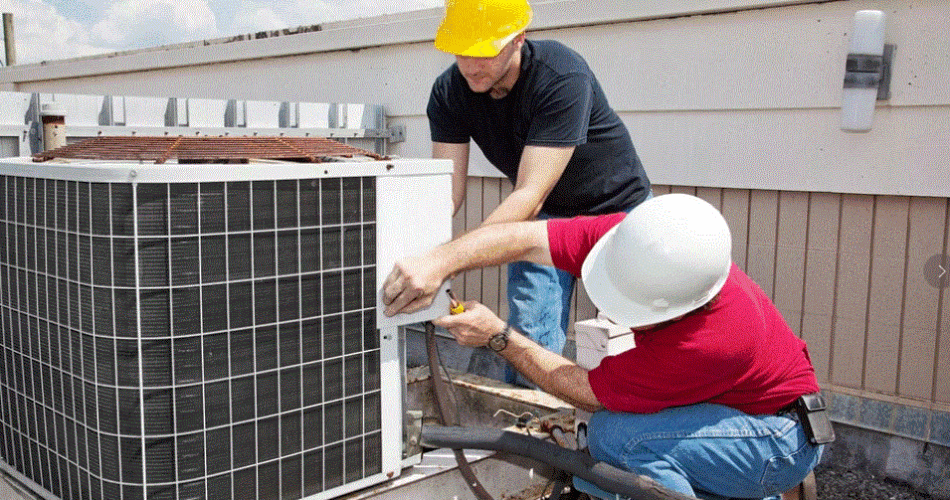
A properly functioning heating, ventilation, and air conditioning system is essential for maintaining a comfortable and productive commercial environment. Offices, retail stores, warehouses, restaurants, and industrial facilities depend on reliable climate control to support daily operations and provide a pleasant experience for employees and customers. When HVAC equipment operates continuously, its components gradually experience wear, making regular inspections and servicing important. Professional commercial HVAC maintenance helps businesses identify potential problems, maintain consistent indoor temperatures, and reduce the likelihood of unexpected equipment failures. A well-maintained system can also support better airflow, indoor air quality, and energy efficiency, making HVAC care an important part of responsible property management.
Commercial property owners often face challenges that residential customers do not experience to the same extent. Larger buildings may contain multiple heating and cooling units, extensive ductwork, different temperature zones, and specialized ventilation requirements. Even a minor equipment problem can affect several areas of a building and interrupt normal business activities. Developing a preventive maintenance plan allows business owners to address equipment concerns before they become major operational disruptions. Working with an experienced HVAC contractor such as B&B Mechanical can help businesses maintain their systems through professional inspections, repair services, and ongoing heating and cooling support.
Understanding the Importance of Commercial HVAC Maintenance
Commercial HVAC systems are designed to handle demanding operating conditions, particularly in buildings with high occupancy or extended business hours. Their performance depends on several connected components, including compressors, fans, motors, thermostats, electrical connections, filters, coils, and ventilation systems. When one component develops a problem, the entire system may become less efficient. Regular maintenance allows technicians to examine these components, identify signs of deterioration, and recommend appropriate corrective measures. In addition to supporting equipment reliability, routine servicing helps property managers understand the condition of their systems and plan future repairs or replacements more effectively. For businesses, this proactive approach can reduce operational uncertainty and help maintain a comfortable indoor environment throughout changing weather conditions.
Common HVAC Problems That Affect Commercial Properties
Commercial heating and cooling equipment can experience various problems depending on its age, operating schedule, installation quality, and maintenance history. Restricted airflow is a common concern that may result from clogged filters, dirty coils, blocked vents, or ductwork issues. Electrical faults, worn fan motors, thermostat malfunctions, and refrigerant-related problems can also affect cooling performance. Some warning signs include unusual noises, inconsistent temperatures, excessive system cycling, unpleasant odors, and unexpectedly high electricity bills. Businesses should not ignore these symptoms because continued operation under unsuitable conditions may place additional stress on equipment. Professional technicians can inspect the system, identify the underlying cause, and recommend repairs based on the equipment’s actual condition rather than relying on temporary solutions.
Essential Components of a Preventive Maintenance Program
An effective maintenance program should address the individual requirements of each commercial HVAC system. Filter inspections and replacements are important because accumulated dust and debris can restrict airflow and affect indoor air quality. Technicians should also inspect evaporator and condenser coils, examine electrical connections, assess fan and motor operation, and check condensate drainage. Thermostat calibration and airflow measurements can help determine whether the system is distributing conditioned air appropriately. Outdoor equipment should remain free from vegetation, debris, and other obstructions that interfere with ventilation. Depending on the equipment, maintenance may also involve examining belts, inspecting ductwork, checking refrigerant-related performance, and evaluating safety controls. The frequency of these services should reflect manufacturer recommendations, equipment usage, building conditions, and the operational demands of the business.
How Commercial HVAC Maintenance Supports Energy Efficiency
Energy consumption is a significant operating expense for many commercial properties, particularly in regions where air conditioning is required for extended periods. Poorly maintained equipment may consume more electricity when restricted airflow, dirty components, mechanical wear, or incorrect thermostat settings interfere with normal operation. Professional servicing helps identify conditions that may contribute to unnecessary energy use. Cleaning accessible components, correcting airflow problems, replacing unsuitable filters, and addressing equipment faults can support more efficient operation. Businesses can also benefit from reviewing thermostat schedules and considering zoning improvements where appropriate. However, energy efficiency depends on several factors, including building insulation, occupancy, equipment capacity, and operating habits. A professional assessment can help property managers prioritize improvements that offer practical benefits without investing in unnecessary upgrades.
Why Businesses Need a Qualified Commercial HVAC Contractor
Commercial HVAC equipment often involves more complex technical requirements than standard residential systems. Selecting a qualified contractor is therefore important for maintaining equipment correctly and addressing problems safely. Businesses should evaluate a contractor’s industry experience, licensing, insurance, technical capabilities, communication, and pricing transparency. A professional provider should explain inspection findings, distinguish essential repairs from optional improvements, and provide clear estimates before beginning additional work. Contractors should also understand the importance of minimizing disruption to business operations while completing scheduled servicing. B&B Mechanical offers heating and cooling installation, repair, and maintenance solutions for commercial and industrial properties. With more than 18 years of industry experience, the family-owned and insured company provides professional HVAC support across Brazoria, Matagorda, and Montgomery counties.
Scheduling Maintenance to Prevent Unexpected Equipment Failures
The timing of maintenance plays an important role in commercial equipment management. Waiting until the hottest or coldest period of the year to inspect a system can leave businesses vulnerable to equipment problems during periods of high demand. Scheduling inspections before peak cooling and heating seasons gives technicians an opportunity to identify developing issues and address necessary repairs. Buildings with continuous operations, high occupancy, or demanding environmental requirements may need more frequent attention than properties with limited operating hours. Property managers should maintain service records containing inspection dates, replaced components, identified problems, and completed repairs. These records make it easier to recognize recurring issues, monitor equipment condition, and prepare realistic maintenance budgets. A planned approach also helps businesses coordinate HVAC work around operating schedules and reduce avoidable interruptions.
The Long-Term Value of Investing in Professional HVAC Care
Maintaining commercial heating and cooling equipment is not simply an expense; it is an important part of protecting a building’s infrastructure. Consistent servicing can help extend equipment usability, improve operating conditions, and identify repair needs before they develop into more complicated problems. Comfortable indoor temperatures also contribute to a better experience for employees, customers, visitors, and tenants. For property owners managing multiple systems, maintenance planning provides greater visibility into equipment performance and future replacement requirements. Businesses should consider the total operating condition of their HVAC systems rather than focusing exclusively on the initial cost of repairs. Investing in professional inspections and appropriate maintenance measures can support more predictable building operations and better long-term equipment management.
Conclusion
Commercial heating and cooling systems require consistent attention to maintain reliable performance, comfortable indoor conditions, and efficient building operations. From inspecting filters and electrical connections to evaluating airflow, cleaning essential components, and correcting developing faults, preventive servicing helps businesses manage their HVAC equipment more effectively. Choosing an experienced contractor, maintaining accurate service records, and scheduling inspections before periods of heavy equipment use are practical steps toward reducing unexpected disruptions. Professional commercial HVAC maintenance also helps property managers make informed decisions about repairs, upgrades, and eventual equipment replacement. B&B Mechanical provides experienced commercial and industrial HVAC solutions for businesses seeking dependable installation, repair, and maintenance support. Ultimately, a proactive maintenance strategy is a valuable investment in equipment reliability, workplace comfort, and the long-term performance of any commercial property.