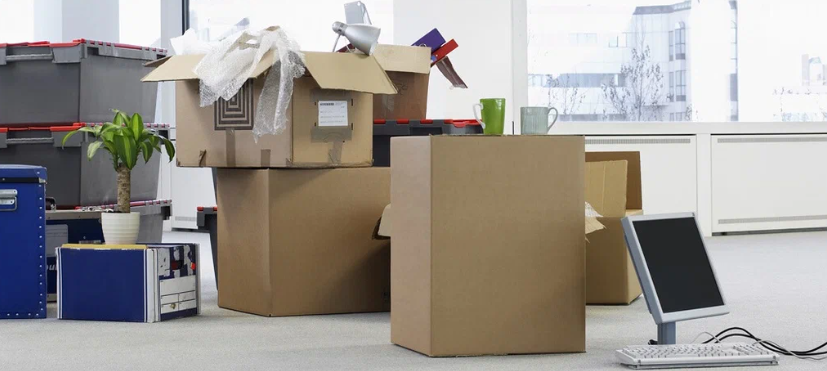
Clutter can affect how comfortably a property is used. When unused furniture, old appliances, boxes, and miscellaneous materials begin occupying important areas, rooms can become harder to clean, organize, and maintain. A well-planned decluttering project can restore usable space without requiring homeowners or businesses to make rushed decisions.
For people considering a Junk Removal Service in Ashland, MA, it helps to understand what preparation can make the process smoother. Identifying the type of material, separating useful belongings, and considering access to the property are all practical parts of organizing a cleanup.
Decluttering can also be an opportunity to improve long-term organization. Rather than treating unwanted possessions as a single pile of waste, property owners can decide which items should be retained, donated, recycled, repurposed, or removed.
Identify the Areas Causing the Most Problems
Not every part of a property needs attention at the same time. Start by identifying spaces where clutter is interfering with normal activities. A crowded garage may prevent vehicle storage, while an overloaded basement can make maintenance access difficult.
Prioritizing these areas gives the cleanup a clear purpose. Instead of attempting to empty the entire property immediately, focus first on locations where removing unnecessary items will have the greatest practical effect. Once those areas are under control, other spaces can be addressed gradually.
Use a Simple Sorting System
Sorting is one of the most important steps in any major decluttering project. Create separate groups for belongings that will stay, items that may be donated or sold, recyclable materials, and things that require disposal.
A clear system prevents useful possessions from accidentally being discarded. It also makes the final removal stage more organized because unwanted materials are already identified. For larger cleanouts, labeling boxes or designated areas can make the process easier for everyone involved.
Review Stored Items Honestly
Storage spaces often contain belongings that have not been used for years. People may keep things because they might become useful someday, even when there is little practical reason to retain them.
When reviewing stored possessions, consider how frequently each item is actually used and whether replacing it would be difficult or expensive. Broken items that have remained unrepaired for years may also deserve closer consideration. Honest evaluation can significantly reduce unnecessary storage and make remaining possessions easier to manage.
Approach Large Items With Extra Care
Bulky furniture, appliances, exercise equipment, and other oversized belongings can create physical challenges during a cleanup. Their weight and dimensions can make stairs, doorways, and narrow hallways difficult to navigate.
Measure large objects when necessary and consider their route out of the building before attempting to move them. Protect finished surfaces where appropriate, and avoid lifting objects that exceed what can be handled safely. Proper planning can reduce the likelihood of injuries and accidental property damage.
Declutter Before a Home Renovation
Removing unnecessary belongings before renovation work begins can make a significant difference. Contractors and homeowners need sufficient working space, and crowded rooms can make it harder to access walls, floors, fixtures, and other areas being improved.
Before a project begins, identify furniture and stored possessions that will no longer be needed. Clearing these items can provide more room for construction activities and reduce the amount of material that needs to be moved repeatedly during the renovation.
Deal With Yard and Outdoor Clutter
Outdoor areas can accumulate unwanted materials just as quickly as indoor spaces. Old patio furniture, broken equipment, unused planters, damaged storage containers, and miscellaneous items can gradually occupy yards, sheds, and other exterior areas.
Seasonal maintenance provides a useful opportunity to review outdoor belongings. Items that are damaged beyond practical repair can be separated from equipment that is still useful. Keeping exterior areas clear can also make landscaping, gardening, and routine property maintenance easier.
Prepare for Moving or Downsizing
A move often reveals just how many belongings have accumulated over the years. Transporting everything to a new property may seem convenient, but it can create unnecessary costs and additional storage problems.
Sorting before moving day allows homeowners to decide what genuinely deserves space in the new location. Furniture that does not fit, outdated appliances, unused equipment, and duplicate household items can be addressed before transportation. This can make the move itself more manageable and reduce the amount of unpacking afterward.
Businesses Can Benefit From Periodic Cleanouts
Workplaces also need regular decluttering. Old desks, chairs, shelving, equipment, packaging, and outdated supplies can occupy valuable areas and make offices appear disorganized.
Businesses can establish a periodic review process to identify items that are no longer required. During an office renovation or relocation, a more comprehensive inventory may be useful. Employees should receive clear instructions about what is being removed so that necessary equipment or documents are not accidentally discarded.
Consider Recycling and Reuse Options
Responsible decluttering includes considering what happens after an item leaves the property. Materials such as metal, cardboard, certain electronics, and other recyclable goods may have appropriate recycling channels.
Reusable belongings may also be donated or passed to another person. These options can reduce the amount of material sent directly to disposal facilities. However, property owners should confirm local requirements because not every item is accepted through ordinary recycling programs.
Understand When Professional Assistance Makes Sense
Small amounts of clutter may be relatively easy to manage independently. Larger projects can become more demanding when they involve heavy furniture, numerous appliances, renovation debris, or several rooms.
When considering a Junk Removal Service in Ashland, MA, describe the project accurately and identify any particularly large or unusual materials. Information about property access and approximate volume can also help establish realistic expectations. Professional assistance may be especially useful when the cleanup is too physically demanding or time-consuming to handle alone.
Keep Newly Cleared Spaces Organized
A clean space can quickly become cluttered again if there is no plan for the belongings that remain. Once a room, garage, or storage area has been cleared, assign specific locations to frequently used items.
Avoid treating empty shelves and floors as invitations to store more unnecessary possessions. Regularly review belongings and deal with unwanted items before they accumulate. Small maintenance efforts are generally easier than waiting several years for another major decluttering project.
Conclusion
A successful decluttering project combines thoughtful decisions with practical preparation. By prioritizing problem areas, sorting belongings, handling large items carefully, considering recycling options, and establishing better storage habits, property owners can make their spaces considerably easier to use. For larger cleanouts around Ashland, Number 1 Junk Removal can be considered when the quantity or size of unwanted materials makes independent removal inconvenient.