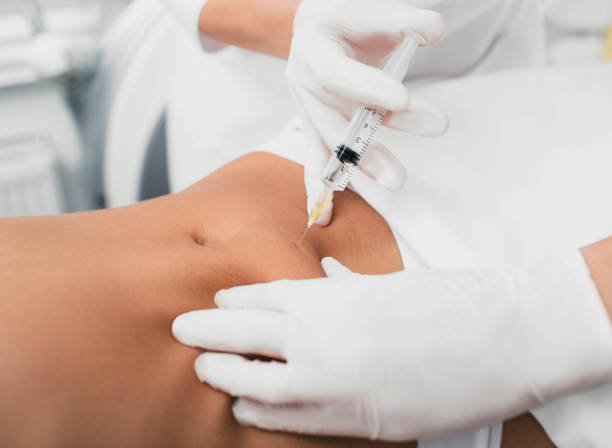
Fat can sometimes remain in specific areas even when a person follows steady eating and activity habits. Fat Melting Injections in Abu Dhabi are designed to target small, localized pockets of fat through a series of injections. Understanding how they work helps people learn what the treatment can—and cannot—do.
What Are Fat-Melting Injections?
Fat-melting injections are nonsurgical treatments that place a fat-dissolving substance into a selected area beneath the skin. The substance commonly used in approved treatments is deoxycholic acid, a compound that helps break down dietary fat in the digestive system. When injected into a suitable treatment area, it disrupts the structure of nearby fat cells.
These injections are intended for localized fullness rather than general weight reduction. They do not replace weight-management habits, nor are they designed to treat large areas of fat or significantly change a person’s overall body weight.
How Do the Injections Break Down Fat Cells?
The injection reaches a targeted area
A trained professional marks the treatment area and places small injections at specific points. The active substance is delivered into the layer of tissue containing the targeted fat cells. Careful placement matters because the surrounding structures need protection.
The active ingredient disrupts cell membranes
Fat cells are surrounded by membranes that keep their contents contained. Deoxycholic acid can disrupt these membranes, causing the targeted cells to break apart. This process is different from simply shrinking fat cells temporarily; the treated cells are damaged and gradually cleared by the body.
The body clears the damaged cells
After the cells are disrupted, the body’s normal processes remove their contents and cellular debris over time. This clearing process does not happen instantly. The treated area may take several weeks to settle, and changes usually appear gradually rather than immediately after the appointment.
The body’s response varies from person to person. The size of the area, the amount of localized fat, the injection plan, and individual healing patterns can all influence how noticeable the final change becomes.
Which Areas May Be Treated?
The best-known use for deoxycholic-acid injections is fullness beneath the chin. In some settings, other small areas may be considered, but suitability depends on the specific treatment, the person’s anatomy, and local regulatory guidance.
A consultation helps determine whether the fullness comes mainly from fat. Skin looseness, muscle structure, or other factors may contribute to the appearance of an area, and injections may not address those causes. A qualified professional can explain whether another approach would better match the person’s goals.
What Happens During the Treatment Process?
The process generally begins with an assessment of the target area and a discussion of the person’s expectations. The professional reviews relevant health information, examines the tissue, and determines whether the treatment is appropriate.
If the person proceeds, the area is prepared and marked to guide placement. The injections are made according to a planned pattern. The appointment is usually focused on the selected area, and the person receives instructions about what to expect while the body processes the treated cells.
One session may not produce the desired result. Some people need a series of treatments, with enough time between sessions for the area to recover and the response to become clearer. The number and spacing of sessions depend on the individual plan rather than a fixed schedule.
What Results Can a Person Expect?
The goal is a gradual reduction in a small pocket of localized fullness. Results are not the same as weight loss, and the scale may not change noticeably. Instead, the treated area may look more defined as the damaged cells are cleared.
Results differ between individuals, and the treatment cannot guarantee a particular appearance. A realistic discussion before treatment helps clarify what improvement may be achievable, how long it could take, and whether the method suits the person’s anatomy and expectations.
How long does it take to see a change?
Changes usually develop over several weeks as the body clears the disrupted cells. The area may continue to improve after treatment, so an early appearance does not always represent the final result.
Are multiple sessions always needed?
Not always. The need for additional sessions depends on the amount of fullness and the response to the first treatment. A professional can assess progress before recommending another session.
Frequently Asked Questions
Do fat-melting injections remove fat from the whole body?
No. They target a specific, limited area and are not intended for whole-body fat reduction or weight loss.
Do the injections shrink fat cells?
The treatment is designed to disrupt targeted fat cells so the body can gradually clear them. This differs from approaches that only aim to temporarily reduce the size of fat cells.
Can the treatment define every type of fullness?
No. Fullness can have several causes, including skin laxity or underlying anatomy. The injections address fat tissue in suitable areas, not every factor that affects appearance.
Is a consultation important?
Yes. An assessment helps confirm whether the area is appropriate for treatment, explain the expected process, and establish realistic goals. The professional can also review the person’s health history and answer questions before any decision is made.
The Main Takeaway
Fat-melting injections work by disrupting targeted fat-cell membranes and allowing the body to clear the damaged cells over time. Fat Melting Injections in Abu Dhabi may be considered for small, localized areas when a qualified professional determines that the treatment is suitable. A careful assessment and realistic expectations are central to understanding the process and its potential results.