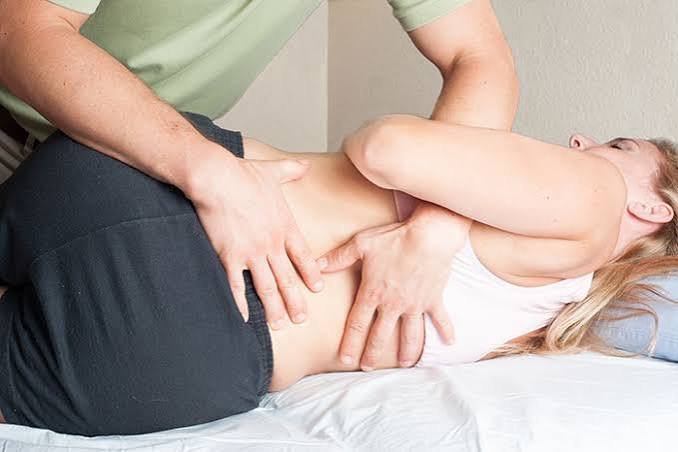
Dealing with stubborn muscle knots, deep aching, or lingering tension that keeps coming back can make ordinary days around Austin feel frustrating. Turning your head in traffic, reaching for a high shelf, sitting through long hours at a desk, or getting back into workouts takes extra effort when tight muscle bands refuse to let go. Many people try stretching, rolling on a foam ball, or resting for a few days, only to feel that same tight pull return once normal routines pick up again. Exploring dry needling physical therapy Austin active adults and local residents turn to offers a focused way to release tight bands and support smoother movement.
How Stubborn Muscle Tension Affects Everyday Movement
Muscles are meant to contract and relax smoothly as your joints move through daily tasks. When a muscle is overworked, strained after a workout, or held in a guarded position due to joint irritation or stress, localized tight bands can form within the muscle fibers. Those tight bands often feel tender to the touch, restrict comfortable stretch, and sometimes refer dull aching into nearby areas.
Over time, lingering muscle tension can alter how nearby joints share load and make simple actions like bending, lifting, turning, or running feel stiffer than usual. Addressing those tight bands directly as part of a broader movement plan helps restore healthier muscle pliability and freer joint motion.
What Happens During Your First Evaluation
Starting a care plan feels much easier when you know what happens at your first appointment. Your visit begins with a calm, unhurried conversation about where you feel tightness or discomfort, when it started, what movements or postures trigger it, any relevant medical or injury history, and the activities you want to get back to enjoying.
Your clinician then checks range of motion, muscle tone, flexibility, strength, and functional movement patterns relevant to your goals. Everything is explained in plain, everyday language so you know why specific areas are targeted and how dry needling physical therapy Austin clinicians provide fits into your overall recovery plan. At Carter Physiotherapy, care is shaped around your personal comfort and daily goals from day one.
How Targeted Needling Works Alongside Movement
During a session, a trained clinician inserts very thin, sterile filiform needles into specific tight bands within affected muscles. The goal is to help overactive muscle fibers release tension, improve local blood flow, and calm heightened sensitivity so the tissue can move more freely.
Pairing dry needling physical therapy Austin patients appreciate with active movement is where lasting progress happens. Once a tight band eases up, gentle mobility work and targeted exercises help reinforce healthier muscle length and control before old tension patterns settle back in.
Rebuilding Strength and Stability Around Released Tissues
Releasing a tight muscle is only one piece of a complete recovery plan. Muscles often tighten up again if surrounding stabilizers lack endurance, if posture habits place repeated load on the same area, or if nearby joints move stiffly.
Through guided strengthening, your care team helps build steady support around your neck, shoulders, back, hips, knees, or ankles so tissues handle daily demands without overworking. Gradual progression from controlled activation exercises to functional resistance helps make improvements hold up in real life.
What to Expect During and After a Session
Knowing how your body might respond before and after treatment helps take away guesswork. During a session, you may feel a brief pinch, a subtle twitch as a tight muscle band responds, or a dull ache that settles quickly. Afterward, some people notice mild muscle soreness similar to a light workout for a day or two, while others feel looser right away.
Drinking plenty of water, staying gently active with light walking or easy range of motion rather than intense overload, and letting your clinician know how you felt the next day all help guide smooth progression from visit to visit.
Everyday Habits That Protect Your Progress Between Visits
Clinic sessions set an important foundation, yet daily habits between appointments often decide how smoothly you progress. Practicing your home exercise routine consistently helps reinforce new range of motion and muscle coordination without needing long, complicated workouts. Clean, controlled movement and steady consistency always matter more than rushing repetitions or pushing into sharp pain.
Simple daily adjustments around Austin also help keep tension from building back up. Keeping a short note on how your muscles respond after workdays, workouts, or weekend projects also helps your clinician fine tune your home routine at each follow up. Paying attention to desk and screen setup, using your legs rather than rounding your back when lifting items, taking brief movement breaks during long stretches of sitting or driving, and getting restful sleep all support healthier recovery.
Smart Activity Pacing Instead of Boom and Bust
Many people dealing with recurring aches fall into a frustrating boom and bust cycle. On sore days, they avoid movement altogether, and then on a better day they try to catch up on yard work, errands, or workouts all at once, waking up stiff or tight the next morning.
Learning steady activity pacing helps you find a balanced middle ground. By breaking tasks into manageable steps, mixing in light movement breaks, and noticing early signs of fatigue, you build tolerance gradually without triggering unnecessary setbacks. Working with dry needling physical therapy Austin community members rely on makes pacing clearer because your clinician helps adjust effort as your capacity grows.
Supporting Recovery From Sports, Work, and Everyday Strain
Whether you are bouncing back from a running or lifting strain, long hours at a computer, yard work, or an ongoing musculoskeletal ache, structured care provides clear milestones along the way. Early sessions often focus on calming tight, irritable muscles and restoring comfortable range of motion, while later stages build strength, resilience, and confidence for full activity.
When you pursue structured rehabilitation matched to your recovery stage, your plan evolves alongside your healing rather than staying stuck at week one. Regular check ins help track real improvements in how easily you move during workouts, workdays, and weekend outings.
Choosing Care That Fits Your Comfort and Goals
Feeling heard, respected, and clearly informed makes a big difference whenever you try a hands on therapy approach. A supportive care team explains what to expect before and during each session, checks in on your comfort level, and adapts your plan whenever your body gives feedback.
Choosing dry needling physical therapy Austin residents trust gives you structured guidance focused on practical movement and lasting independence. At Carter Physiotherapy, attentive coaching and clear milestones help turn daily recovery steps into lasting results.
Conclusion
Moving past stubborn muscle tightness and everyday discomfort does not have to mean guessing through recovery alone. By combining targeted release, active mobility, progressive strengthening, and smart daily habits with dry needling physical therapy Austin individuals rely on, you can support smoother motion and greater comfort. Taking that first step gives you a steady, practical path back to the routines and activities you enjoy.
Over time, keeping a simple routine of mobility work, strength maintenance, and mindful movement habits helps protect your body when you take on busy weeks, travel, or active hobbies around town. Whether you are getting back to running trails, lifting weights, playing recreational sports, or working comfortably at your desk without nagging tension, steady care adds up week by week.