Health in 2026 is becoming less about quick fixes and more about everyday habits that people can realistically maintain. Sleep, movement, nutrition, preventive care, mental well-being, and digital health tools are receiving more attention as people look for practical ways to manage their health.
The shift is also visible in India, where recent health data continues to highlight the importance of preventive healthcare, balanced nutrition, and lifestyle changes. The latest National Family Health Survey findings point to progress in several areas while also identifying lifestyle-related risks and the continuing need for better nutrition and prevention.
For readers interested in health, the important point is simple: useful health habits do not always need to be complicated. Small changes, repeated consistently, can become part of a sustainable routine.
Preventive Health Becomes Part of Everyday Life
Preventive healthcare is gaining more attention as people become more interested in identifying health risks before they become serious problems. Regular checkups, vaccinations, appropriate screenings, healthy eating, physical activity, and maintaining a healthy weight can all form part of a preventive approach.
India’s recent health data shows improvements in areas such as maternal and child health and immunisation, while also highlighting concerns related to non-communicable diseases, lifestyle risks, undernutrition, and overweight or obesity.
A practical preventive routine can include:
- Scheduling health checkups based on age and individual risk factors.
- Keeping vaccinations up to date.
- Monitoring blood pressure and other relevant health measurements.
- Paying attention to changes in energy, sleep, appetite, or physical condition.
- Discussing persistent symptoms with a qualified healthcare professional.
- Building healthy habits before health problems become difficult to manage.
Self-care is also part of this wider approach. WHO describes self-care as actions that help individuals and communities maintain health and prevent disease, including healthy eating, physical activity, adequate sleep, and avoiding tobacco and harmful alcohol use.
The focus is therefore moving toward health management as an ongoing process rather than something people think about only when they become ill.
Sleep and Daily Recovery Take a Bigger Role
Sleep has become an important part of the modern health conversation. Busy work schedules, screen use, commuting, family responsibilities, and irregular routines can all make consistent sleep difficult.
In 2026, sleep tracking through smartwatches and other wearable devices is also becoming more common. These tools can help users notice broad patterns, but health experts caution that consumer wearables should not be treated as medical devices.
Good sleep habits remain relatively simple. A consistent bedtime, a comfortable sleeping environment, reduced late-night screen exposure, and a regular daily routine can support better sleep for many people.
At the same time, persistent sleep problems should not simply be dismissed as a lifestyle issue. Ongoing difficulty sleeping, loud snoring, excessive daytime sleepiness, or other concerning symptoms may require professional evaluation.
Some people are also becoming interested in products and online communities around lifestyle choices. For example, searches for terms such as Custard Monster salt e-liquid may appear alongside broader lifestyle content online, but readers should separate product trends from evidence-based health guidance.
A realistic health routine does not need to involve expensive gadgets or complicated routines. Sleep remains one of the basic areas worth paying attention to.
Nutrition and Physical Activity Stay at the Center
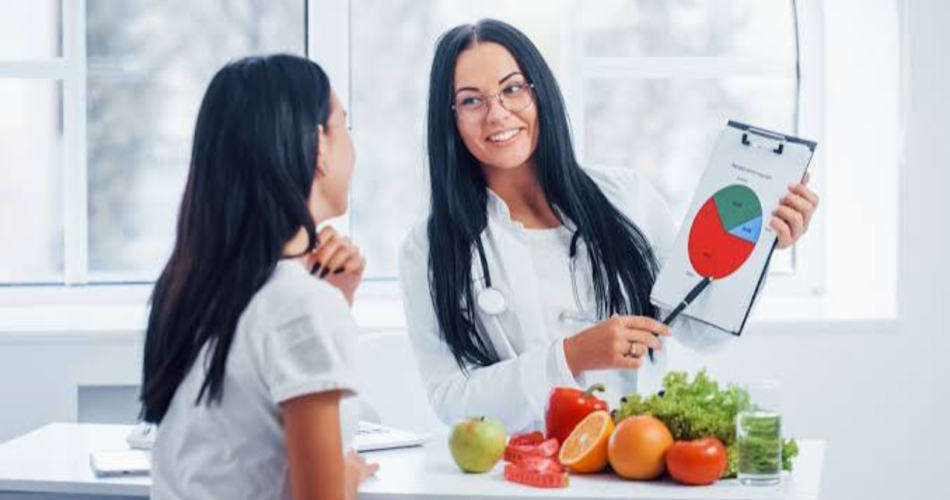
Nutrition continues to be one of the most important areas of everyday health. A balanced diet generally means including a variety of foods rather than relying heavily on one type of food or eliminating entire categories without a clear reason.
WHO recommends a diet containing foods such as vegetables, fruits, legumes, whole grains or other staple foods, and appropriate sources of protein. It also recommends limiting excessive intake of salt, free sugars, saturated fats, and industrially produced trans fats.
Simple nutrition habits can include:
- Adding more vegetables and fruits to regular meals.
- Choosing whole or minimally processed foods more often.
- Including suitable protein sources.
- Drinking enough water throughout the day.
- Paying attention to portion sizes.
- Limiting foods and drinks high in added sugars.
- Checking nutrition labels when buying packaged foods.
Physical activity is equally important. WHO reports that regular physical activity supports physical and mental health and helps prevent and manage several non-communicable diseases. Its guidance also emphasises that some activity is better than none and that reducing sedentary time matters.
This does not mean everyone needs an intensive gym routine. Walking, cycling, household activity, recreational sports, stretching, and strength exercises can all contribute to a more active lifestyle.
The key is consistency. A manageable routine that fits around work and family responsibilities is often easier to maintain than an extreme plan that lasts only a few weeks.
For people researching food and lifestyle topics online, phrases such as Custard Monster Flavors may also appear in search results unrelated to evidence-based nutrition. Such commercial terms should not be confused with dietary recommendations or health guidance.
Digital Health Supports More Informed Routines
Technology is becoming another part of everyday healthcare. Mobile applications, online consultations, electronic health records, wearable devices, and digital health platforms can make certain health services easier to access and organise.
India’s Aarogya Setu 2.0, launched in June 2026, was redesigned as a citizen-facing digital health application and personal health record within the country’s broader digital health ecosystem. The government said the platform is intended to provide a gateway to health services and support adoption of digital health capabilities.
Digital tools can be useful for:
- Keeping track of appointments.
- Recording selected health information.
- Monitoring activity and sleep patterns.
- Accessing health-related services.
- Maintaining personal health records.
- Finding reliable health information.
However, more data does not automatically mean better health decisions. A wearable may show changes in heart rate or sleep patterns, but interpreting those measurements can require context. India Today notes that consumer sleep trackers can identify broad trends but should not be treated as medical devices.
This is where responsible health information matters. Online searches can introduce people to useful ideas, but they can also mix scientific information with advertising, personal opinions, and unverified claims. Custard Monster Official is an example of a commercial search term that may appear within broader lifestyle content, but it should not be presented as a substitute for professional health information.
The best use of technology is therefore supportive rather than absolute. Digital tools can help people organise information and notice patterns, while qualified healthcare professionals remain important for diagnosis and treatment decisions.
Conclusion
Health trends in 2026 show a practical shift toward prevention, regular movement, balanced nutrition, better sleep, mental well-being, and responsible use of digital health tools. Recent health evidence from India and international health organisations reinforces the importance of these everyday foundations.
The most useful approach is not to chase every new health trend. Instead, people can focus on habits that are realistic, evidence-based, and suitable for their individual circumstances.
A healthier lifestyle can start with ordinary actions: eating balanced meals, moving regularly, getting enough sleep, attending appropriate health checkups, managing stress, and seeking professional advice when something does not feel right. These basics remain relevant even as health technology and wellness trends continue to change.