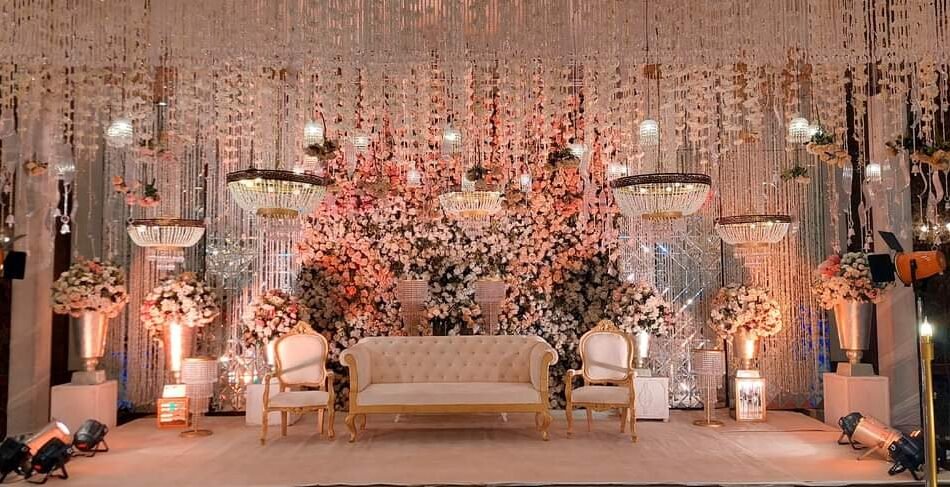
Most Lahore weddings unfold across several functions within a tight window, and the real test of any planning team is not how beautifully a single stage is decorated; it is whether the mehndi, baraat, and walima all run on schedule without exhausting the family in between. Families researching the best wedding event planners in Lahore are often surprised to learn how much of a planner’s actual work happens away from the venue entirely, in vendor scheduling, timeline building, and contingency planning long before any decor goes up.
Building a Timeline That Survives Contact With Reality
A wedding timeline on paper always looks cleaner than it plays out in practice. Guests arrive later than expected, a key family member is delayed in traffic, or the caterer needs an extra thirty minutes because a dish did not turn out the way it was tested. An experienced wedding event planner in Lahore builds buffer time into every transition point precisely because these delays are the norm rather than the exception, rather than scheduling back-to-back segments with no room for the inevitable slippage that comes with a large family gathering.
This buffer thinking extends to vendor sequencing as well. Photographers need a clear window to capture key moments without rushing the couple through poses, caterers need enough lead time to serve a large guest count without long queues forming near the food stations, and the sound and lighting team needs a genuine changeover period between the mehndi’s more casual atmosphere and the walima’s more formal presentation. A planner who has run this sequence dozens of times across different Lahore venues knows roughly how long each transition actually takes in practice, not just how long it looks like it should take on a printed schedule, and adjusts the plan accordingly rather than forcing reality to match an idealized document.
Coordinating across multiple venues within the same week adds another layer entirely. Many families hold their mehndi at a farmhouse in DHA, the baraat at a banquet hall closer to the city, and the walima somewhere else again, which means vendor teams, rented furniture, and even leftover decor elements sometimes need to move between locations on a tight overnight turnaround. A planner managing this transition well has already confirmed transport logistics and staffing for the changeover days in advance, rather than discovering a scheduling conflict once the mehndi has already wrapped up and there is no longer any time left to fix it cleanly.
What Happens When Something Goes Wrong
Every Lahore wedding season includes its share of last-minute surprises, and how a planning team handles them says more about their actual value than any polished proposal document. A vendor cancels two days before the event. A sudden change in guest count arrives after the caterer has already confirmed quantities. A key family member’s flight is delayed, pushing back the entire baraat schedule by hours. These are not rare edge cases; they are a normal part of running large, multi-day family events, and the strongest wedding planners in Lahore treat contingency planning as a core part of the job rather than an afterthought.
In practice, this means having backup vendor contacts already vetted before they are ever needed, keeping a flexible relationship with venues that allows for reasonable timing adjustments, and briefing the family early on which decisions can be made quickly without needing to consult everyone involved when time is genuinely short and a decision cannot wait for a family meeting. Families who have worked with a genuinely experienced planner often describe the wedding week as calmer than expected, not because nothing went wrong, but because problems were absorbed and resolved before they ever became visible to the guests or even to the family itself.
Communication style matters just as much as technical skill here. A planner who keeps the family informed with brief, clear updates rather than either overwhelming them with every minor detail or leaving them completely in the dark creates a very different experience than one who does either extreme. The best coordination happens quietly, in the background, with the family free to actually enjoy their own wedding rather than functioning as an unpaid project manager throughout the week, chasing vendors and relaying updates between relatives.
Vendor relationships built over multiple wedding seasons also pay off in these moments in ways that are hard to quantify in a proposal. A caterer who has worked with the same planner for several years is far more likely to accommodate a genuine emergency, an extra thirty guests, or a menu adjustment at short notice than one meeting the planning team for the first time on this particular event. This kind of trust, built over repeated collaboration across many Lahore weddings, is often the quiet difference between a stressful last-minute fix and one that guests never even notice happened.
Why the Handover Between Functions Deserves as Much Attention as the Functions Themselves
Families tend to focus their attention on the individual functions themselves, the mehndi’s colors, the baraat’s entrance, the walima’s stage, and understandably so. What often gets overlooked is how much planning goes into the quieter hours between functions, when a venue needs to be cleared, cleaned, and reset, sometimes overnight, before the next event begins. A rushed or poorly staffed changeover shows up immediately the following day, in a stage that looks slightly unfinished or a seating arrangement that was never quite completed on time.
The best wedding event planners in Lahore treat these transition windows as seriously as the functions on either side of them, staffing overnight changeover crews adequately and confirming with the venue in advance exactly how much time is genuinely available before the next function’s guests start arriving. This is a detail families rarely think to ask about during the initial planning conversations, but it consistently separates a wedding week that feels polished throughout from one where quality noticeably dips after the first function.
It also affects vendor morale and reliability in ways that ripple forward through the week. A decor and staging team that is rushed and understaffed during an overnight changeover is more likely to make small mistakes the next day, like a missing floral element or a lighting fixture positioned slightly off, simply because they were working under unnecessary time pressure that better planning could have avoided entirely. Families who ask their planner directly about changeover staffing and timing during the initial consultation are often surprised at how much this single detail affects the overall quality of every function that follows the first one.