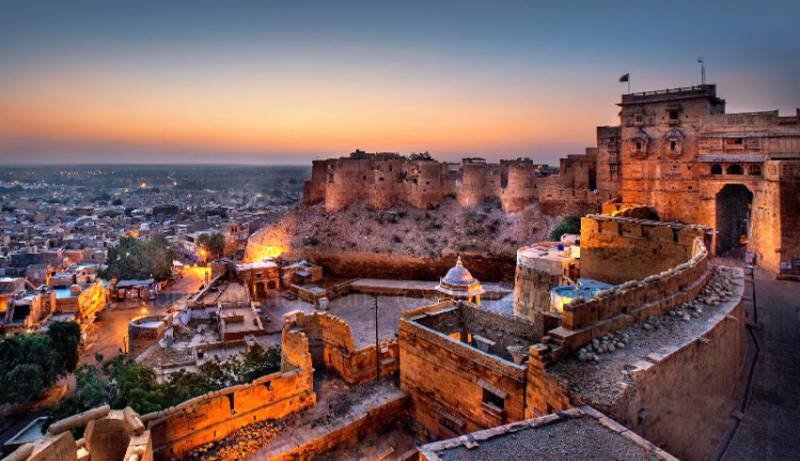
Rajasthan is one of those destinations that looks incredible in photos and feels even bigger once you’re standing in it — golden forts rising out of the desert, camel trains crossing the dunes at sunset, and cities where every wall seems to be painted, carved, or mirrored. For travelers who want to see all of it without the stress of planning logistics city by city, group tour packages for Rajasthan have become the easiest way to experience the state properly.
This guide walks through what a good group tour actually covers, why the desert safari camp experience is worth building your trip around, and how to pick a tour operator in Rajasthan you can actually trust with your itinerary.
Why Choose Group Tour Packages for Rajasthan
Rajasthan is large — bigger than most first-time visitors expect. Jaipur, Jodhpur, Udaipur, Jaisalmer, and Pushkar are all several hours apart by road, and each city has its own rhythm, dialect, and specialties. Trying to string together trains, private cabs, and hotel bookings on your own usually eats into the time you’d rather spend exploring.
A well-designed group tour package solves three problems at once:
- Transport is handled. No negotiating with drivers or figuring out which train has availability during peak season.
- The route is sequenced properly. Good itineraries move you through the “Golden Triangle” and further into the Thar Desert in an order that minimizes backtracking and long travel days.
- Local knowledge is built in. A guide who has walked through the City Palace or Mehrangarh Fort a hundred times will point out details — a hidden courtyard, the story behind a particular fresco — that you’d otherwise walk straight past.
Most group packages for Rajasthan run somewhere between 6 and 12 days, covering a mix of Jaipur’s forts and bazaars, Udaipur’s lakes, Jodhpur’s blue city streets, and a stretch of time in the Thar Desert around Jaisalmer or Bikaner. Packages are usually built for small-to-mid-size groups, which keeps the pace comfortable while still being social.
What’s Typically Included
- Air-conditioned road transport between cities
- Hotel or heritage haveli stays (often with breakfast included)
- A local guide or tour manager for the full circuit
- Monument entry fees at major sites (forts, palaces, temples)
- At least one desert safari and overnight camp stay
The Rajasthan Desert Safari Camp Experience
If there’s one part of a Rajasthan trip that people talk about years later, it’s the night spent in a Rajasthan desert safari camp. This isn’t just a side activity tacked onto an itinerary — for many travellers, it’s the reason they booked the trip in the first place.
Here’s what a typical desert camp experience looks like:
- Jeep or camel safari into the dunes. Most camps organize this in the late afternoon, timed so you’re out on the sand as the light starts to soften.
- Sunset over the Thar Desert. The dunes near Sam or Khuri (outside Jaisalmer) are the classic spot for this — the sand takes on a deep gold-to-orange color that’s hard to capture fully in a photo.
- An evening at camp. Most desert camps are set up with traditional Rajasthani tents, some quite basic and others surprisingly comfortable with attached bathrooms and proper bedding.
- Folk performances around a bonfire. Local Manganiyar or Langa musicians, along with Kalbelia dance performances, are a regular feature at established camps — this is genuine regional folk culture, not a staged tourist add-on.
- Dinner under the stars. Rajasthani thali dinners — dal baati churma, gatte ki sabzi, and other regional dishes — are usually served buffet-style at the camp.
- A quiet night in the desert. Away from city light pollution, the stargazing alone is worth the trip for many visitors.
Choosing the Right Desert Camp
Not all camps are the same, and this is where a good tour operator earns their fee. Some things worth checking before you book:
- Location matters. Sam Sand Dunes get more visitor traffic; Khuri and some of the more remote dune sites offer a quieter, less commercialized experience.
- Tent quality varies widely, from simple canvas tents with shared facilities to “luxury desert camps” with private bathrooms and proper beds. Ask specifically what’s included.
- Season affects comfort. Winter (October to February) is by far the most comfortable time for a desert safari — daytime heat is manageable and nights are cool rather than freezing or scorching.
- Genuine cultural programming vs. generic entertainment. The best camps work with local folk artists rather than running a generic “cultural night” show.
How to Pick a Reliable Tour Operator in Rajasthan
With so many operators offering near-identical-sounding itineraries, the difference between an average trip and a great one usually comes down to who’s running it. A few things worth checking before you commit:
- Transparent inclusions. A trustworthy tour operator in Rajasthan will spell out exactly what’s covered — transport, meals, entry fees, camp category — rather than leaving it vague until you arrive.
- Local presence, not just a booking website. Operators based in Rajasthan, with drivers, guides, and camp partnerships they manage directly, tend to handle on-ground issues (a closed monument, a weather change) far better than a purely online agency reselling someone else’s itinerary.
- Flexible group and custom options. Good operators offer both fixed-departure group tours and the ability to customize the route, hotel category, or number of days.
- Clear communication before booking. How quickly and clearly an operator answers your questions before you pay is usually a solid preview of how they’ll handle you during the actual trip.
- Verifiable reviews across multiple platforms, not just testimonials on their own website.
Best Time to Book a Rajasthan Group Tour
October to March is peak season, with the most comfortable weather for both city sightseeing and desert safaris — daytime temperatures are pleasant and evenings are cool enough to enjoy a bonfire at camp comfortably.
April to June brings serious heat, especially in the desert belt around Jaisalmer and Bikaner, where daytime temperatures can be extreme.
July to September is monsoon season — the landscape turns green in a way most visitors don’t expect from “desert” Rajasthan, but travel plans need more flexibility around rain.
If a desert camp stay is a priority, aim for a departure between November and February for the most comfortable overnight experience.
Sample Group Tour Flow (6–8 Days)
- Day 1–2: Arrive Jaipur — Amber Fort, City Palace, Hawa Mahal, local bazaars
- Day 3: Drive to Jodhpur — Mehrangarh Fort, Blue City walk
- Day 4–5: Drive to Jaisalmer — Jaisalmer Fort, Patwon ki Haveli, evening desert safari and overnight camp stay
- Day 6–7: Drive to Udaipur — City Palace, Lake Pichola boat ride, Jag Mandir
- Day 8: Departure
Exact routing varies by operator, and many packages also loop in Pushkar or Bikaner depending on the number of days available.
Frequently Asked Questions
- How many days do I need for a Rajasthan group tour? Most travelers comfortably cover the core circuit — Jaipur, Jodhpur, Jaisalmer, and Udaipur — in 7 to 9 days. A shorter 5-day trip usually has to drop either Jaisalmer or Udaipur to keep travel time manageable, while a 10–12 day trip allows time for Pushkar, Bikaner, or a slower pace overall.
- Is a desert safari camp stay included in standard group packages? Most group tour packages that include Jaisalmer will build in at least one desert safari and overnight camp stay, since it’s one of the most requested experiences in the state. It’s always worth confirming the camp category (standard vs. luxury) and exact inclusions before booking.
- What is the best time of year for a Rajasthan desert safari? November through February offers the most comfortable conditions — warm days and cool (not extreme) nights. Peak summer months are best avoided for desert travel due to intense heat.
- Can group tour itineraries be customized? Many operators allow adjustments to hotel category, number of days, or specific cities included, even within a “group” format. It’s best to ask directly what flexibility is available before booking a fixed departure.