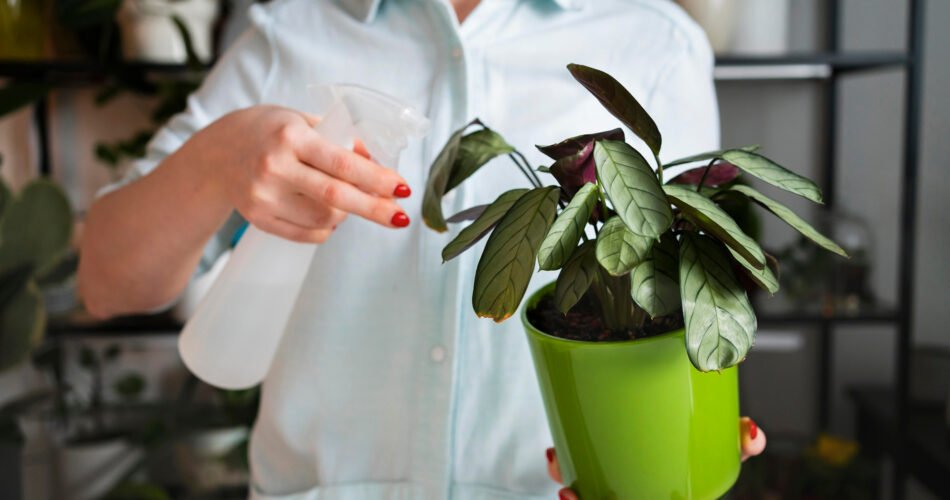
Keeping plants indoors can make a UAE home feel fresher and more inviting, but indoor conditions can sometimes be challenging. Air conditioning, dry air, strong sunlight, low-light rooms, and incorrect watering can all affect plant health. Knowing the most common indoor plant problems in UAE homes can help you spot warning signs early and fix them before your plants become seriously damaged.
1. Yellow Leaves
Yellow leaves are one of the most common problems plant owners notice. They can be caused by overwatering, poor drainage, underwatering, insufficient light, or simply natural leaf aging.
How to fix it: Check the soil before watering. If it remains wet for a long time, reduce watering and make sure the pot drains properly. If the soil is very dry, adjust your watering routine. Also check whether the plant is receiving the right amount of light.
2. Brown or Crispy Leaf Edges
Brown edges often appear when a plant is struggling with dry conditions, inconsistent watering, excessive sunlight, or other environmental stress. Indoor air can become particularly dry when AC is running for long periods.
How to fix it: Check soil moisture and move the plant away from harsh direct sunlight or strong AC airflow. Keep the plant in a more stable location and follow its specific watering requirements.
3. Drooping Leaves
Drooping does not always mean a plant needs water. Both underwatering and overwatering can cause leaves to droop. Root problems can also prevent a plant from taking up water properly.
How to fix it: Check the soil first. If it is dry, water the plant thoroughly if its care requirements call for it. If the soil is wet, allow it to dry appropriately and inspect the pot’s drainage.
4. Slow or Weak Growth
A plant that is barely growing may not be receiving enough light or nutrients. It could also be affected by unsuitable temperatures, poor roots, or a pot that does not suit its size.
How to fix it: Check the plant’s light requirements and move it to a more suitable location if needed. Make sure the roots have enough space and use suitable fertilizer only when appropriate for the plant.
5. Pests on Leaves
Small insects can sometimes appear on indoor plants. You may notice tiny bugs, sticky residue, damaged leaves, or unusual spots.
How to fix it: Separate the affected plant from other plants and inspect the leaves and stems carefully. Remove heavily damaged leaves where appropriate and use a treatment suitable for the pest and plant.
6. Mold or Fungus in the Soil
White or fuzzy growth on the soil surface can appear when the growing medium stays consistently damp and airflow is limited. It may be a sign that watering conditions need adjustment.
How to fix it: Allow the soil to dry appropriately between waterings, improve airflow, and remove affected surface material if necessary. Always check that the container has proper drainage.
7. Fading or Scorched Leaves
Strong sunlight can be a problem for plants that prefer indirect light. On the other hand, plants kept too far from a window may become pale or develop weak growth.
How to fix it: Find out what light level your plant needs. Move it away from harsh direct sunlight if the leaves are becoming scorched, or closer to a suitable light source if it is not receiving enough light.
8. Problems Caused by Air Conditioning
Constant exposure to cold AC airflow can stress some plants. Sudden changes in temperature can also affect sensitive varieties.
How to fix it: Keep plants away from direct AC vents and choose a stable location. Check the soil regularly because indoor conditions can change how quickly it dries.
How to Prevent Indoor Plant Problems
Prevention starts with choosing plants that match your home’s conditions. Consider light, room temperature, available space, watering habits, and how much time you can spend on plant care.
Avoid treating every plant the same. Different species have different needs, so check the soil and observe the leaves before making changes. With consistent care and the right environment, many common plant problems can be prevented or corrected early.
Short Summary
Common indoor plant problems in UAE homes include yellow leaves, brown edges, drooping, slow growth, pests, mold, leaf scorching, and AC-related stress. Checking soil moisture, improving drainage, providing suitable light, and choosing the right location can help keep indoor plants healthy.
FAQs
1. Why are my indoor plant leaves turning yellow in the UAE?
Yellow leaves can be caused by overwatering, underwatering, poor drainage, insufficient light, or natural aging. Check the soil and growing conditions first.
2. Why do indoor plants get brown leaf tips?
Brown tips may result from dry conditions, inconsistent watering, strong sunlight, or environmental stress. AC can also contribute to dry indoor conditions.
3. How can I stop my indoor plant from drooping?
Check the soil before watering. Both overly dry and consistently wet soil can cause drooping, so identify the cause before adding more water.
4. Can air conditioning damage indoor plants?
Direct AC airflow can stress some plants. Keep plants away from vents and avoid exposing them to sudden temperature changes.
5. How often should I water indoor plants in UAE homes?
There is no universal schedule. Water based on the plant’s needs, soil moisture, pot size, light, and indoor conditions rather than a fixed routine.